WMATA - WFC BLOCK F
PROJECT DETAILS
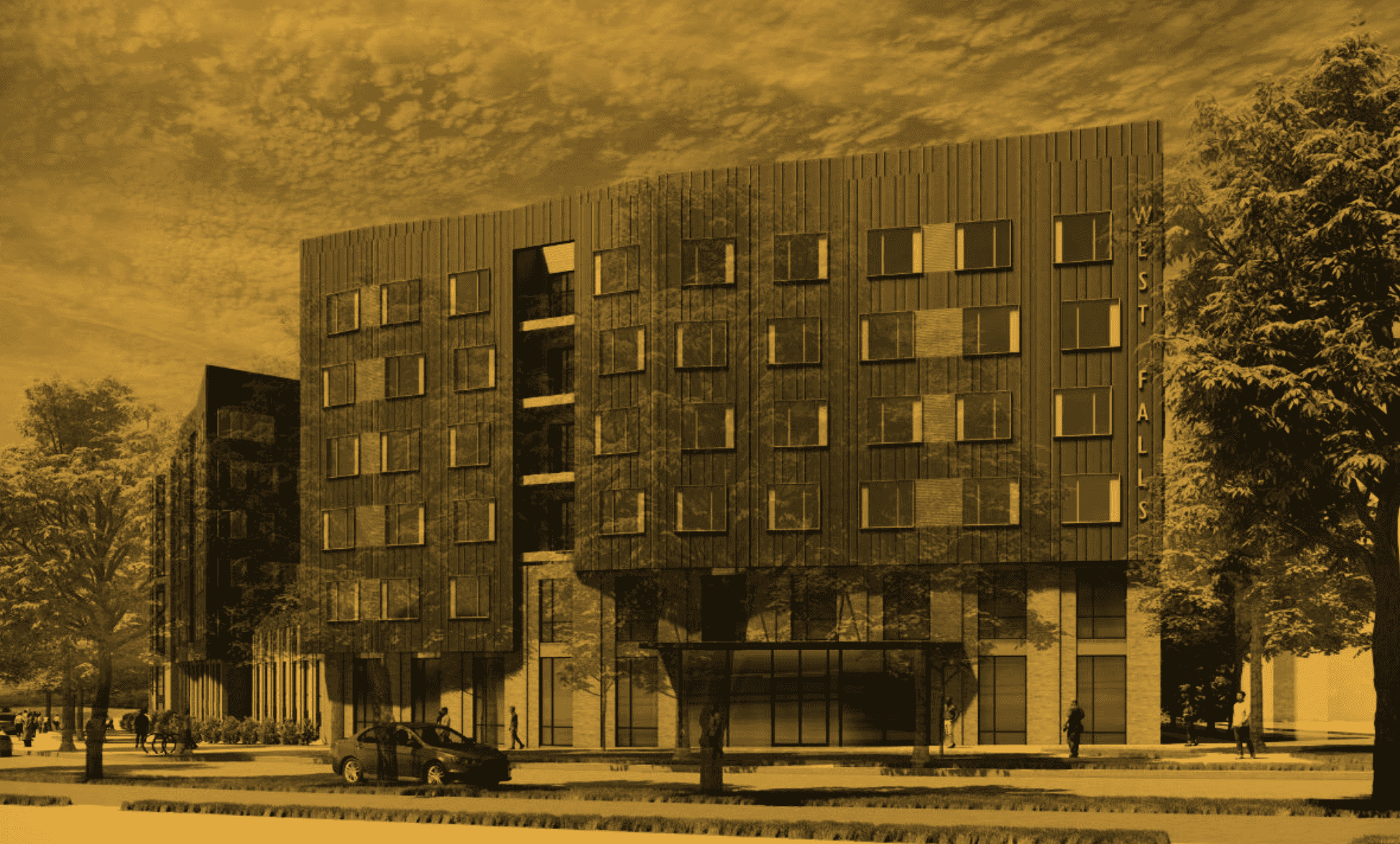
This project is an addition to the WMATA Metro Station master plan in Fairfax County, Virginia, featuring a five-story Type IIIA residential building over a two-story Type IA podium with 263 units.
I focused on early schematic design coordination across MEP, structural, and landscape systems, strengthening my understanding of building code and structural constraints while helping resolve conflicts before they advanced into later design phases.
AREA | 349,000 ft2 |
CLIENT | Rushmark Properties |
STATUS | Design Development |
TOOLS | Revit | Bluebeam | Newforma |
ARCHITECT | SK+I Architecture |
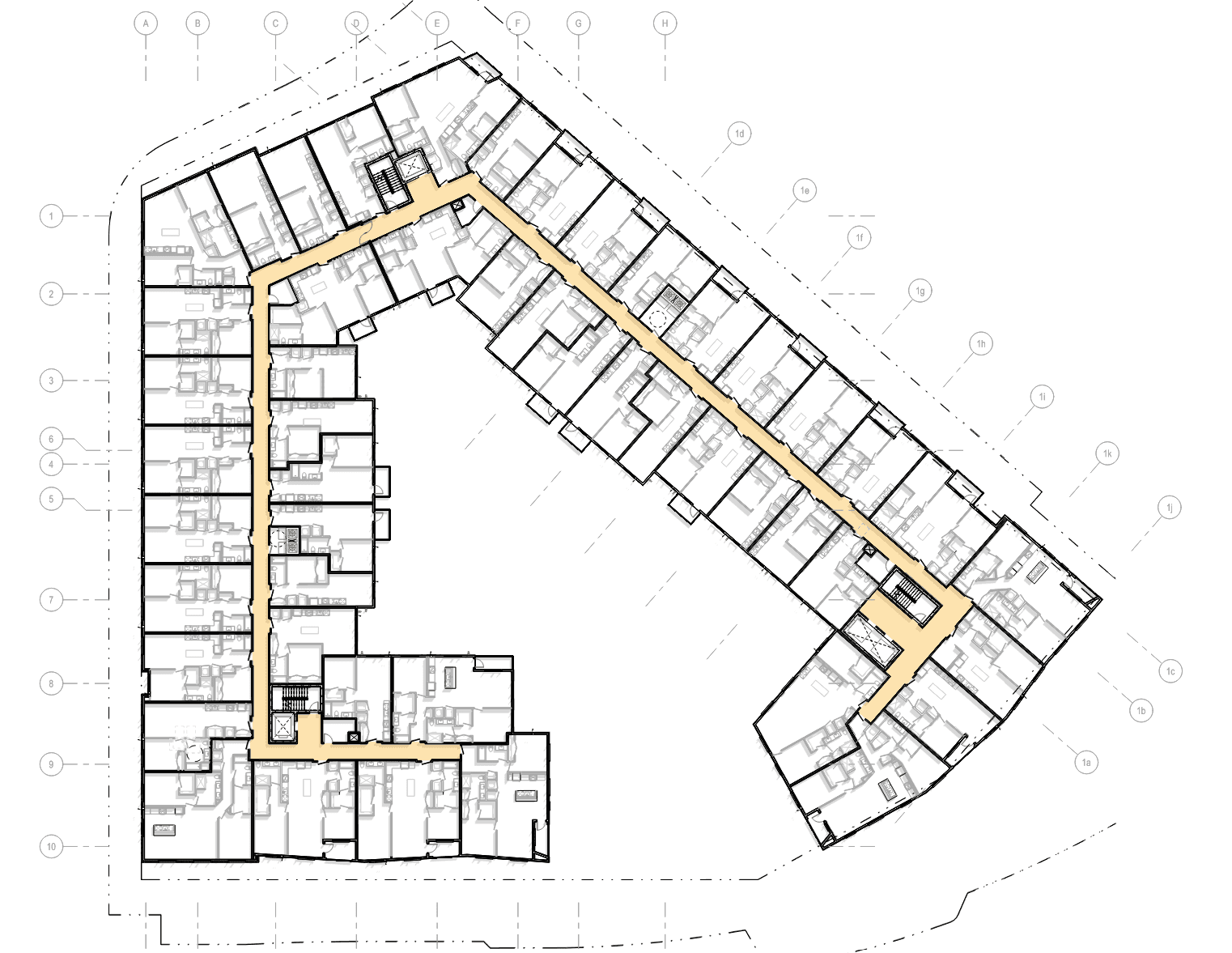
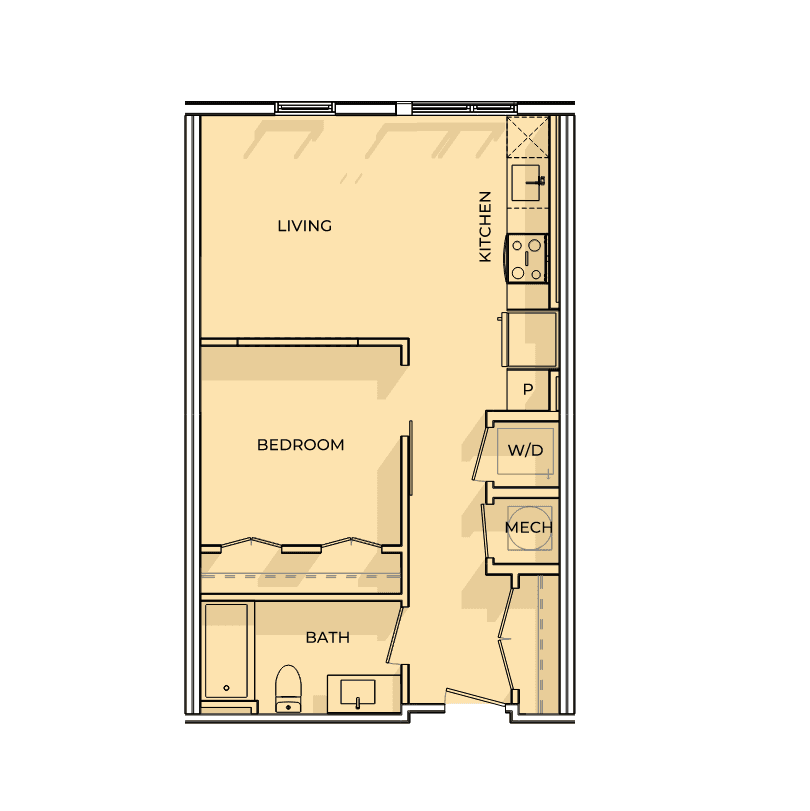
JR 1 BED | 1 BATH
560 SF
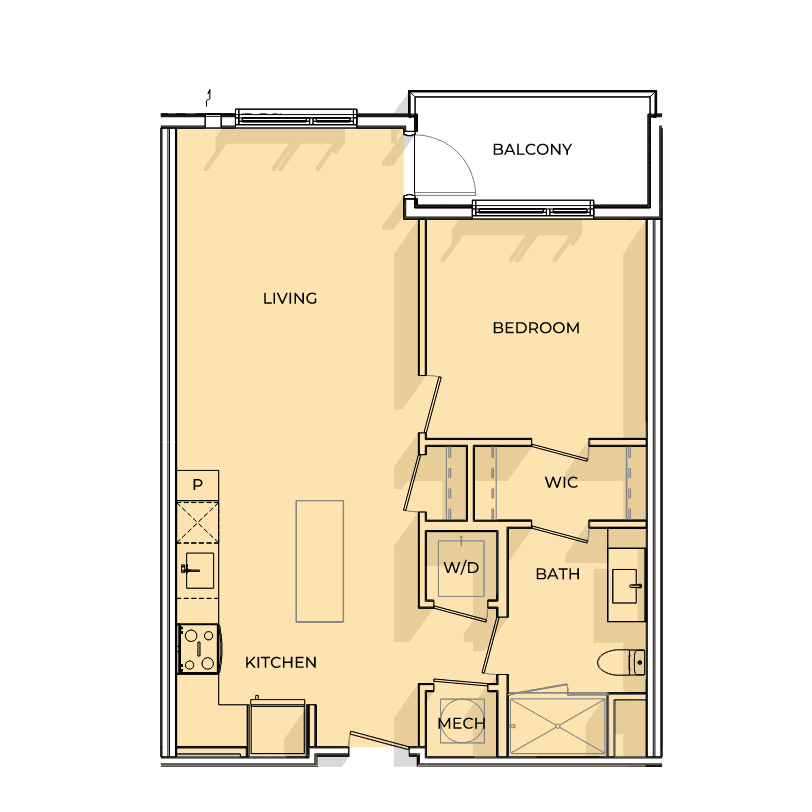
1 BED | 1 BATH
715 SF
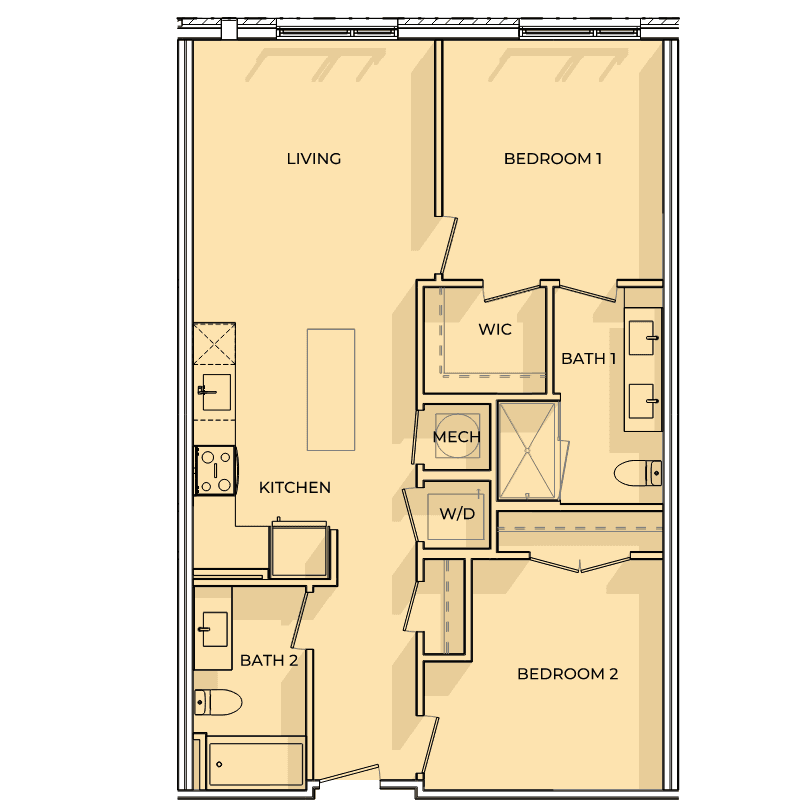
JR 2 BED | 2 BATH
900 SF
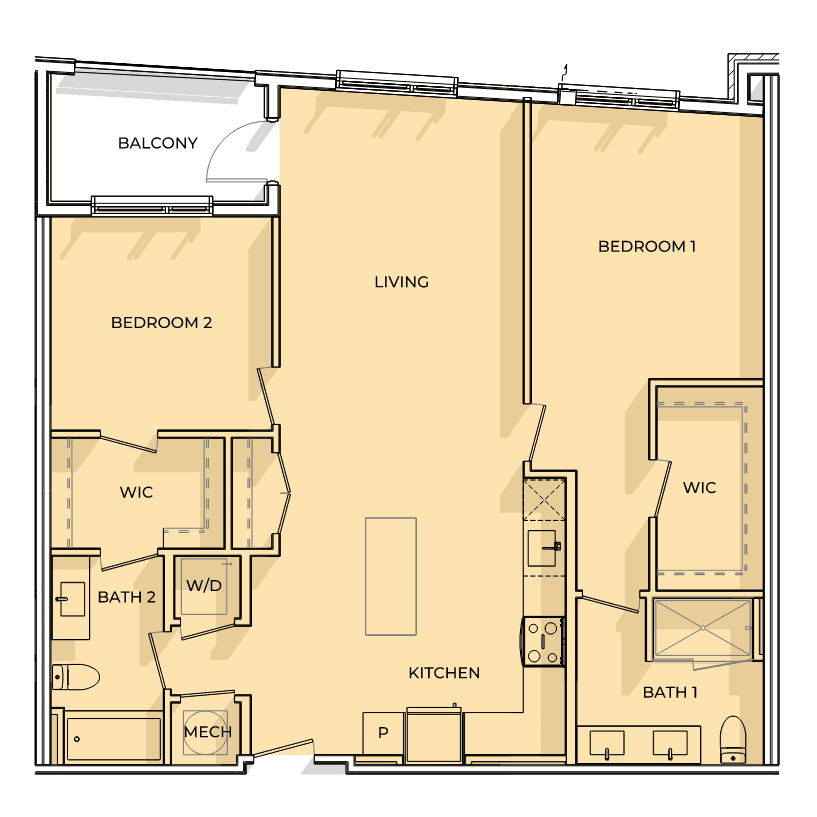
2 BED | 2 BATH
1150 SF
STUDIES & EXERCISES
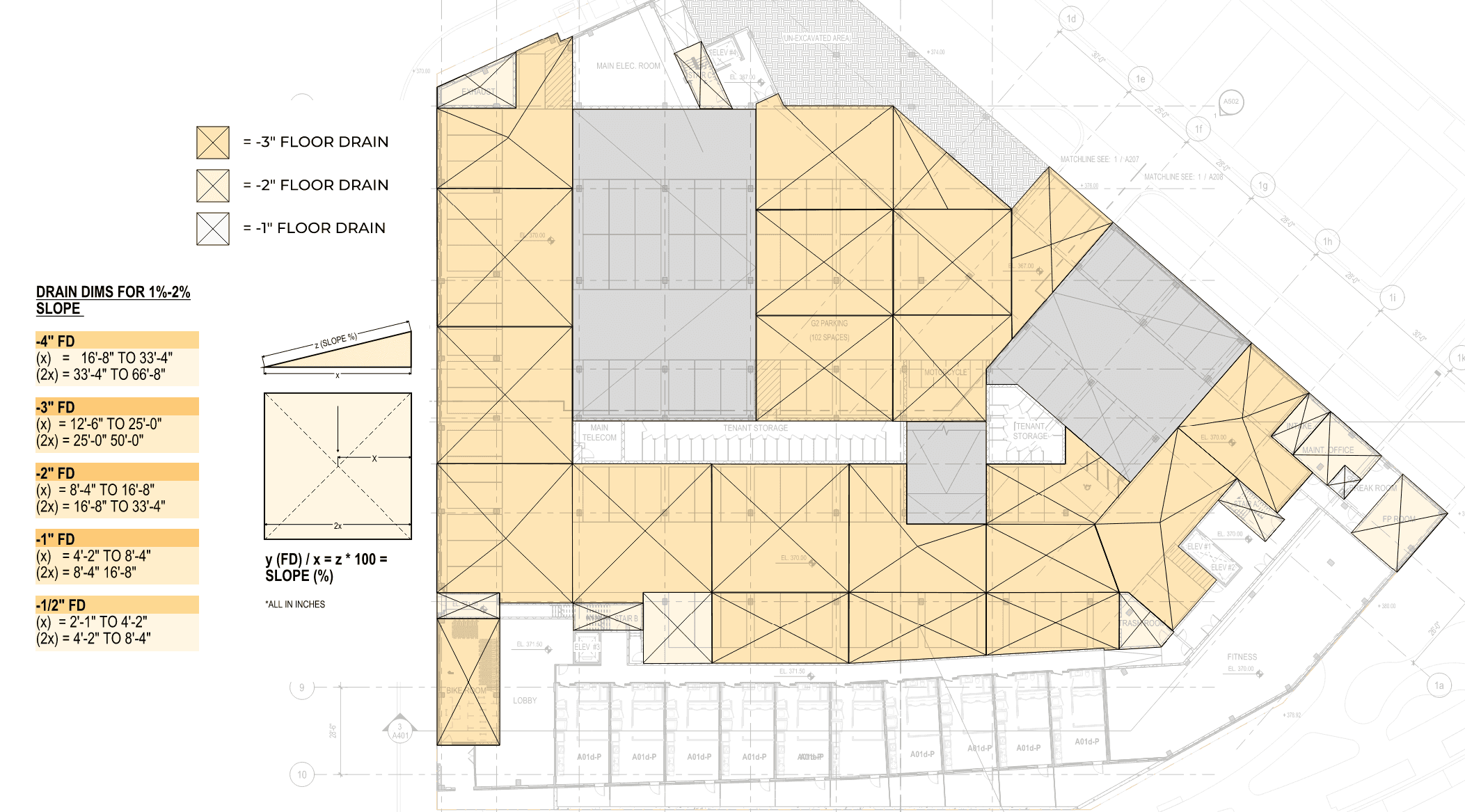
DRAIN LAYOUT STUDY
I conducted drain layout studies to identify the most efficient and organized routing strategies while accommodating the required 1–2% slope to drain. These studies balanced spatial constraints with constructability to maintain clear, coordinated plumbing systems.
STORM WATER HEIGHT STUDY
I evaluated stormwater head heights along the longest pipe runs within the garage levels to verify that required clearances were maintained. This analysis helped identify and resolve potential conflicts early while ensuring code and performance requirements were met.
STRUCTURAL COORDINATION
I worked closely with structural consultants to review recommended design changes and implement them within the architectural model. I also coordinated proposed adjustments from our team to preserve design intent while maintaining structural integrity.
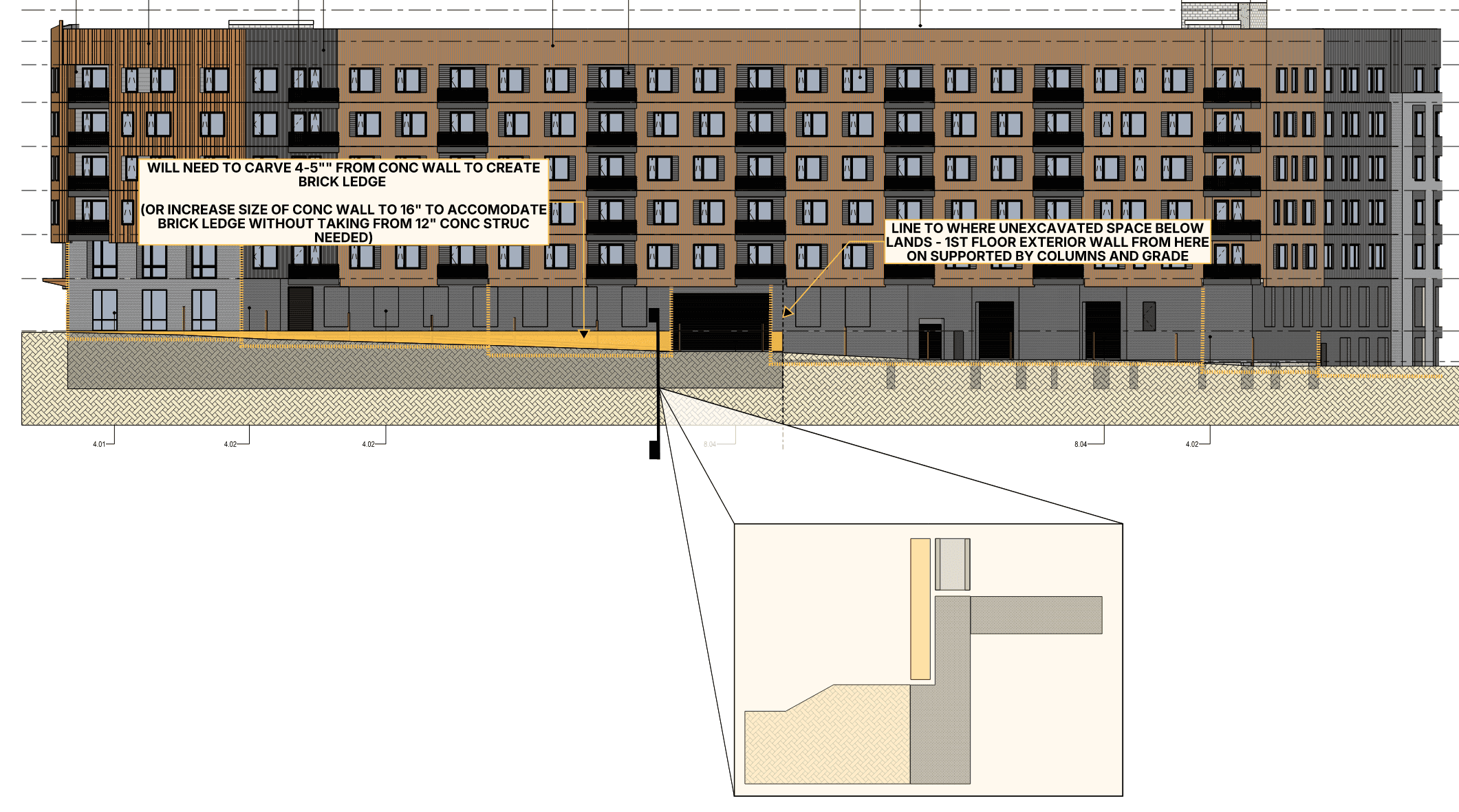
EXTERIOR WALL SLOPE STUDY
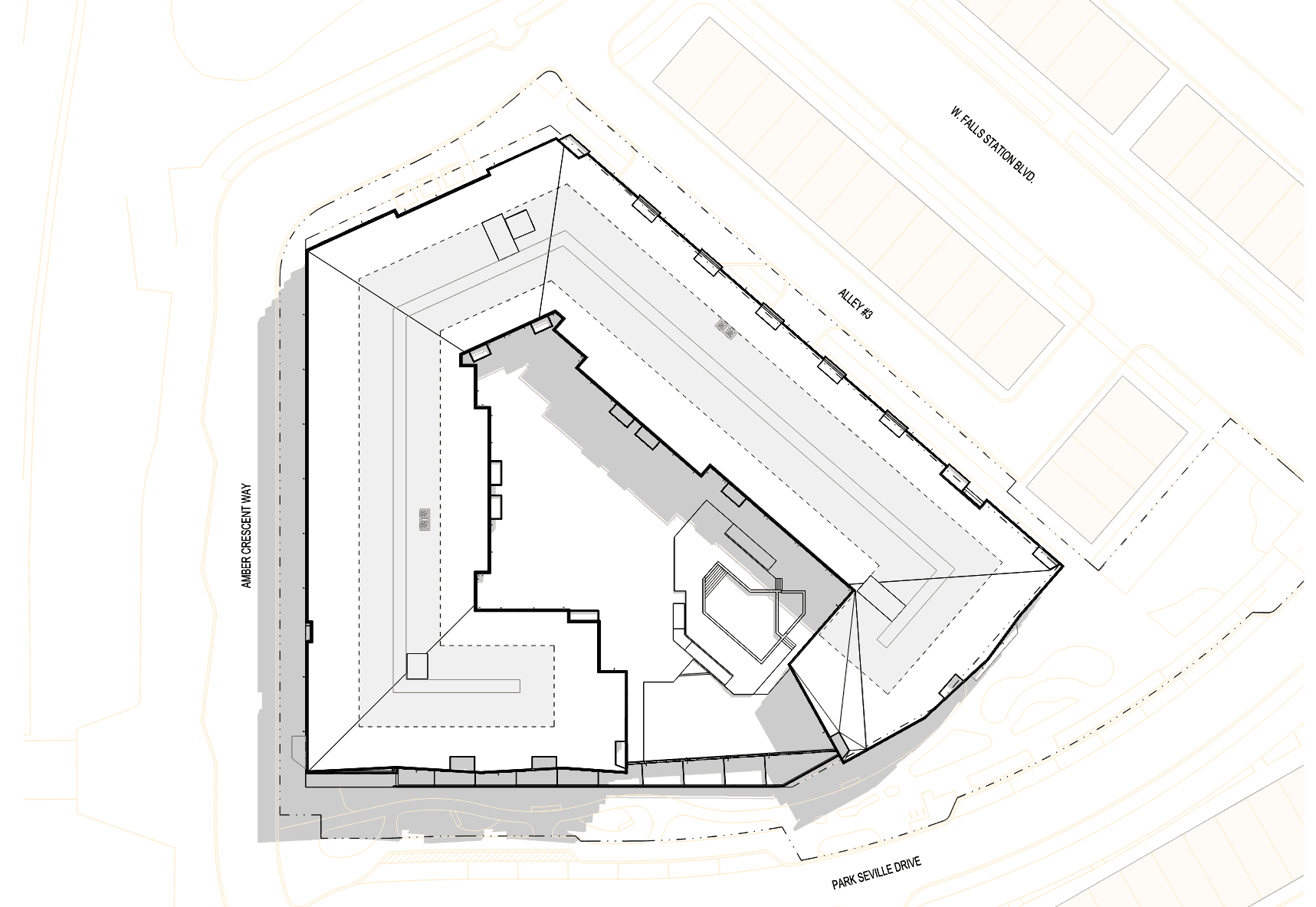
Due to site slope conditions, I studied optimal locations for stepping down exterior concrete walls and coordinated with structural and architectural teams to maintain consistent brick façade detailing across elevation changes.
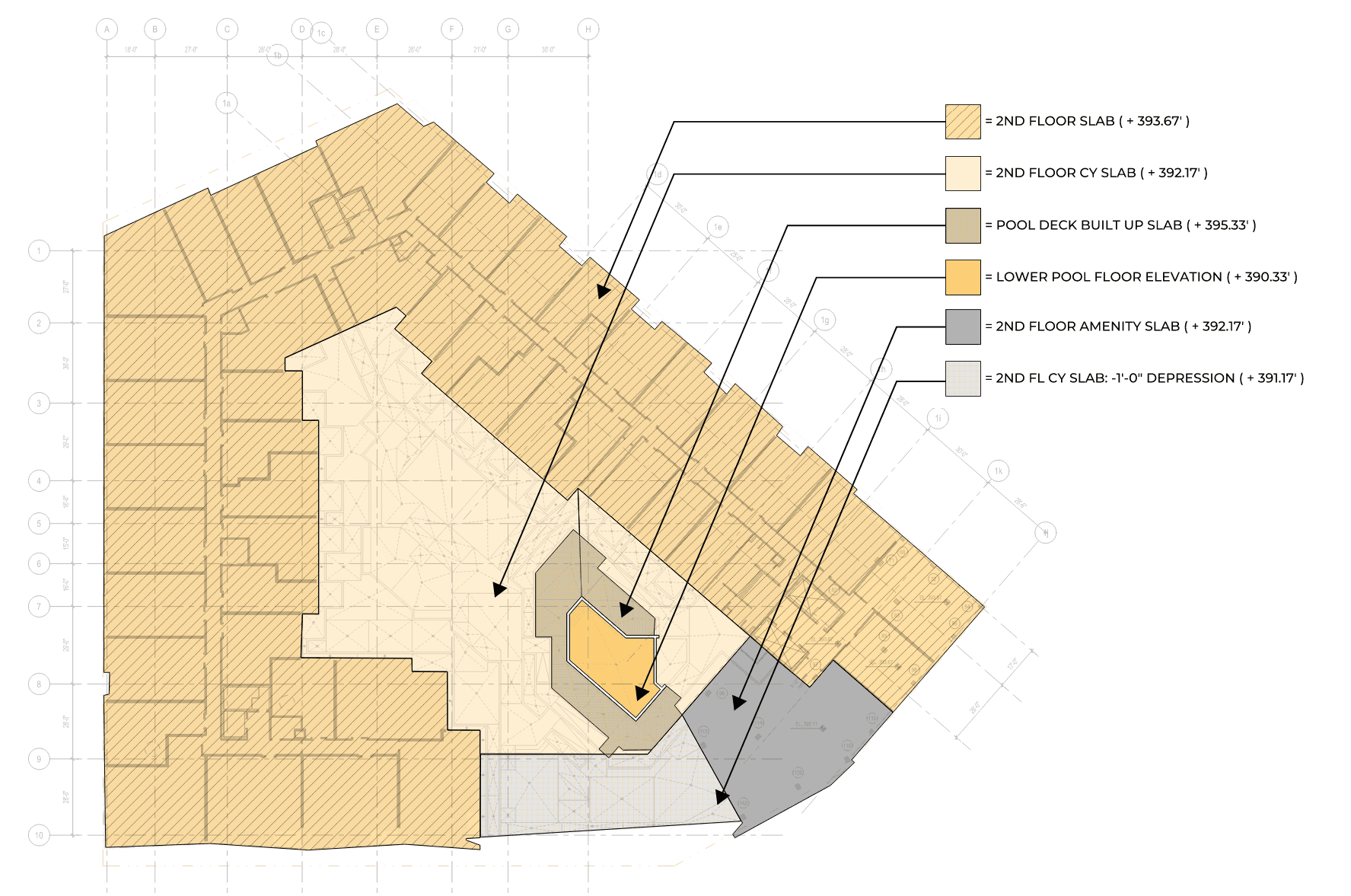
COURTYARD SLABS
In coordination with structural and landscape consultants, I identified and modified slab boundaries at multiple elevations to accommodate a partially raised pool deck, a lowered pool slab, and additional elevation changes across residential, amenity, and courtyard spaces.
ROOF SLOPE-TO-SCUPPER LAYOUT
I collaborated with the design team to evaluate roof slope strategies and determine an effective stormwater approach. The final solution sloped all roof areas toward the courtyard, utilizing scuppers to route water into centralized courtyard drainage.
LOAD BEARING WALL ALIGNMENT
I conducted a study to identify stacked residential units with misaligned load-bearing walls, a condition most commonly found in Type A units. I modified unit layouts to ensure continuous vertical alignment and improve structural efficiency.
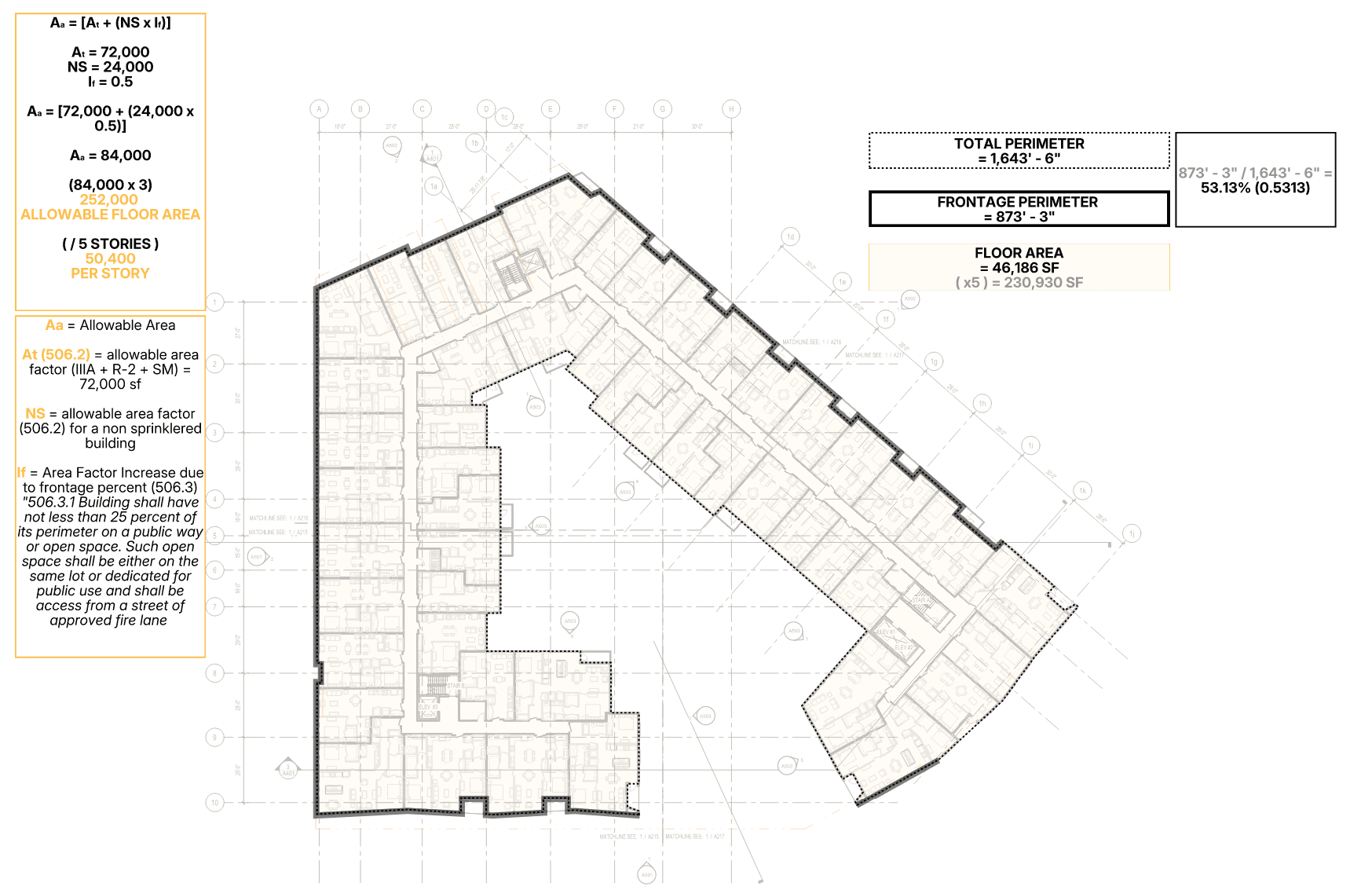
FRONTAGE CALCULATIONS
Working alongside the project principal, I performed frontage calculations to increase the project’s allowable building area. This study directly supported zoning compliance and maximized the site’s development potential.
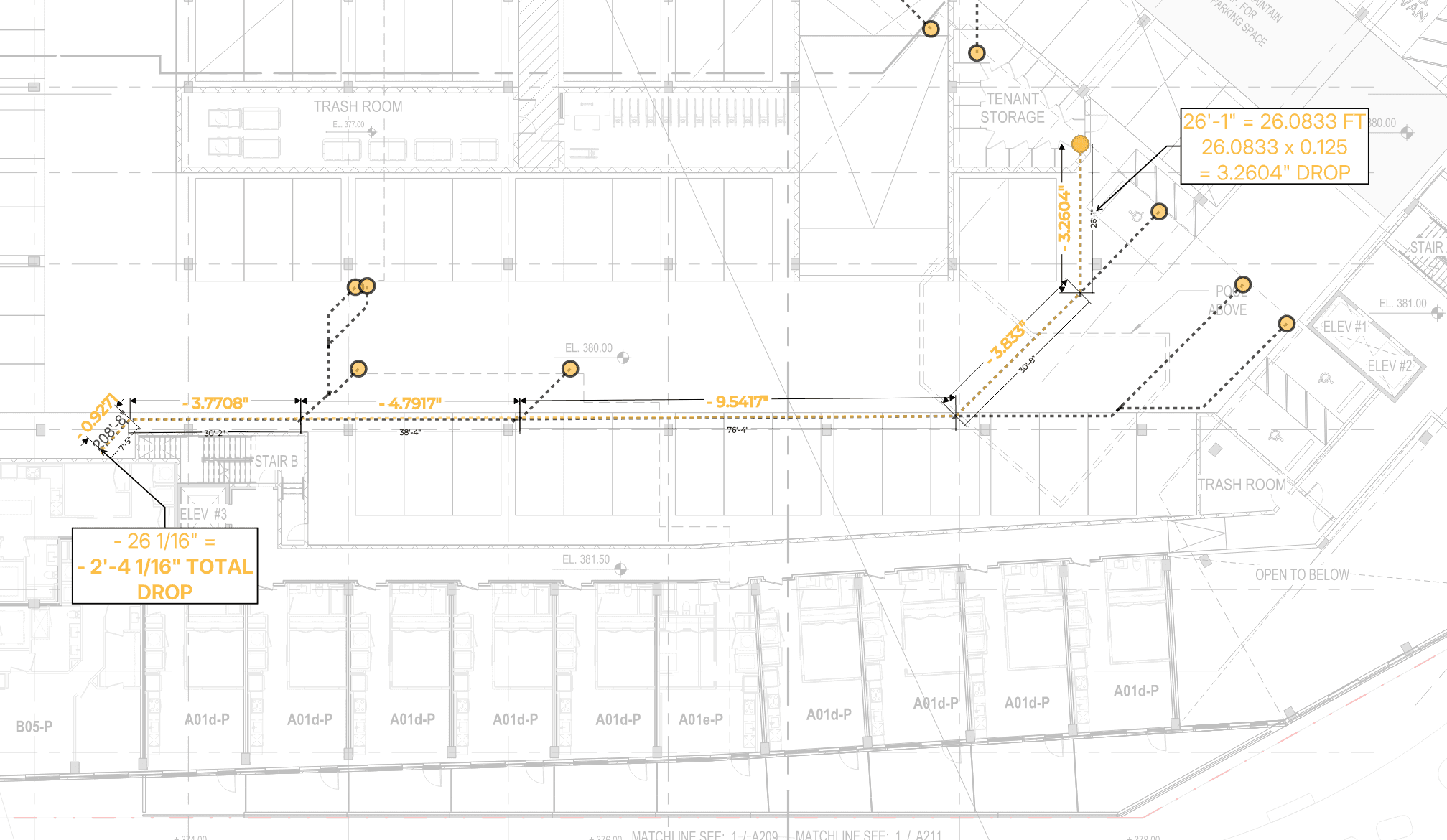
HEAD HEIGHT CALCULATIONS FOR STORMWATER PIPES IN GARAGE
Reviewed stormwater pipe head heights across long garage runs to ensure required clearances were maintained and conflicts were avoided.
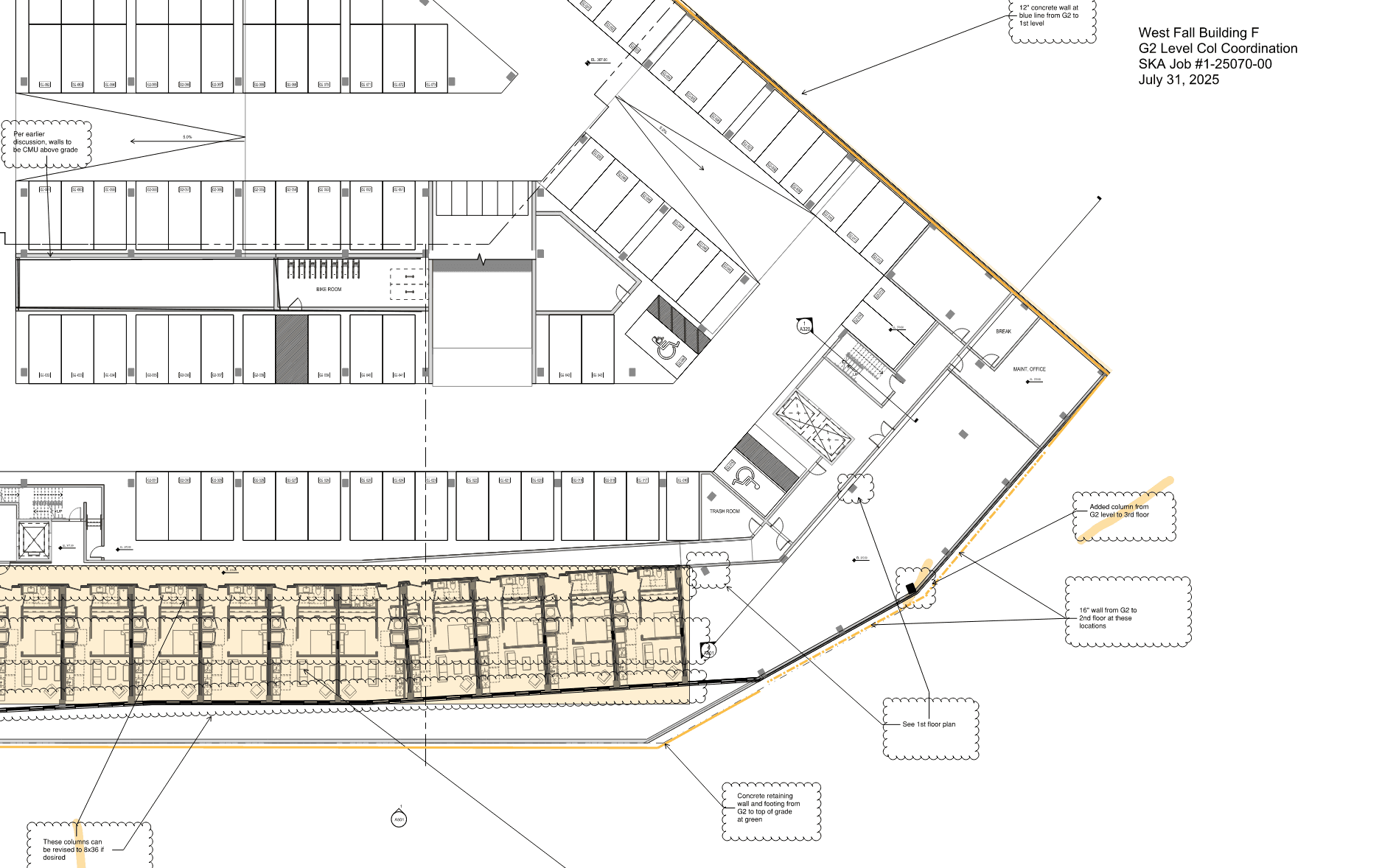
STRUCTURAL COORDINATION
Coordinated closely with structural consultants to implement recommended design changes while preserving architectural intent.
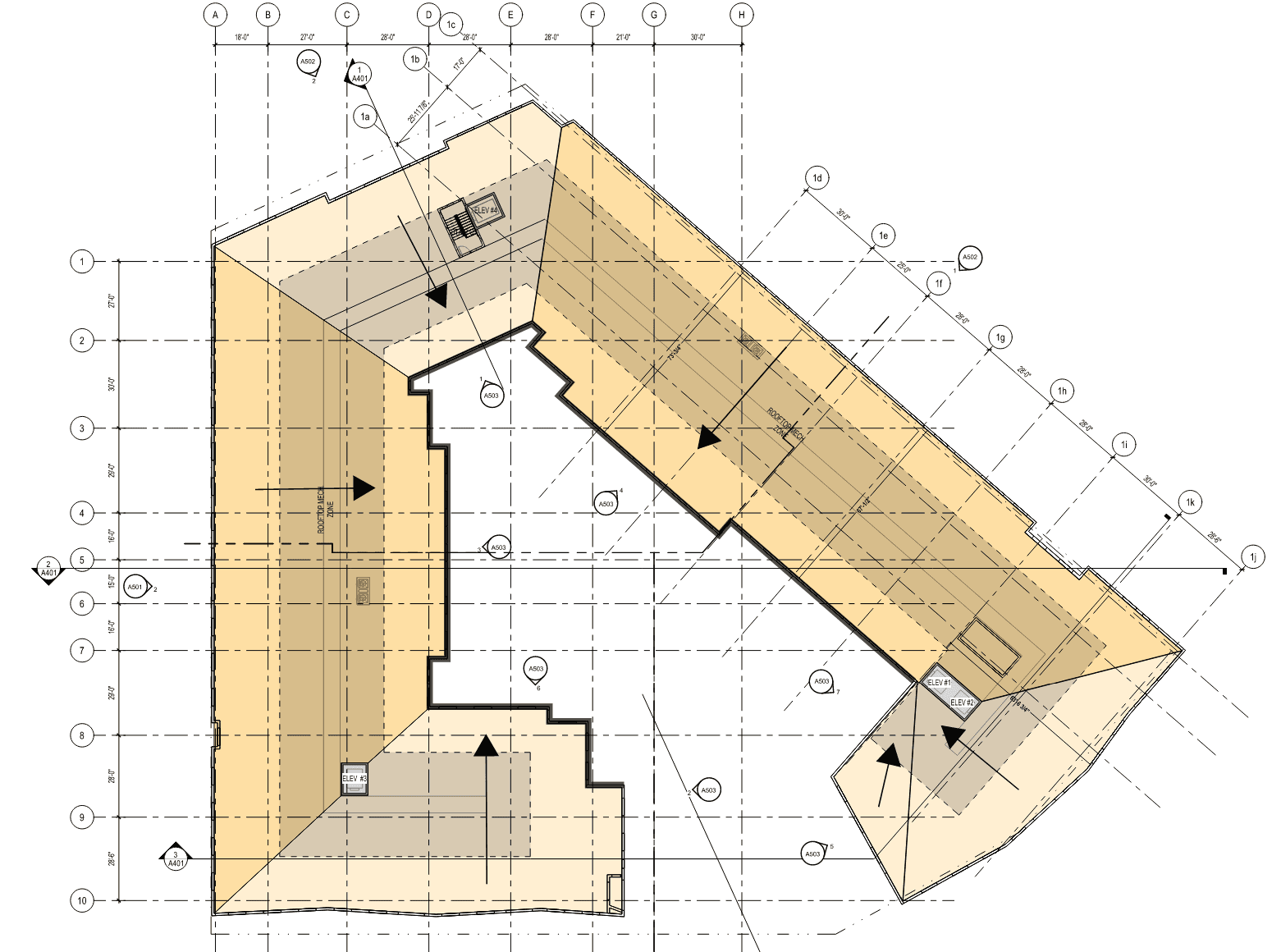
ROOF SLOPE DIRECTION STUDY
Developed a coordinated roof slope strategy directing stormwater toward the courtyard using scuppers and centralized drainage.
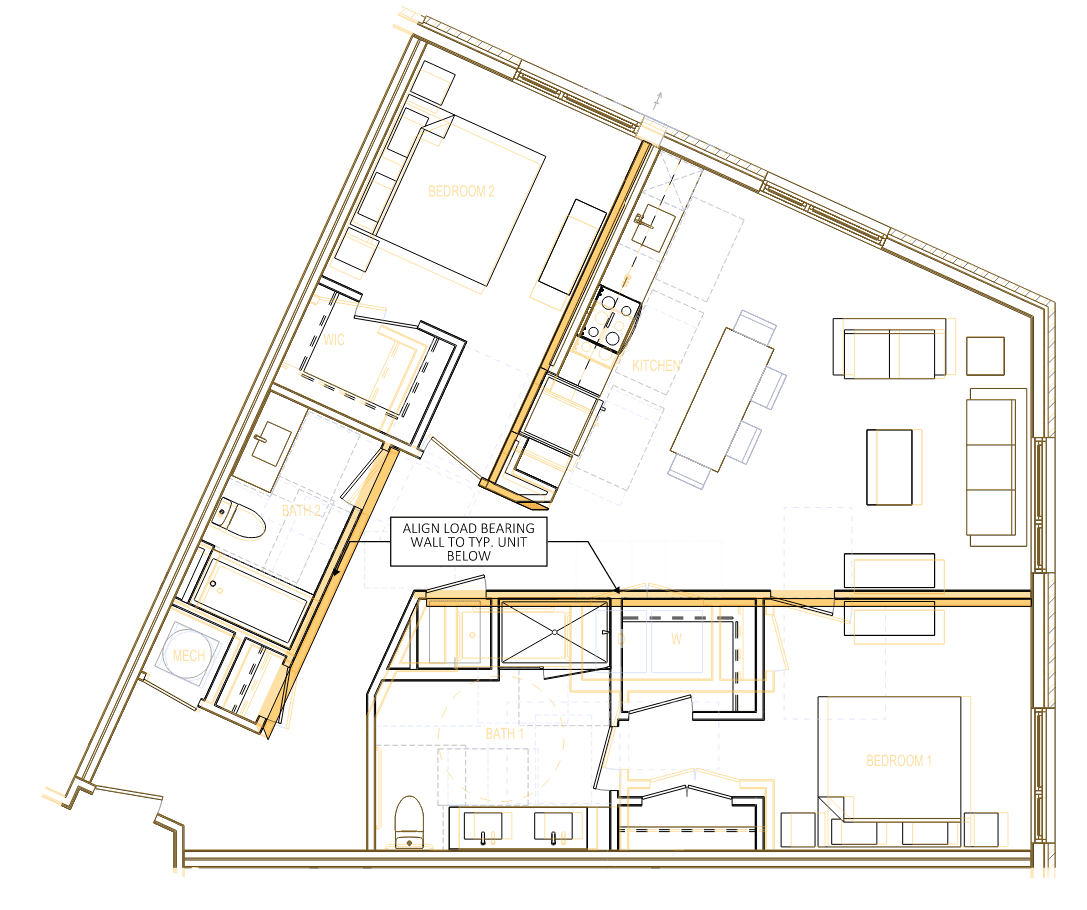
LOAD BEARING WALL ALIGNMENT AT TYPE-A UNITS
Identified and corrected misaligned load-bearing walls in stacked residential units to ensure continuous vertical alignment.