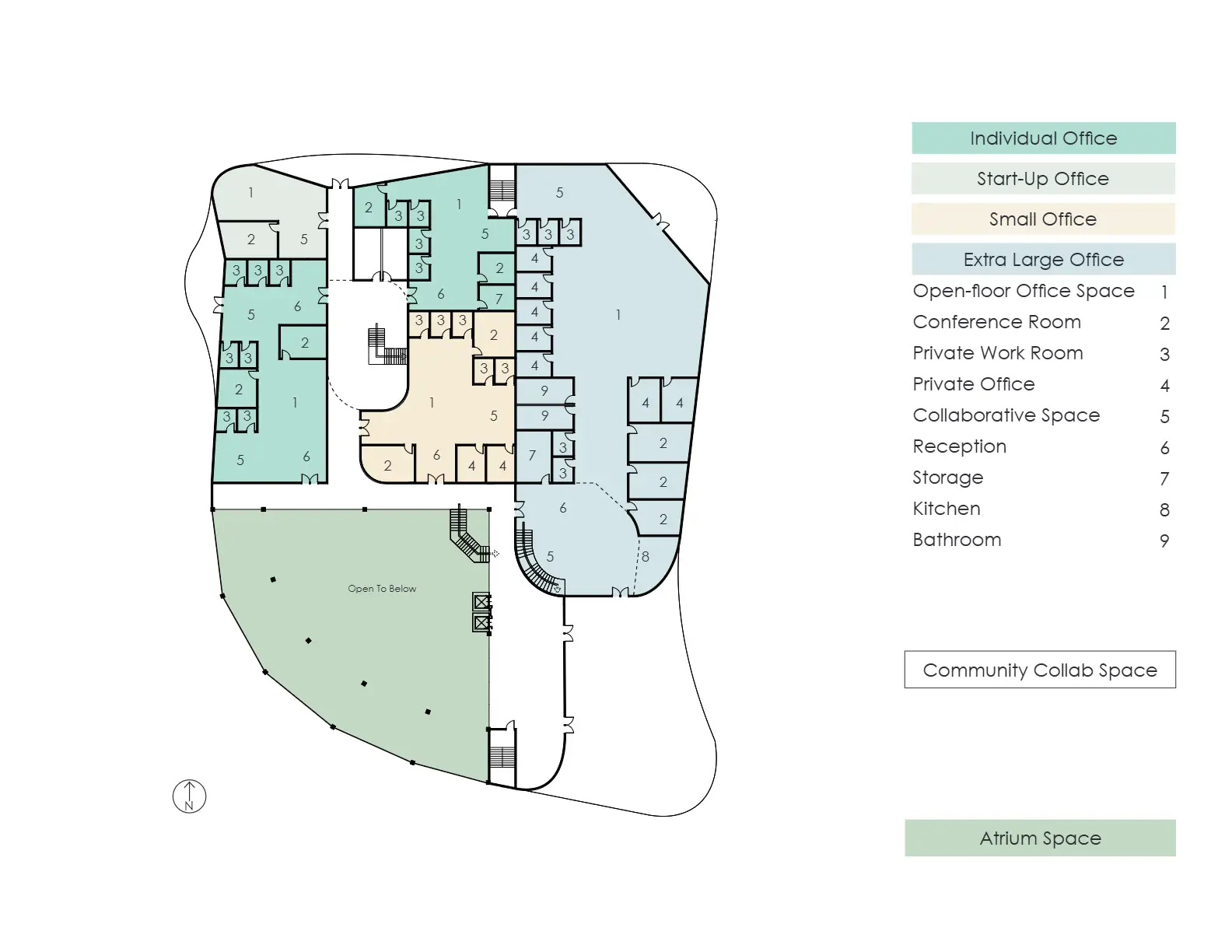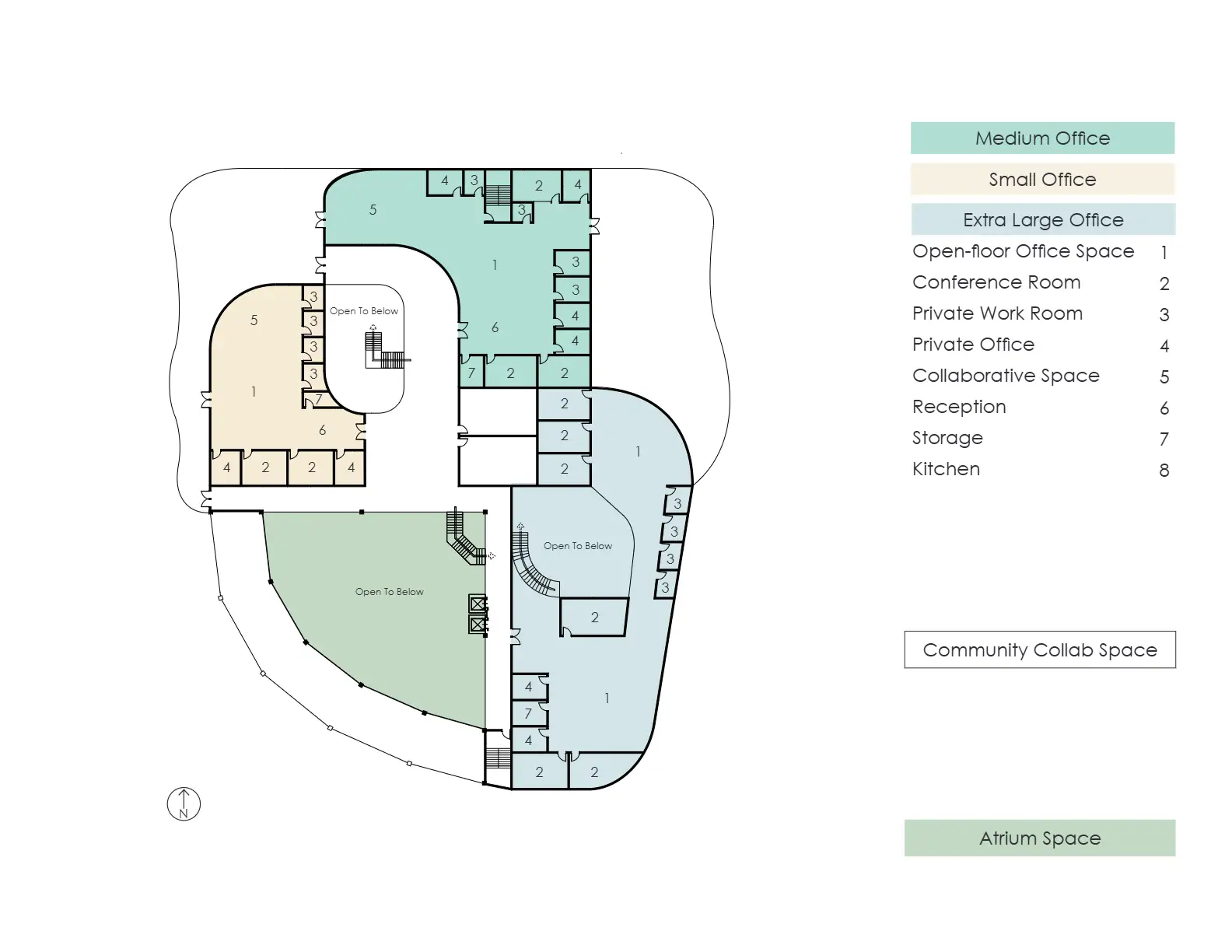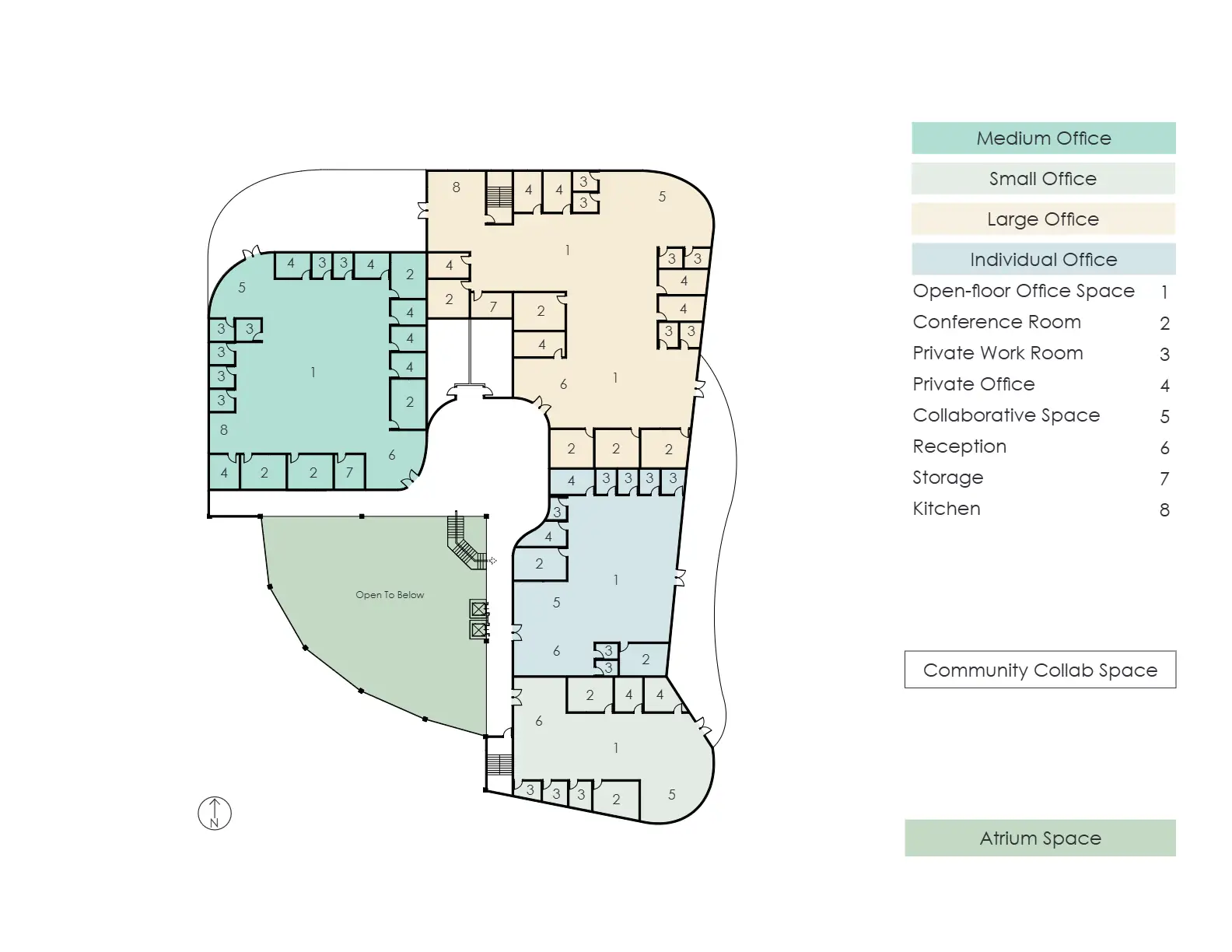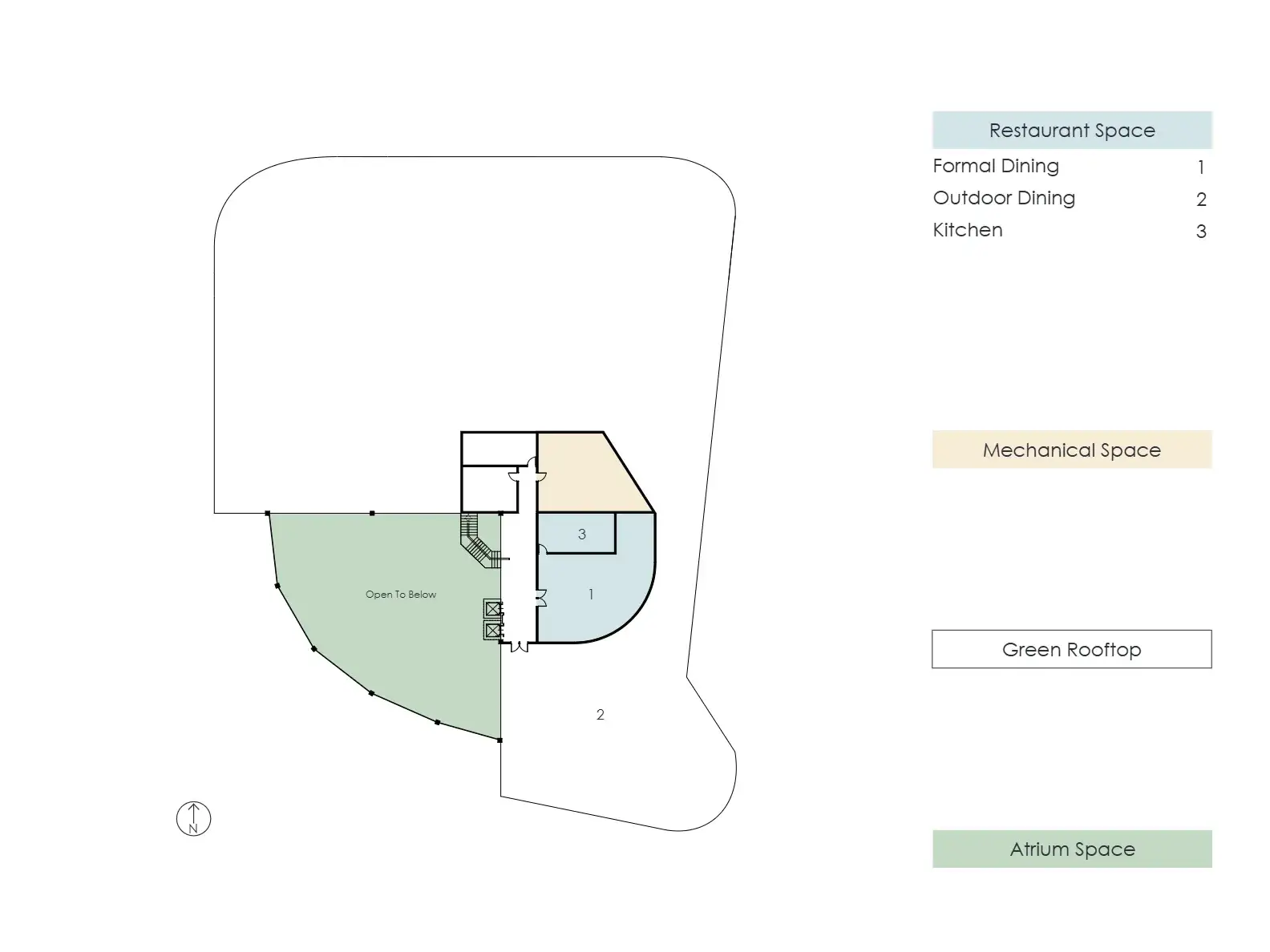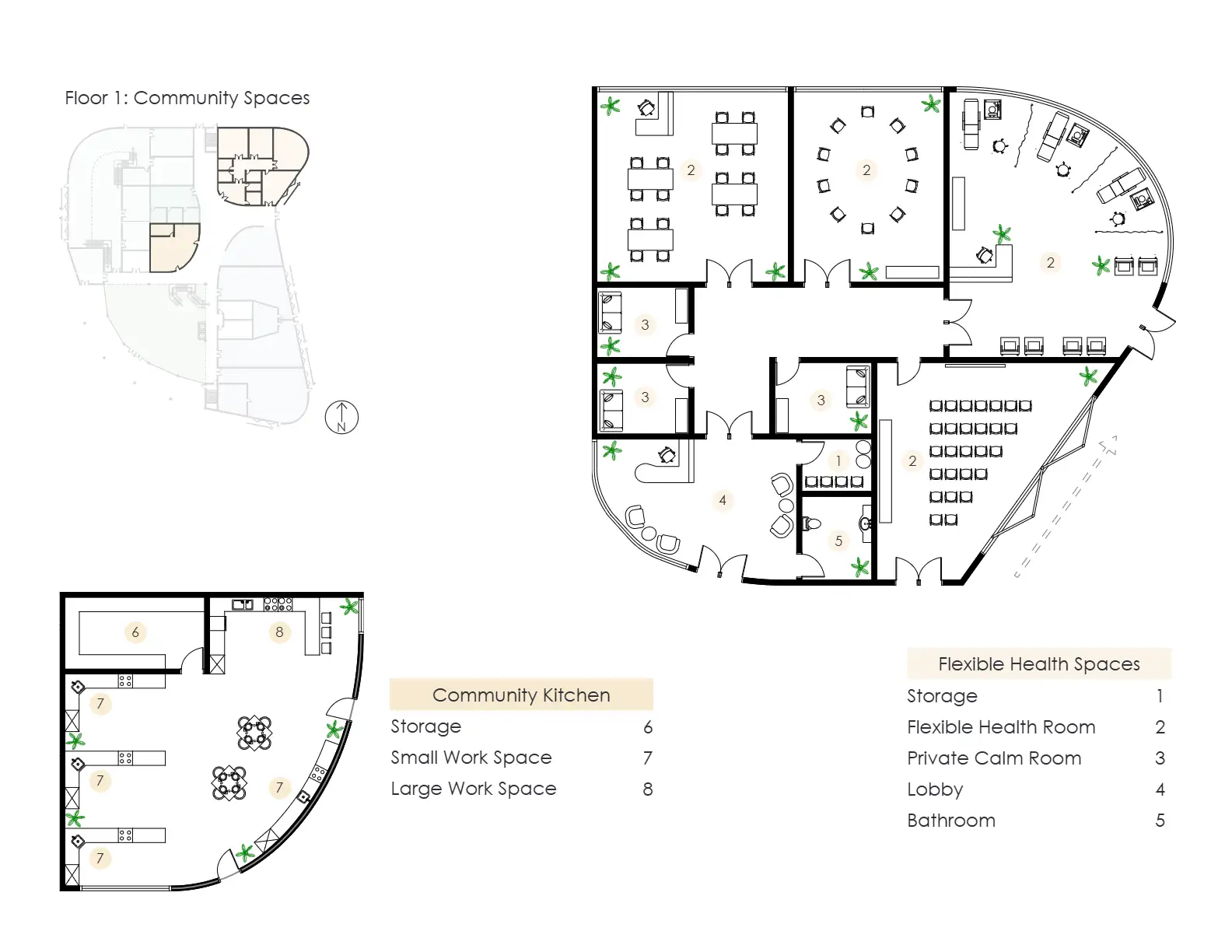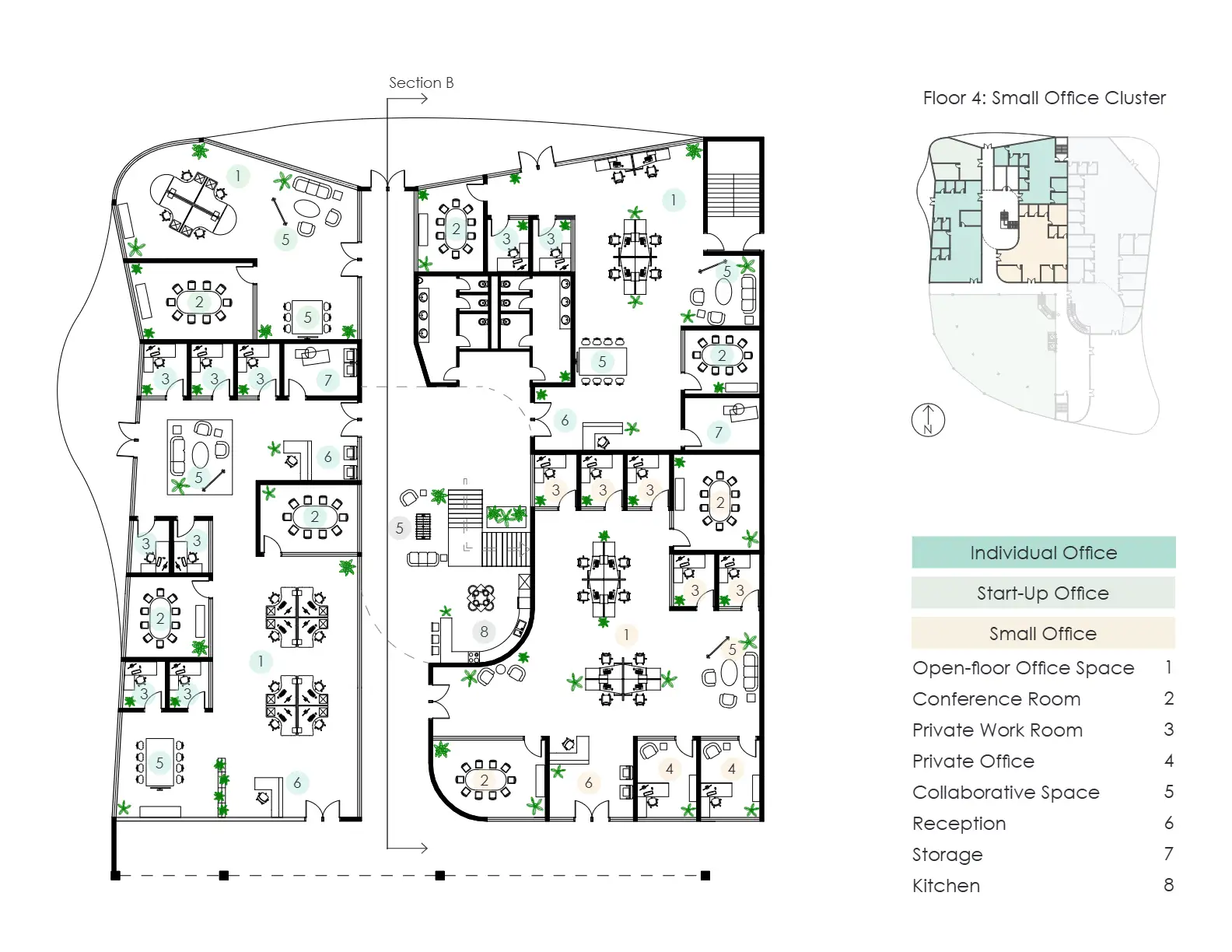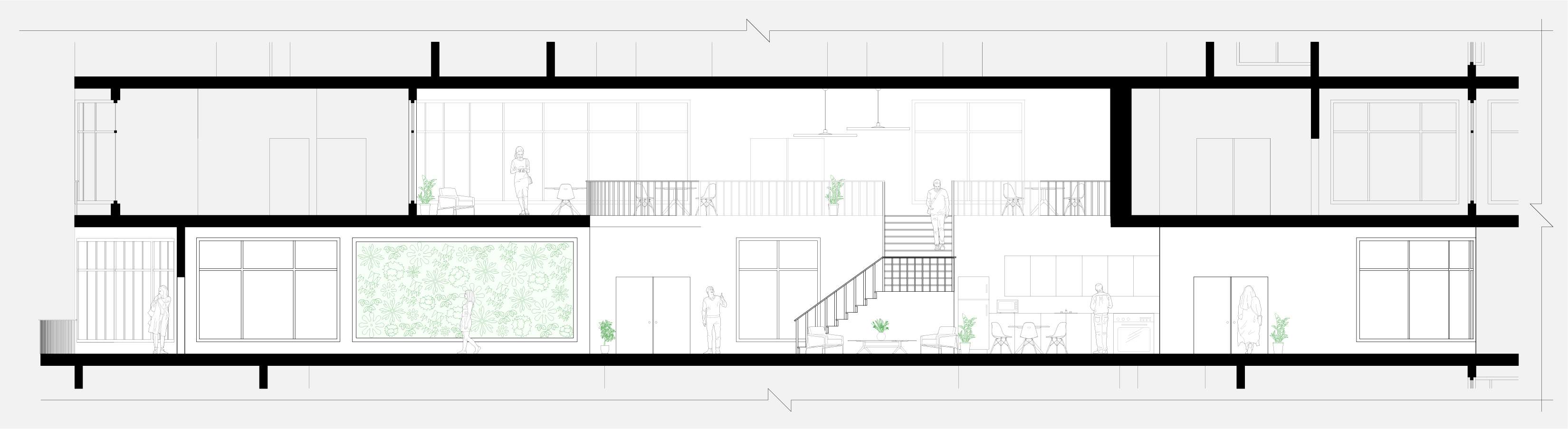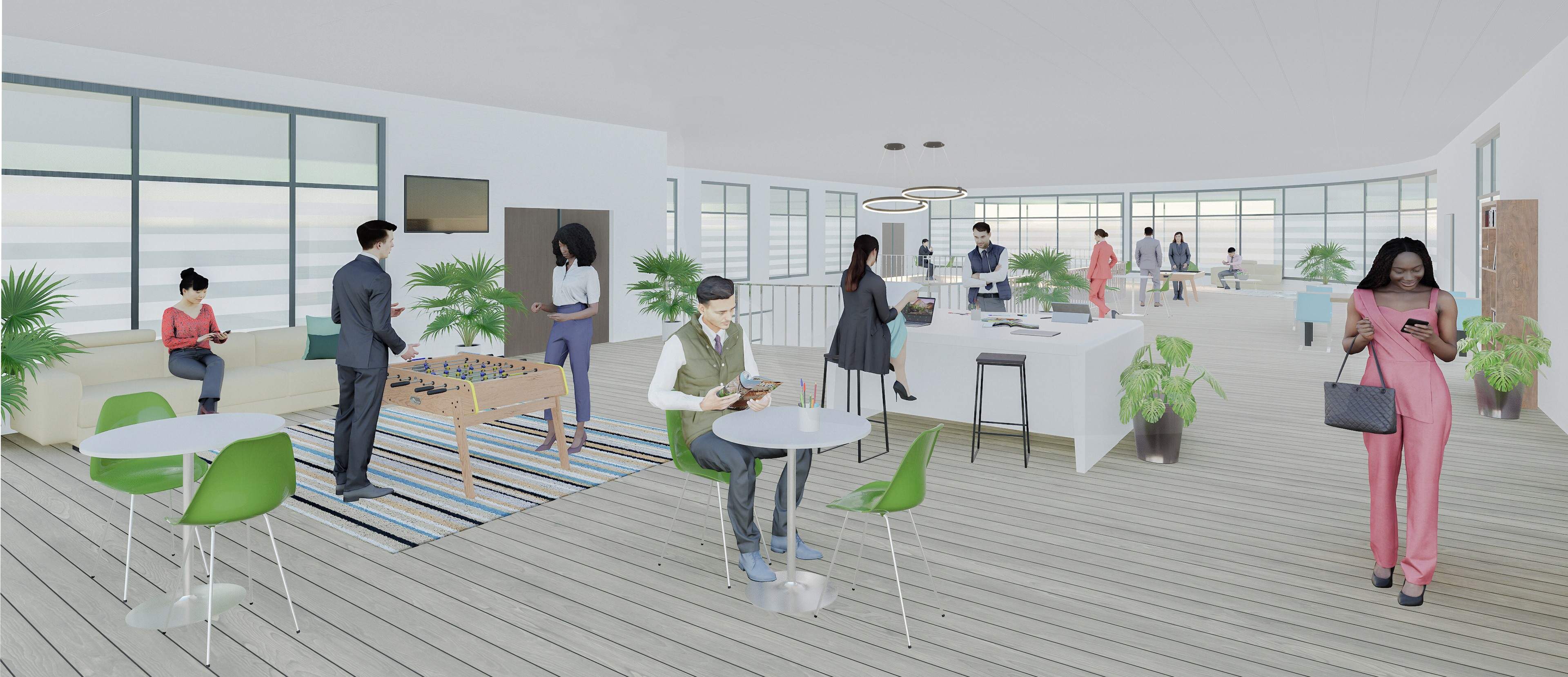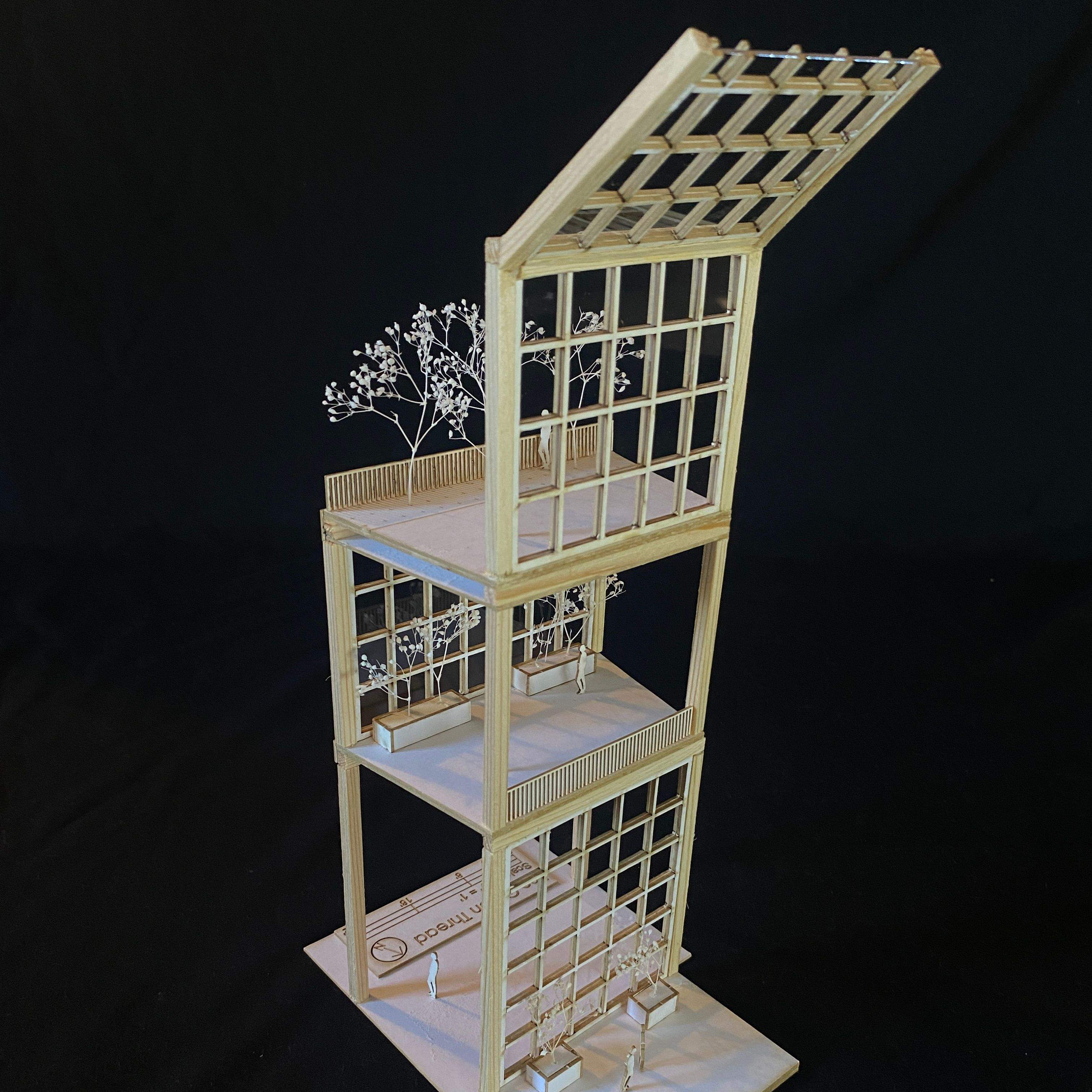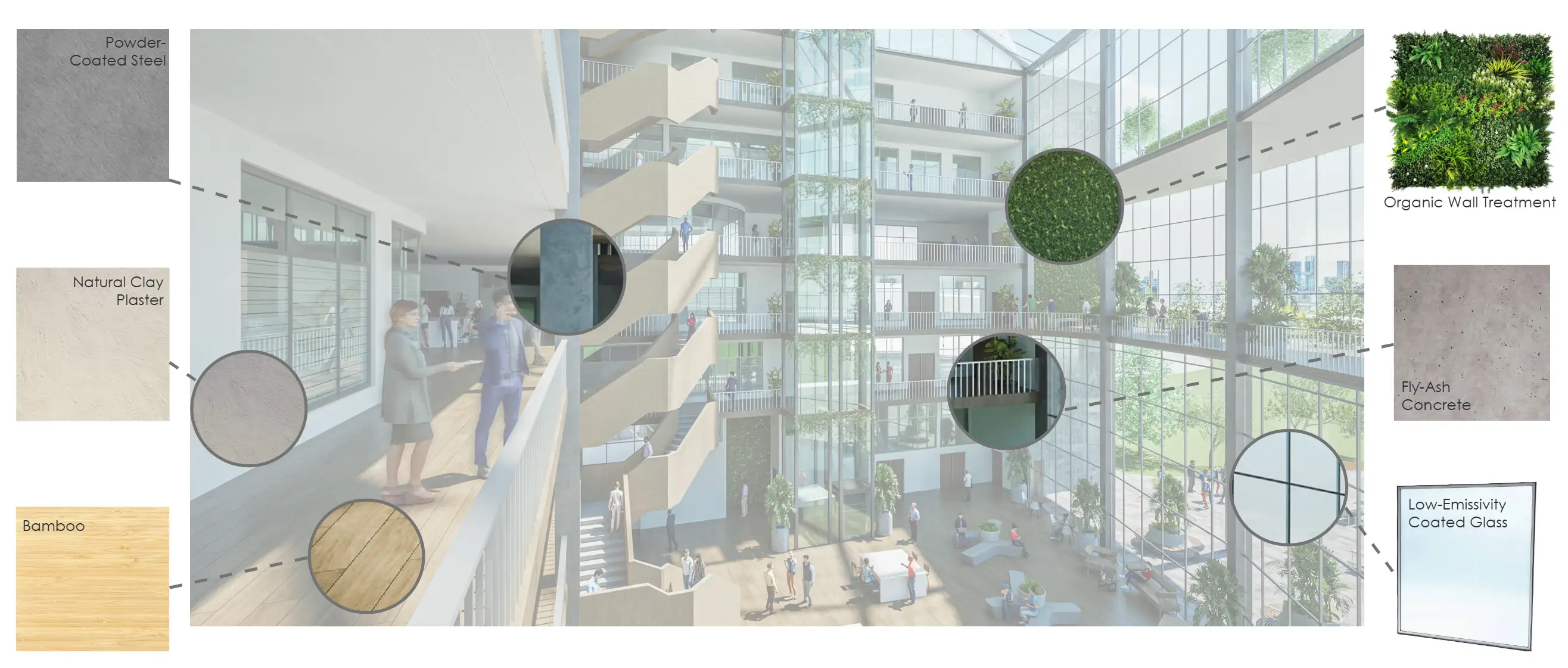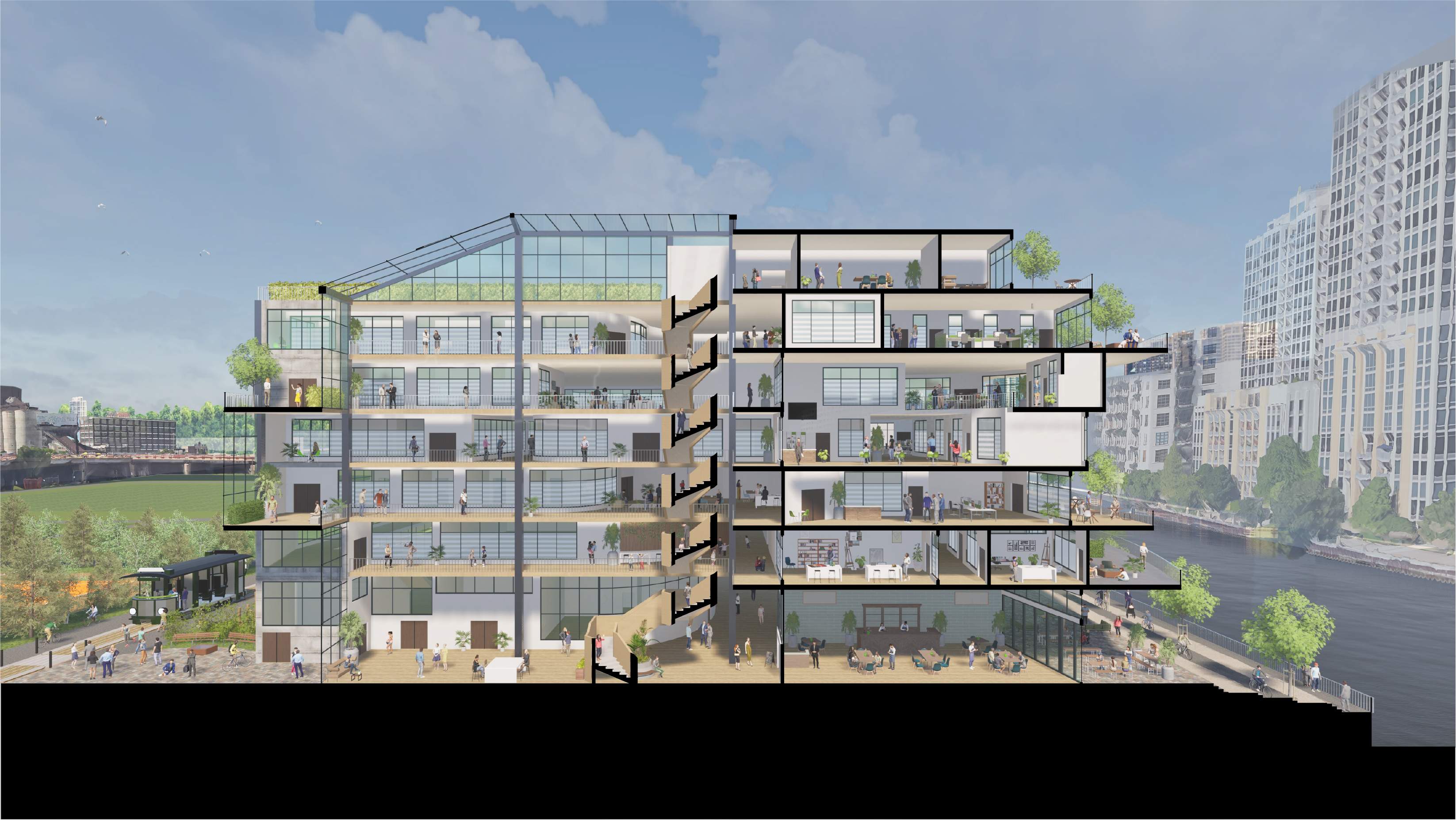
Project Introduction
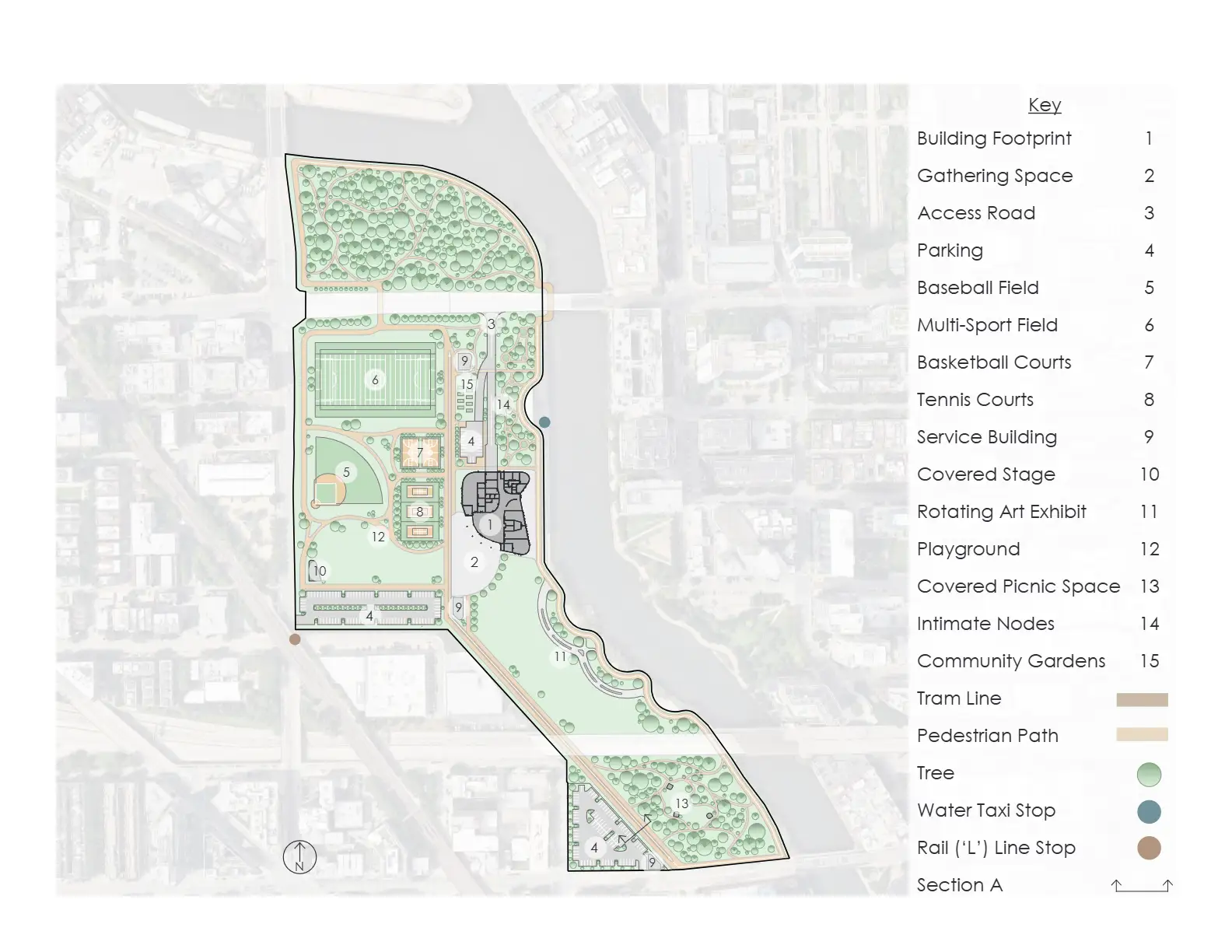
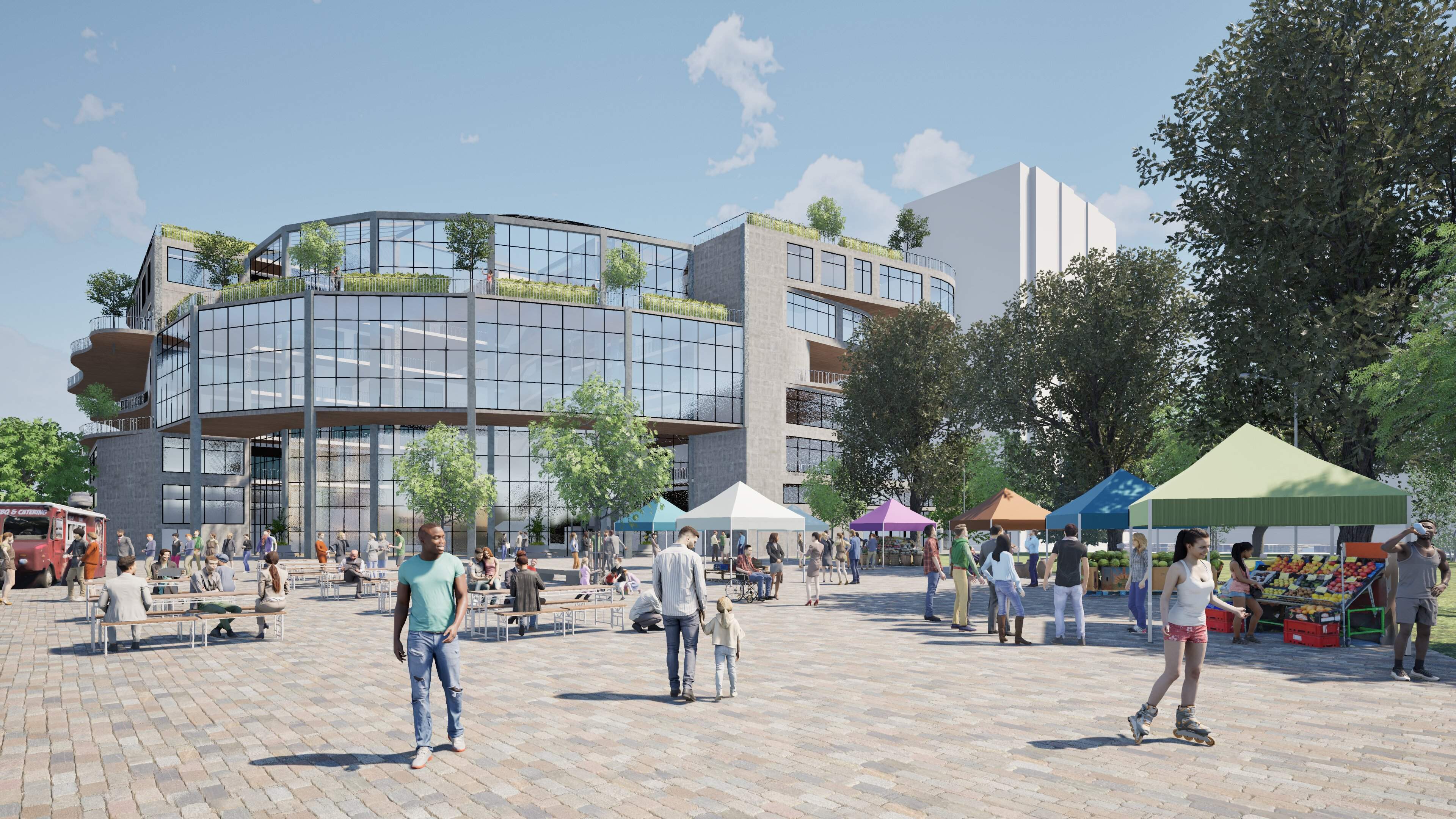
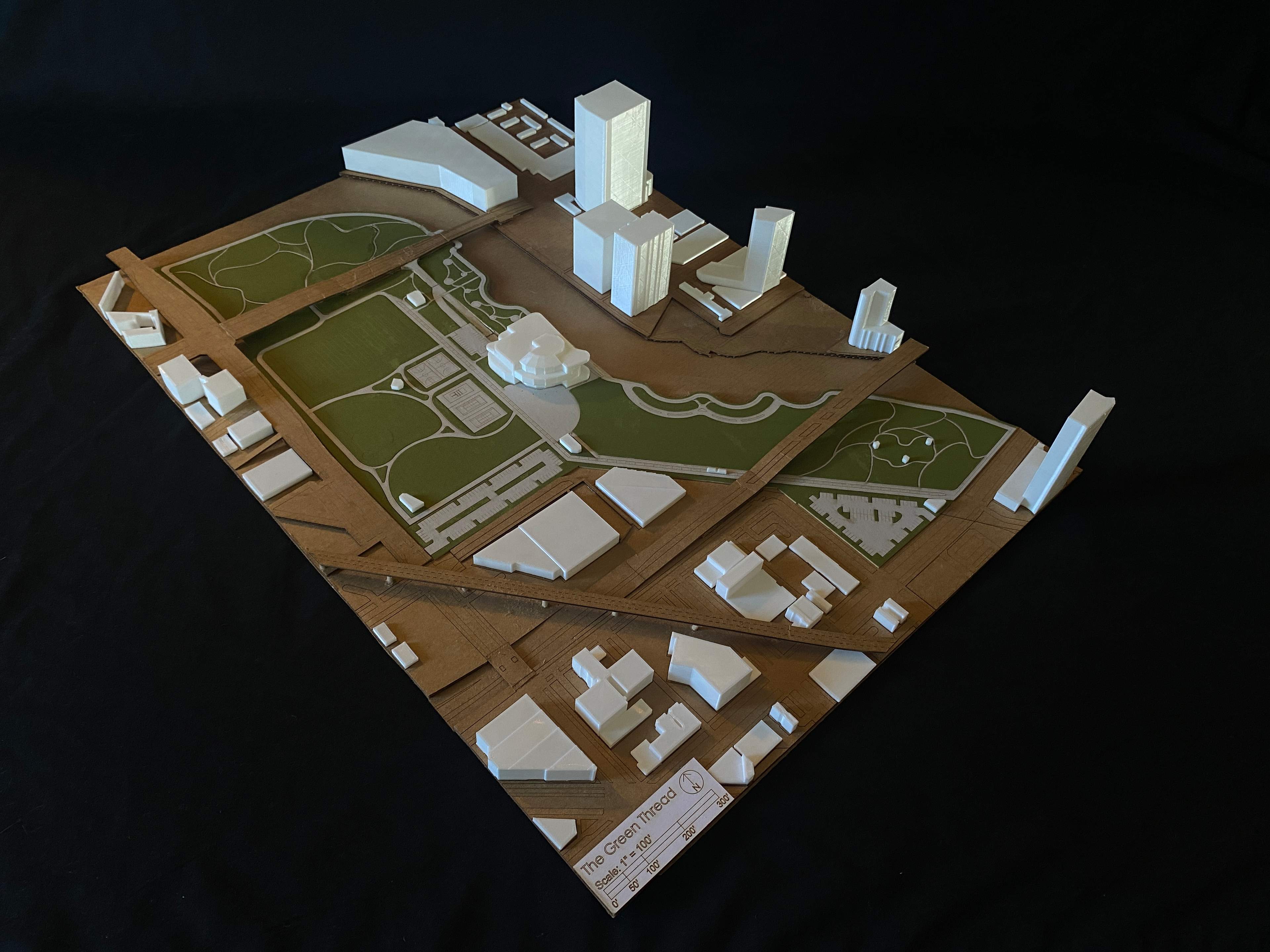
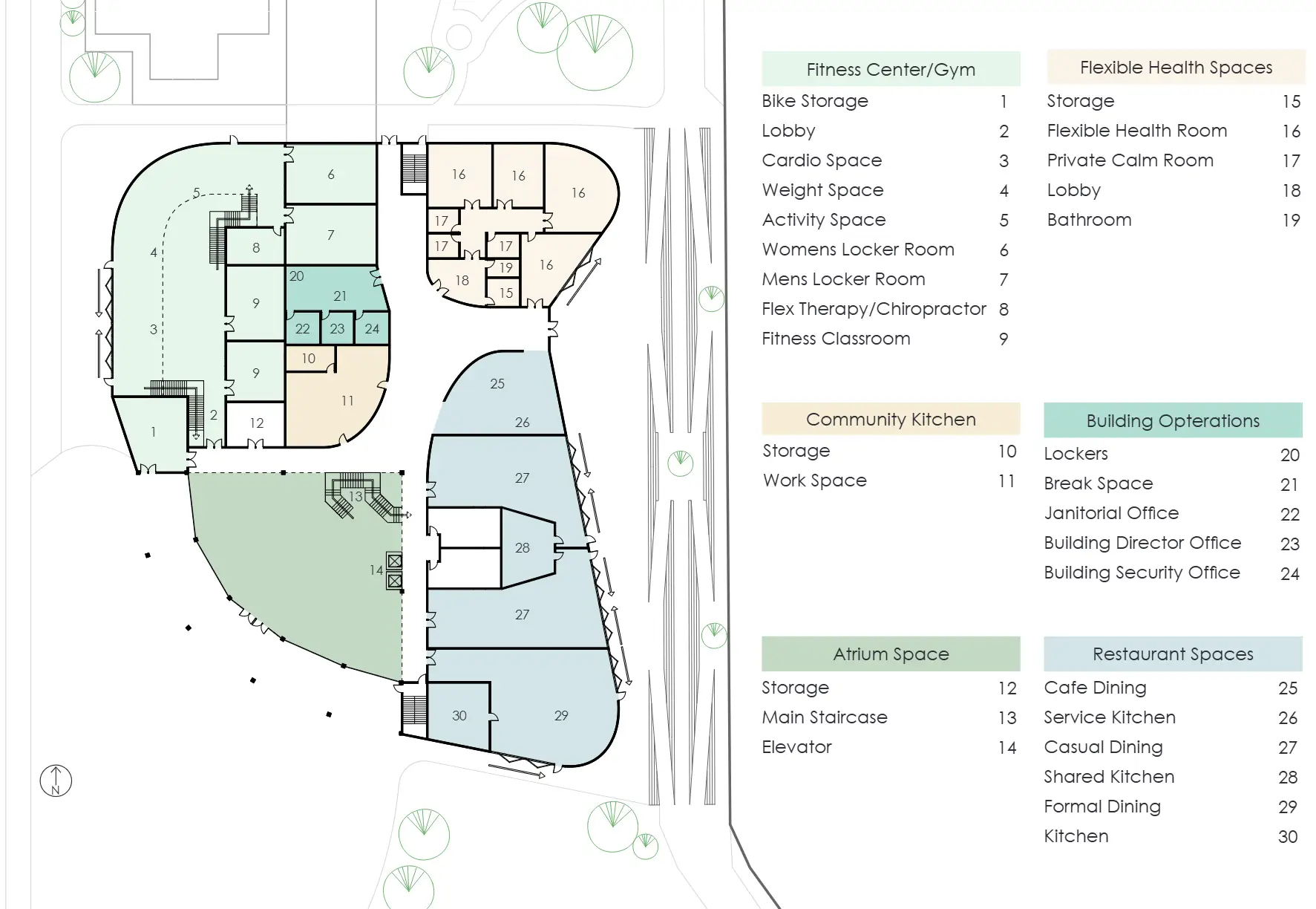
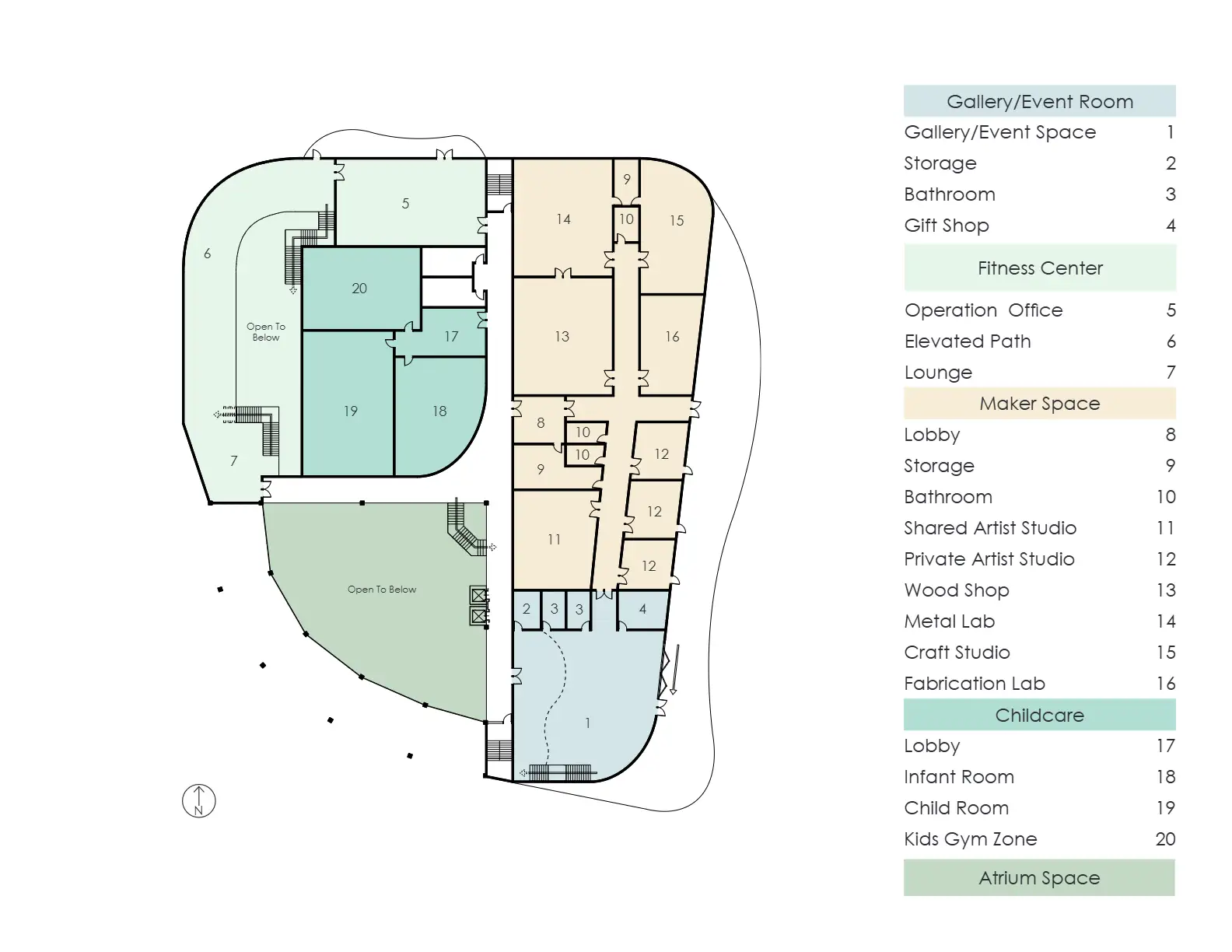
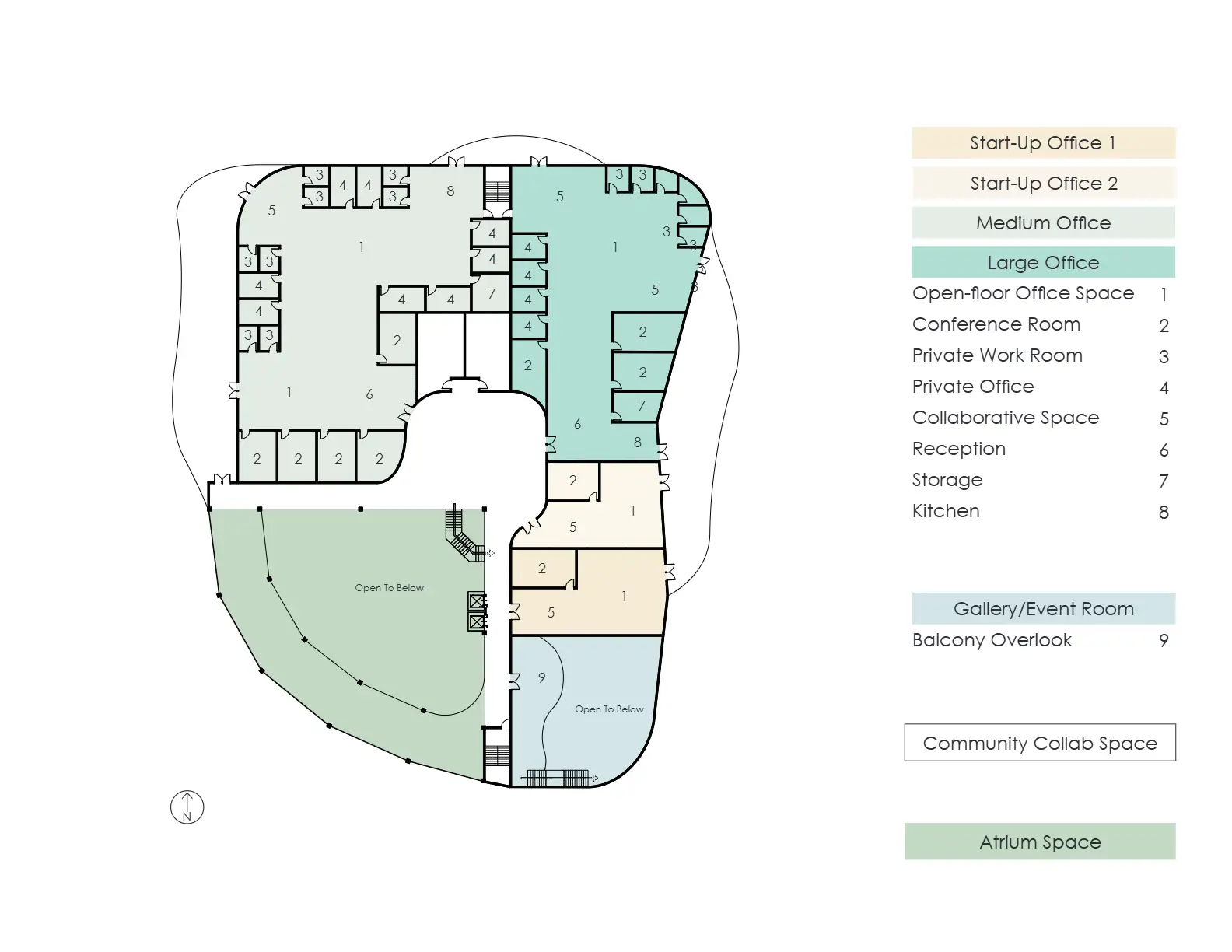
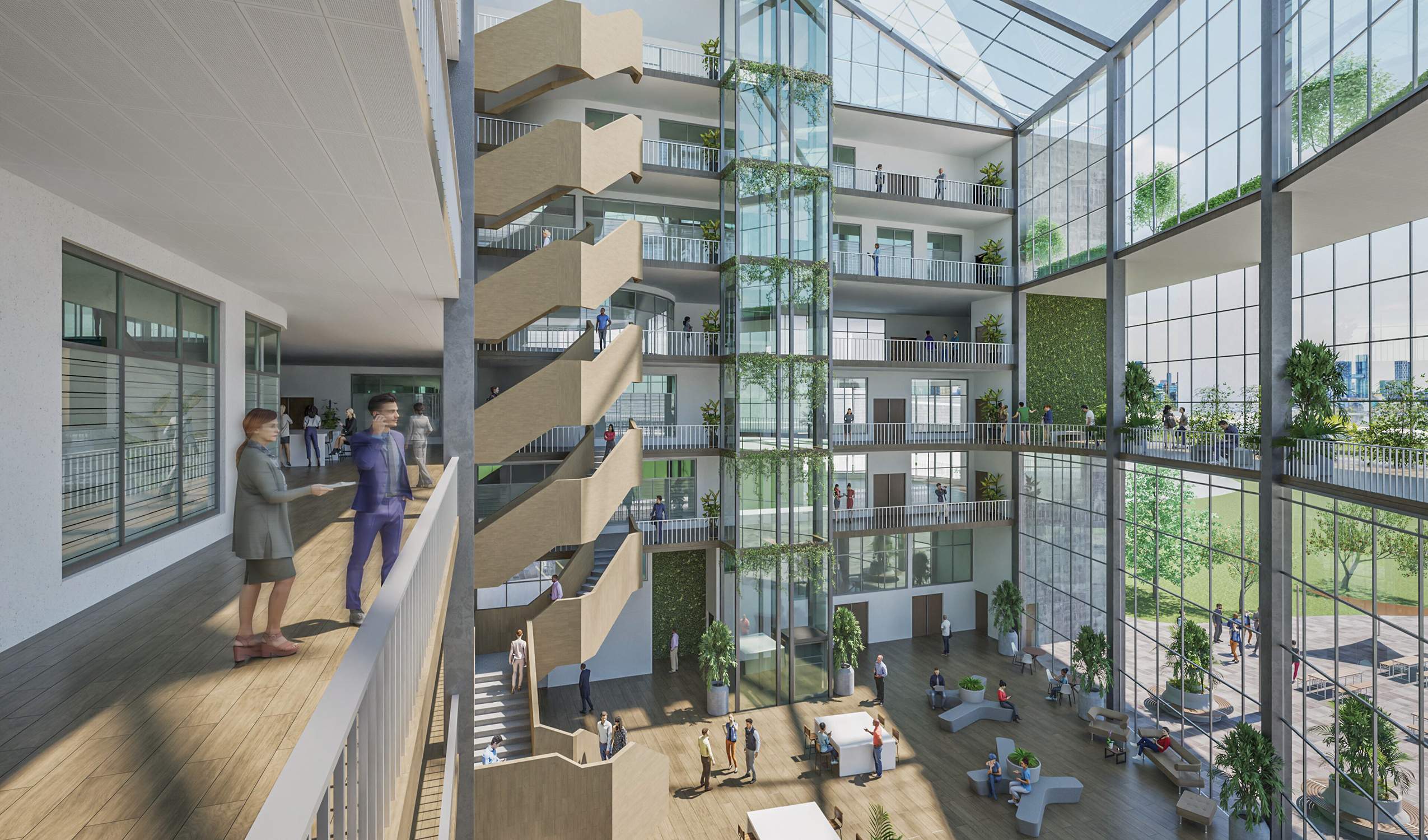
As urbanization accelerates, cities face growing challenges in promoting public health and environmental sustainability. Set in West Town, Chicago, this project envisions a community-centered commercial office building and integrated landscape that actively supports well-being at individual, community, and regional scales.
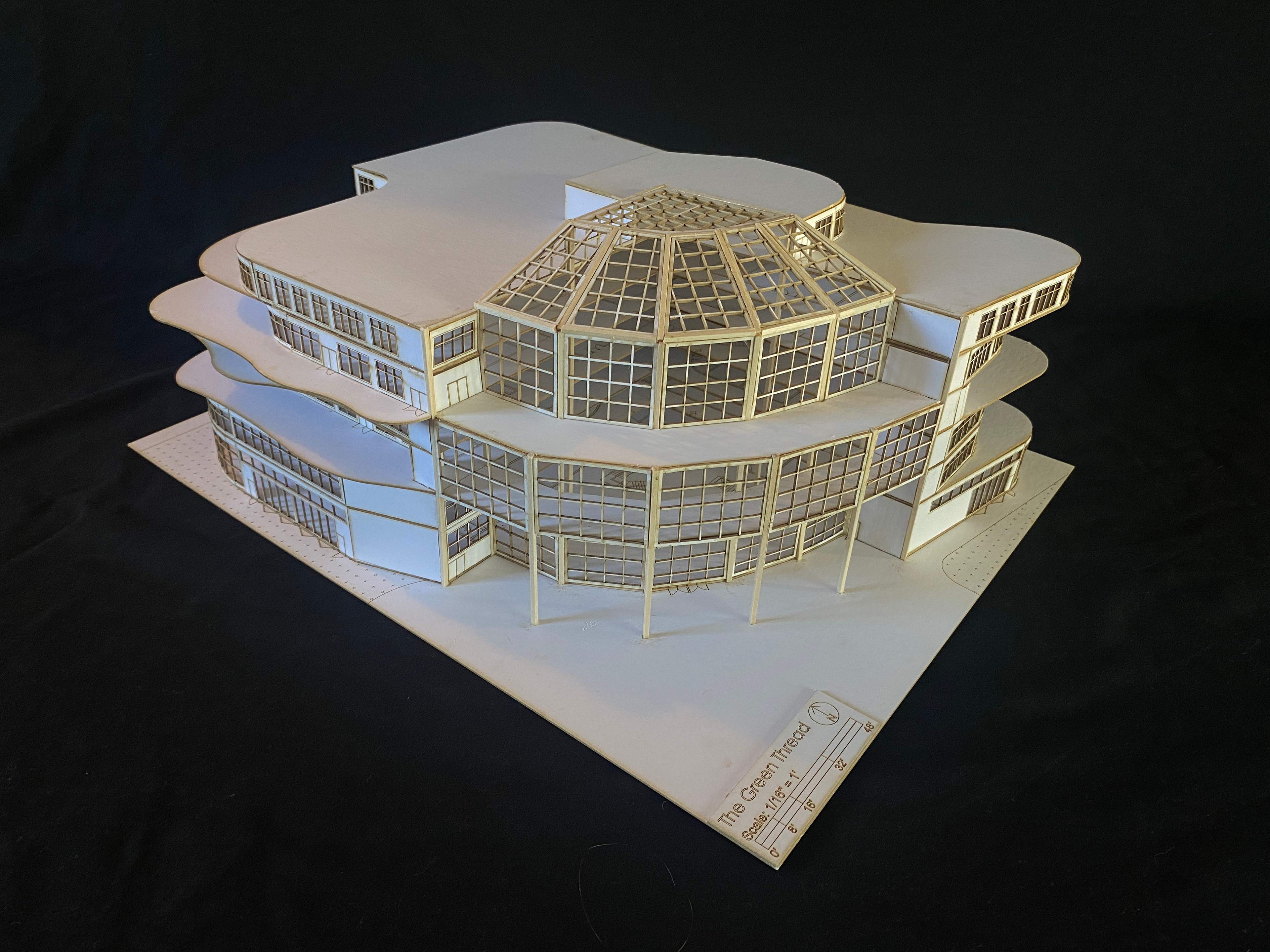
This page presents select components of the final design. Comprehensive research, analysis, and development materials are available upon request.
Project Specifications
Date | Fall 2024, Spring 2025 |
Site Location | West Town, Chicago, IL |
Academic Class | Arch 403, Arch 404 |
Professional Organization | -- |
Tools Used | Rhino, Twinmotion, Illustrator, InDesign, Photoshop, Procreate, Grasshopper, Cove |
Architectural Design Proposal
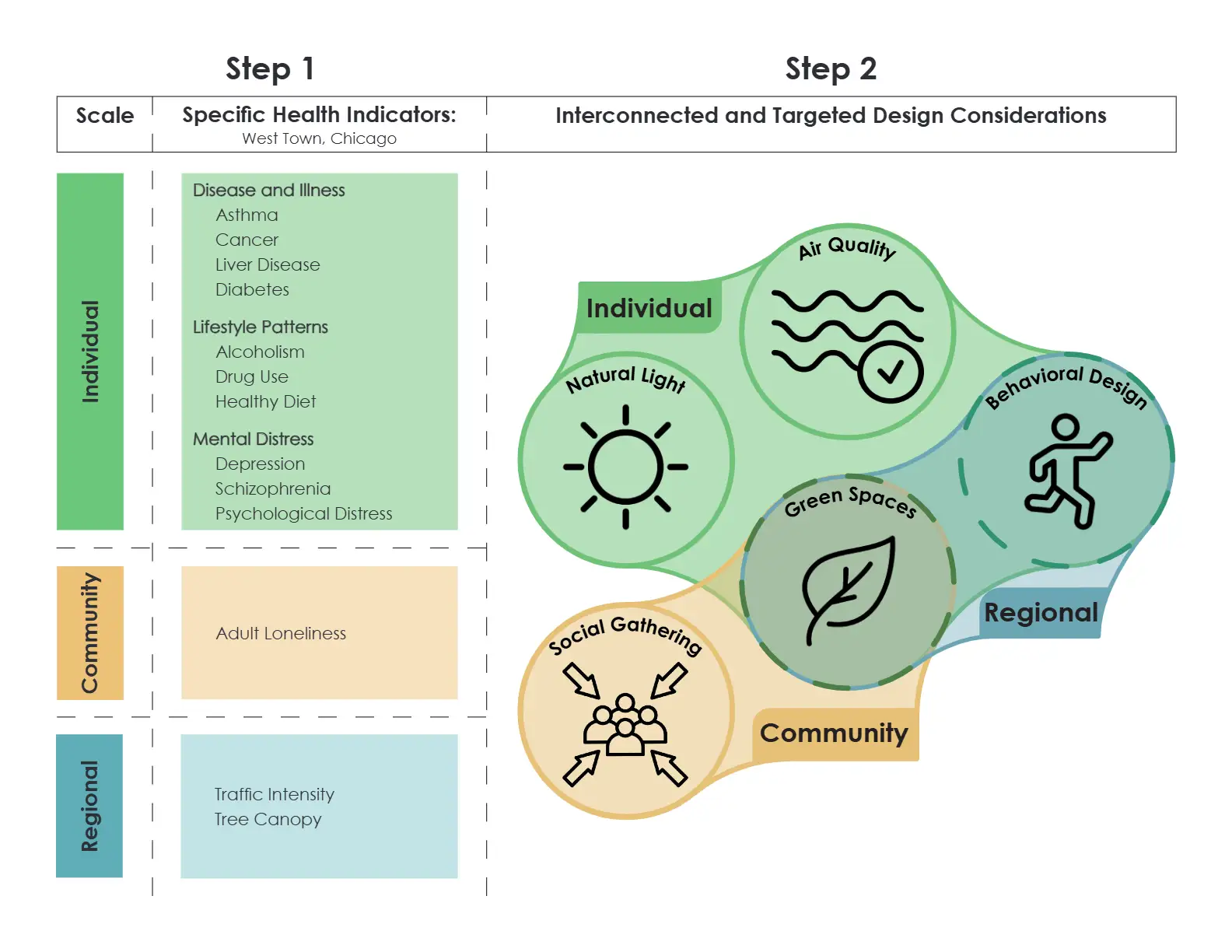
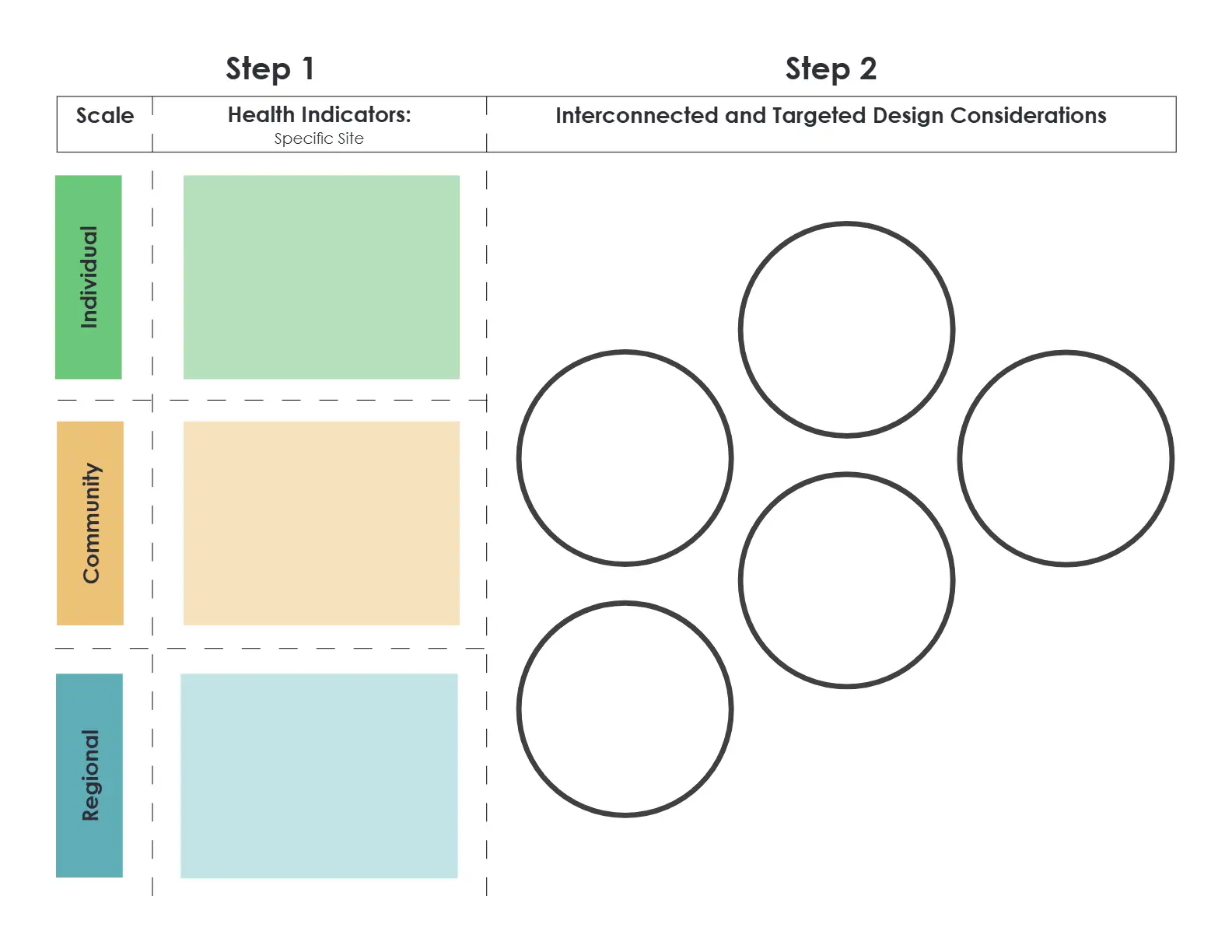
This proposed design framework follows a two-step approach: first, identifying the health challenges of a site, and second, addressing these challenges through targeted sustainable design strategies. Step 1 involves assessing the site’s health across three scales: individual, community, and regional. Step 2 guides designers to implement solutions that address site-specific health needs and promote long-term sustainability.
The framework’s adaptability ensures its relevance across different contexts. This framework can be applied anywhere, including rural, forested, or environmentally hazardous regions, revealing an entirely different set of priorities. By understanding the specific needs at each site, the proposed framework enables designers to create responsive and impactful design solutions.
Project Design Proposal
This project dives into the urban setting of West Town, Chicago. After thorough research, the focus is on addressing specific health issues prevalent in this neighborhood. These indicators directly guide design decisions to promote well-being in that context.
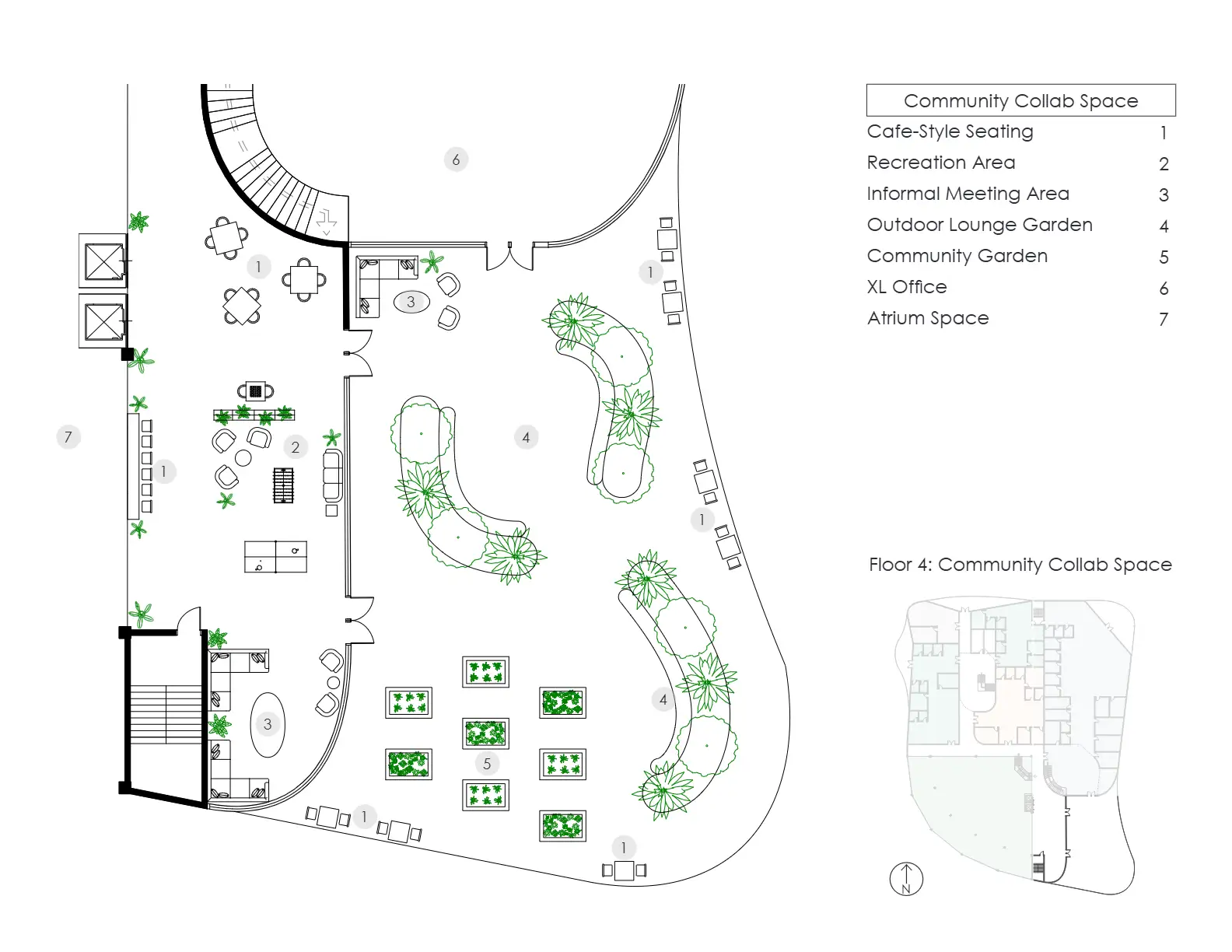
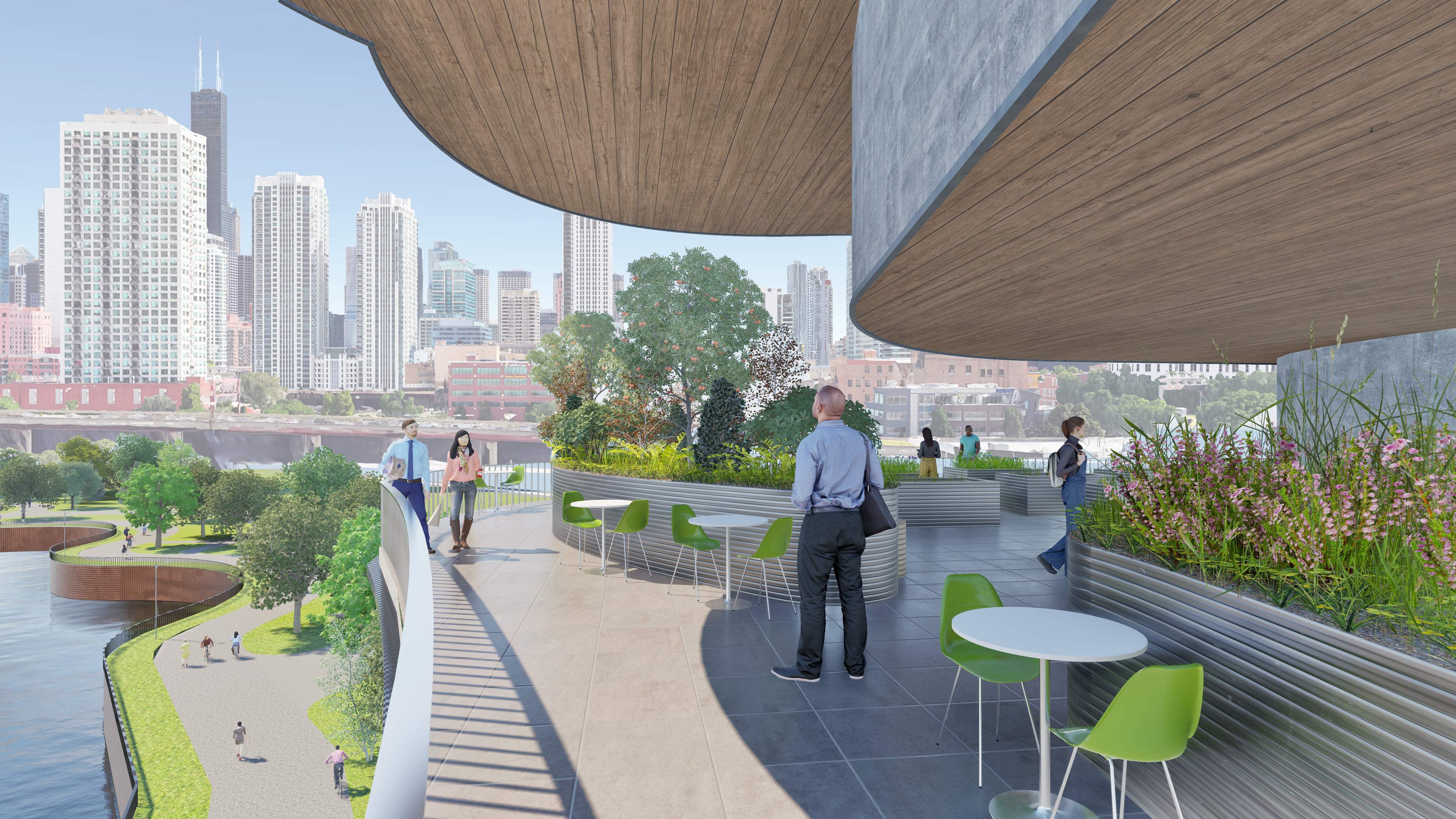
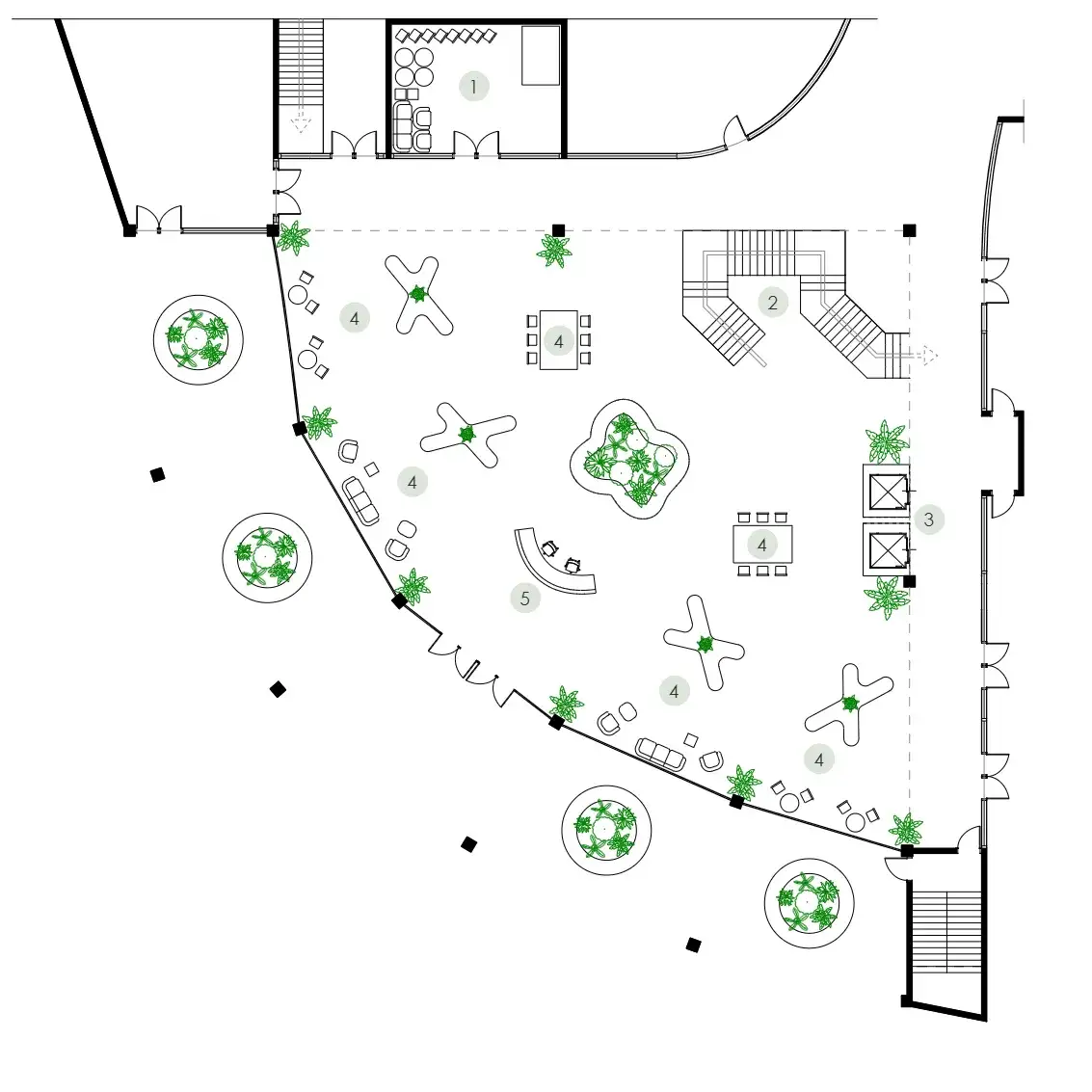
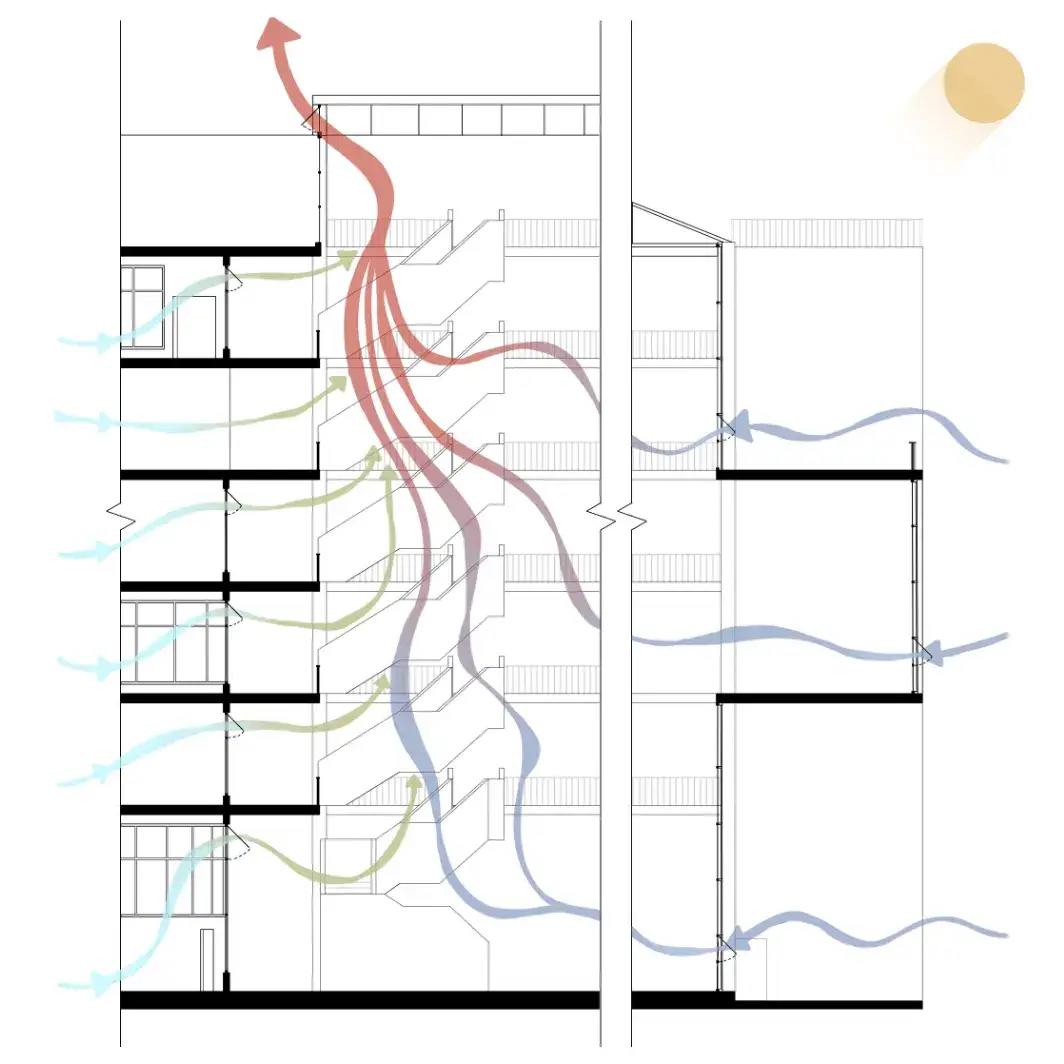
Natural Light, Air Quality, Social Gathering, Behavioral Design, and Green Spaces are the interconnected and targeted design considerations that are implemented to mitigate health issues in West Town, Chicago.