Project overview
Headplace thesis studio explored a contemporary approach to health architecture and the design of a Headspace counselling facility at Moore Park. The Canopy project lead from the research compiled in my final master's thesis ''Beyond the Clinical''.
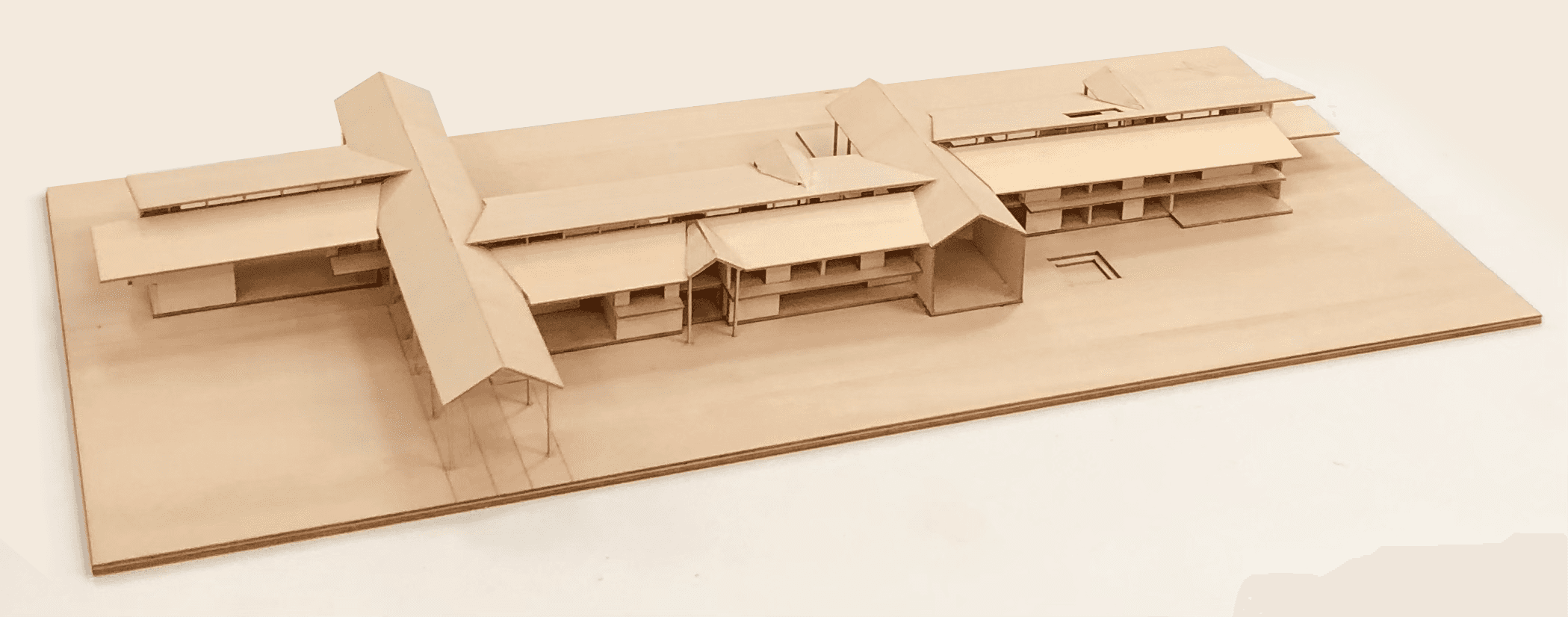
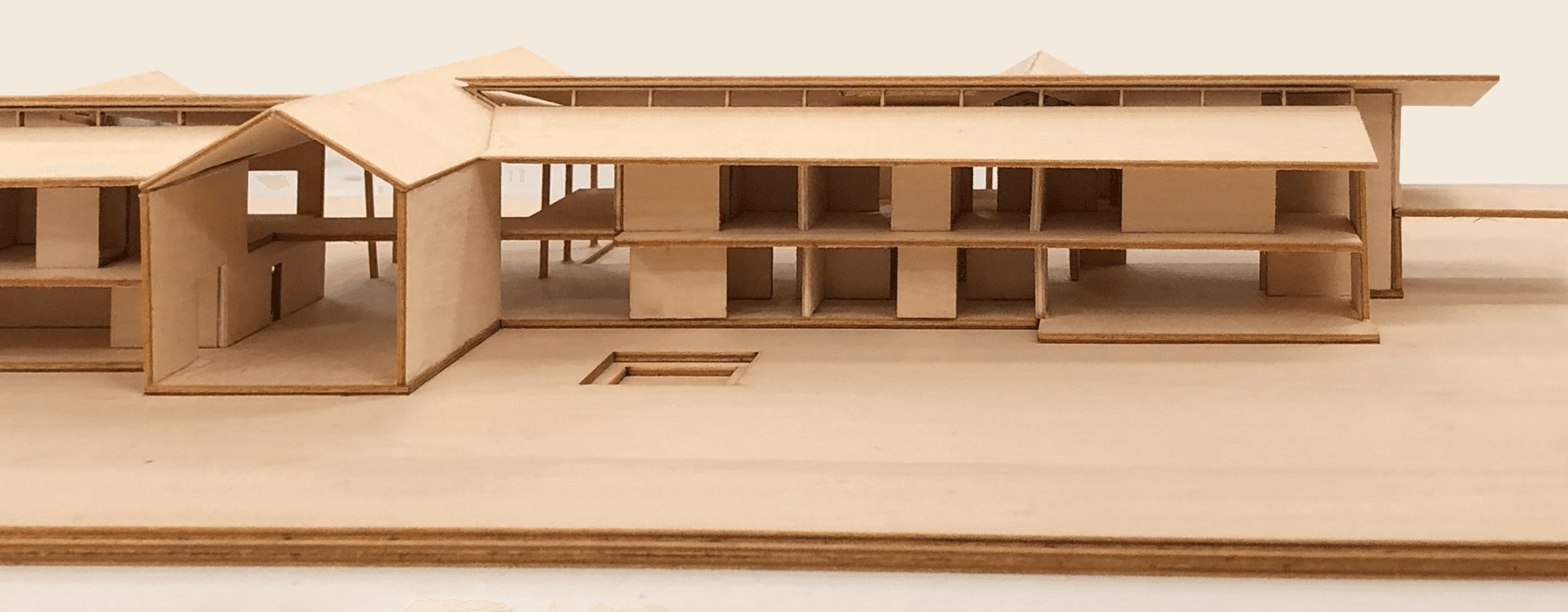
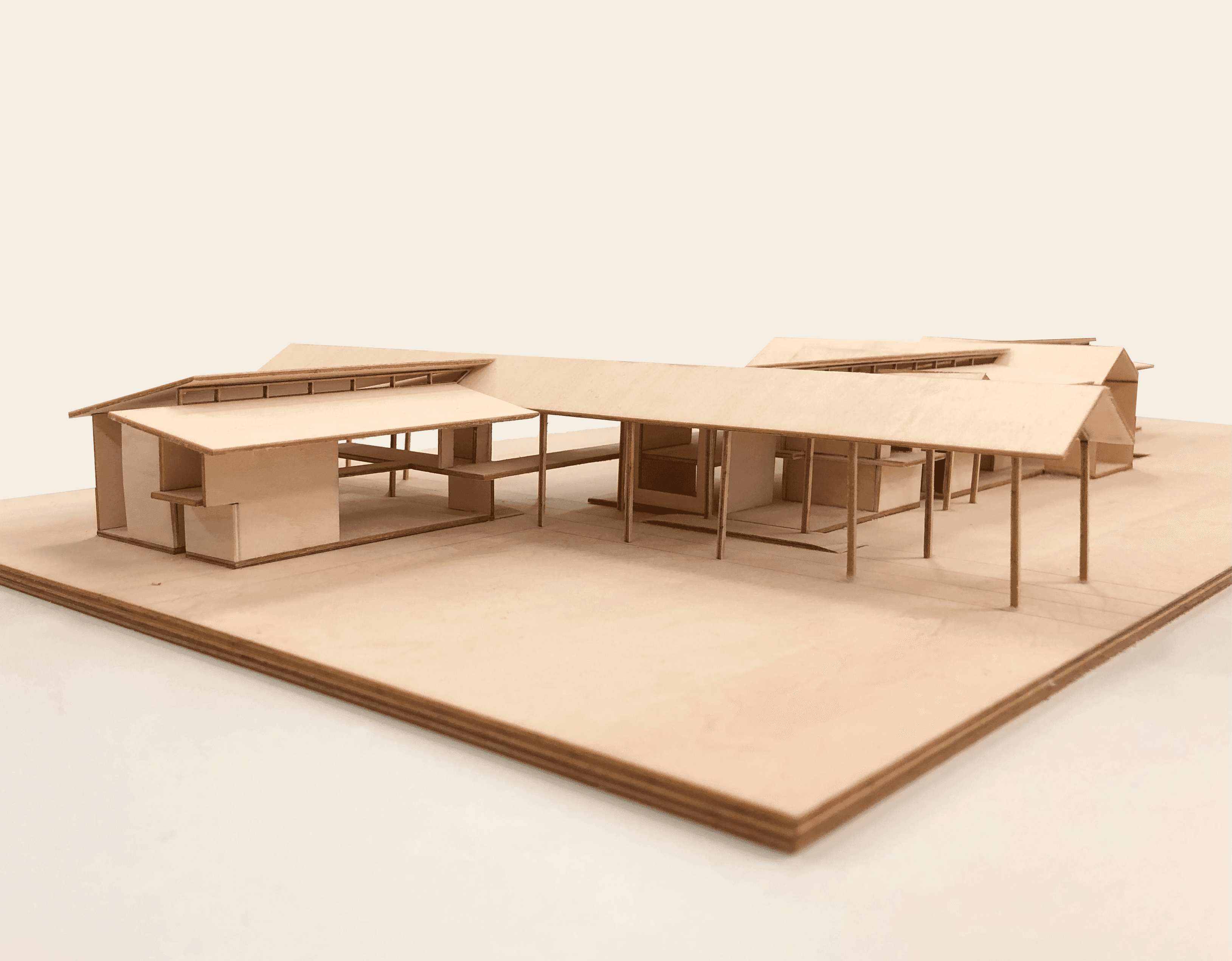
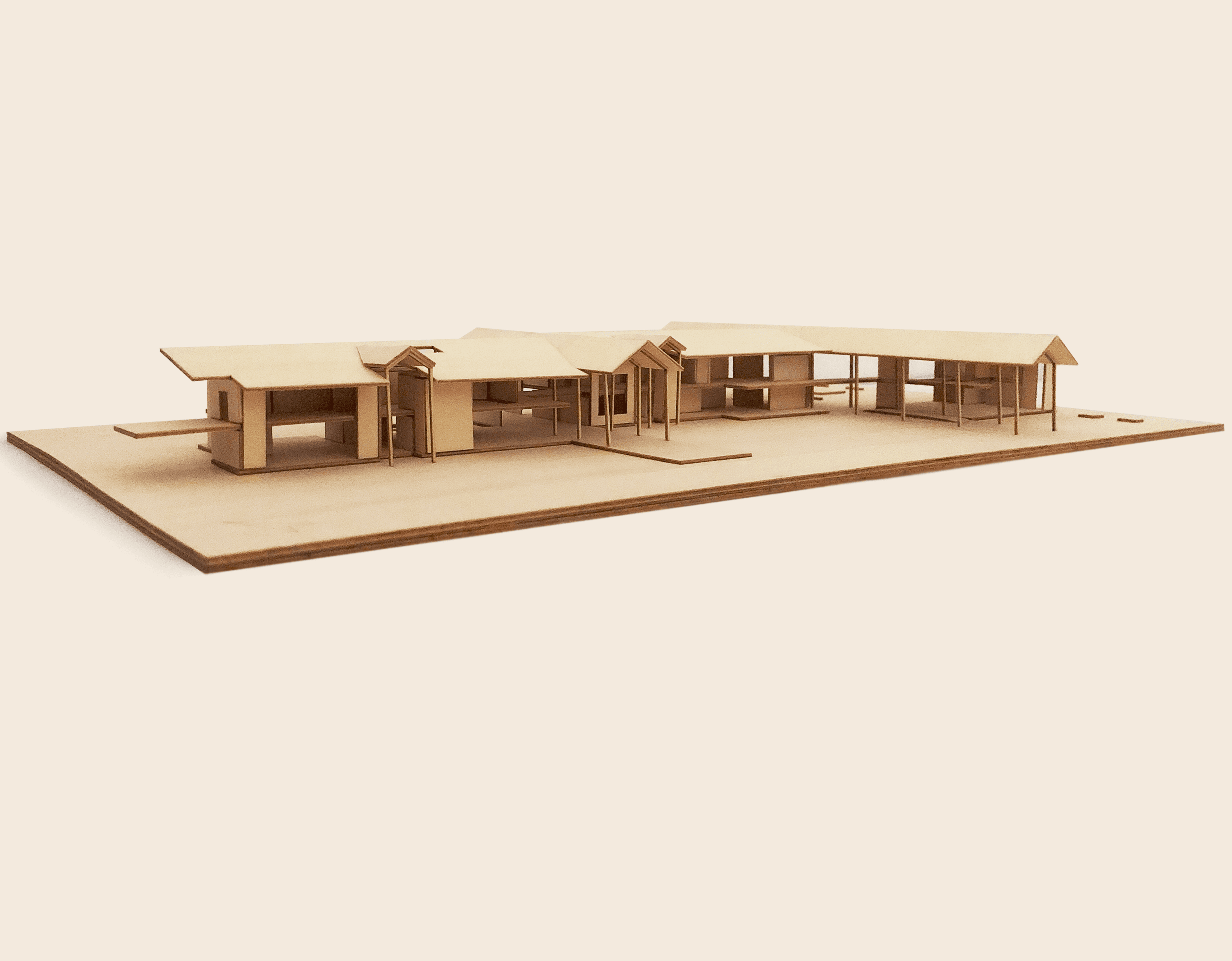
The Canopy aims to create a holist healing environment going beyond traditional clinical healing, through a sequence of escape, dwell and connect. The architecture aims to remove the users from the hustle and bustle of the city and place them into the natural environment, encouraging them to find a moment of stillness to create community connections.
Master of architecture | Thesis studio |
Date | 2025 |
Software used | Rhino, Revit, Enscape, Photoshop, Illustrator |
Experiential concept
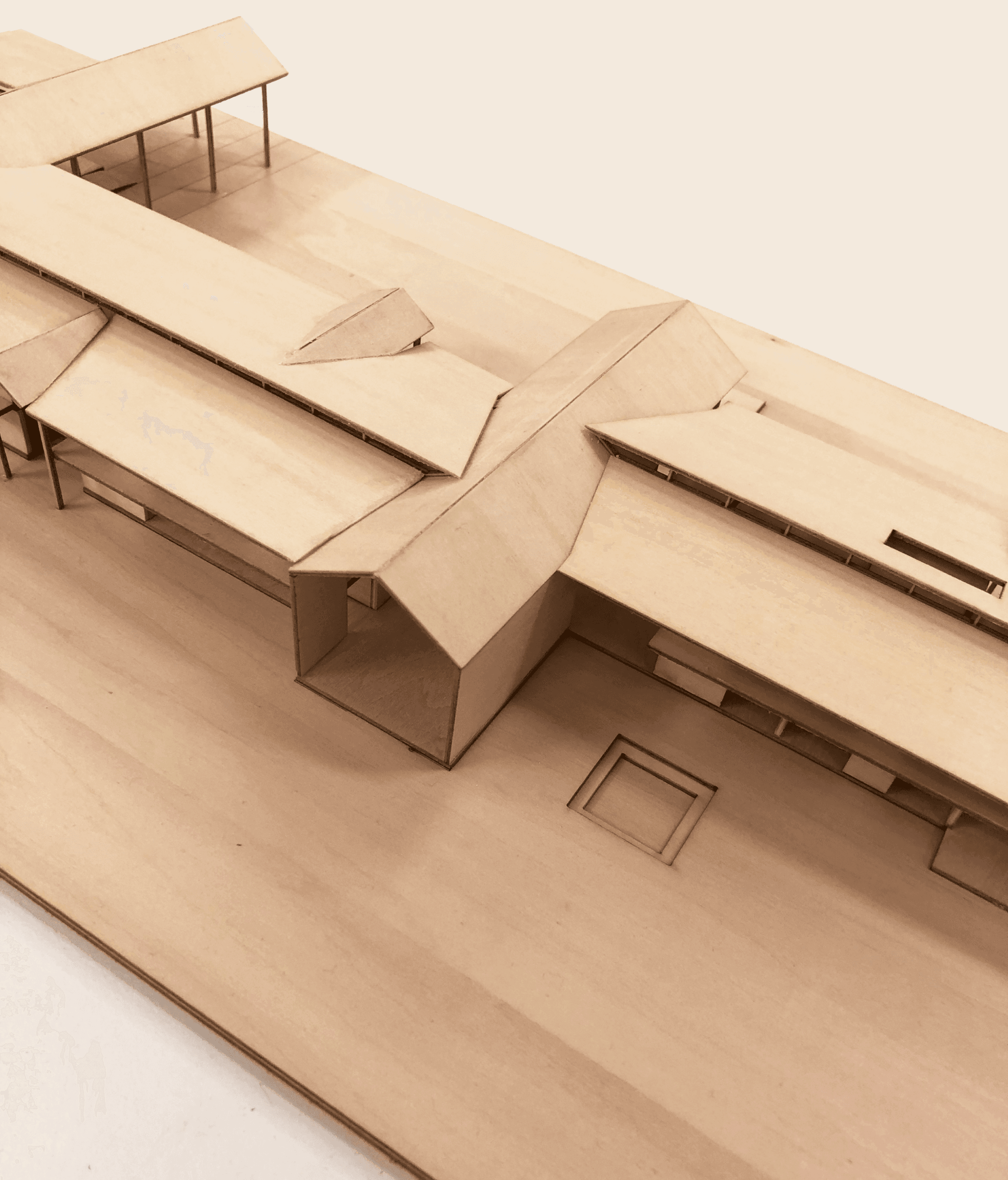
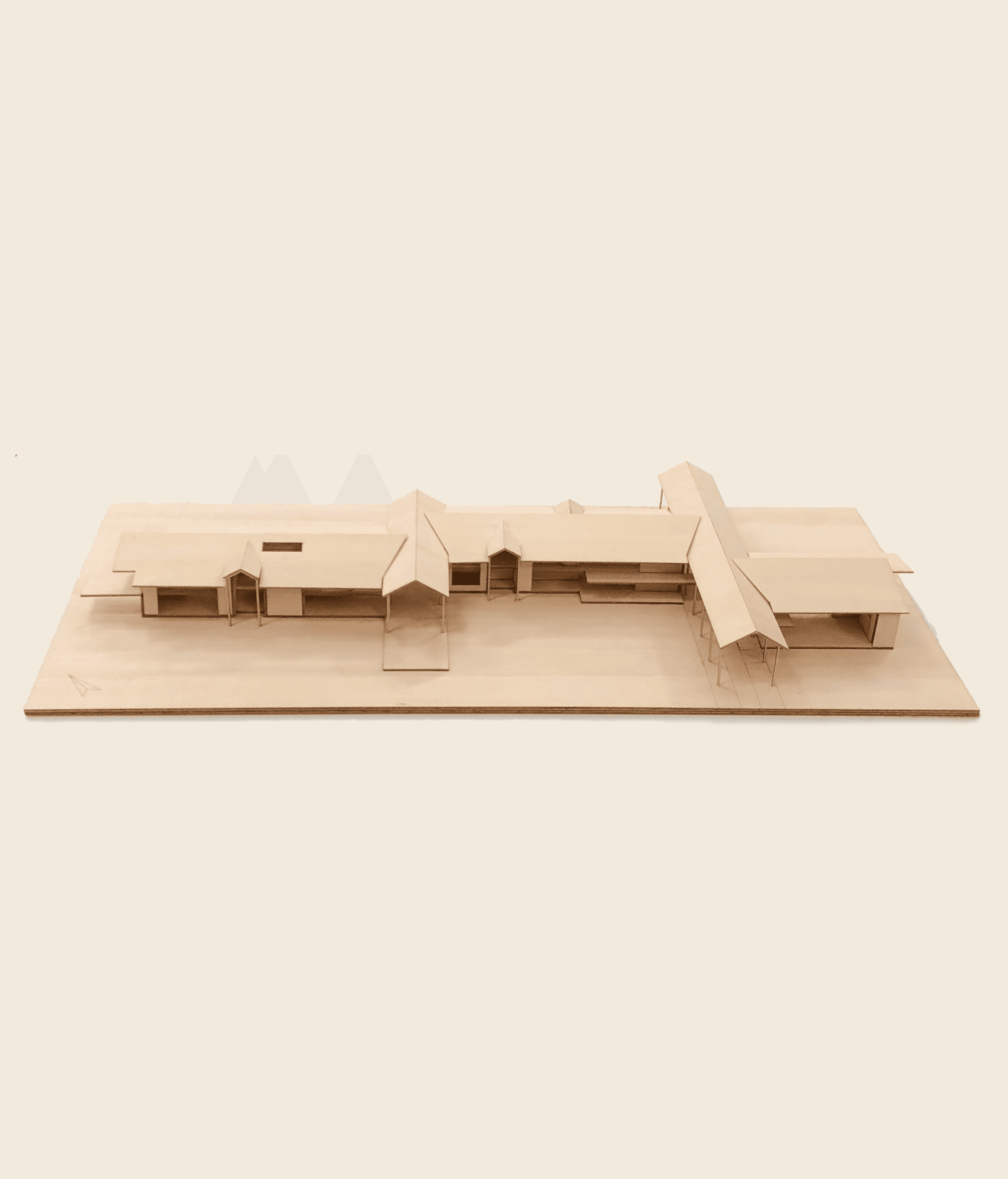
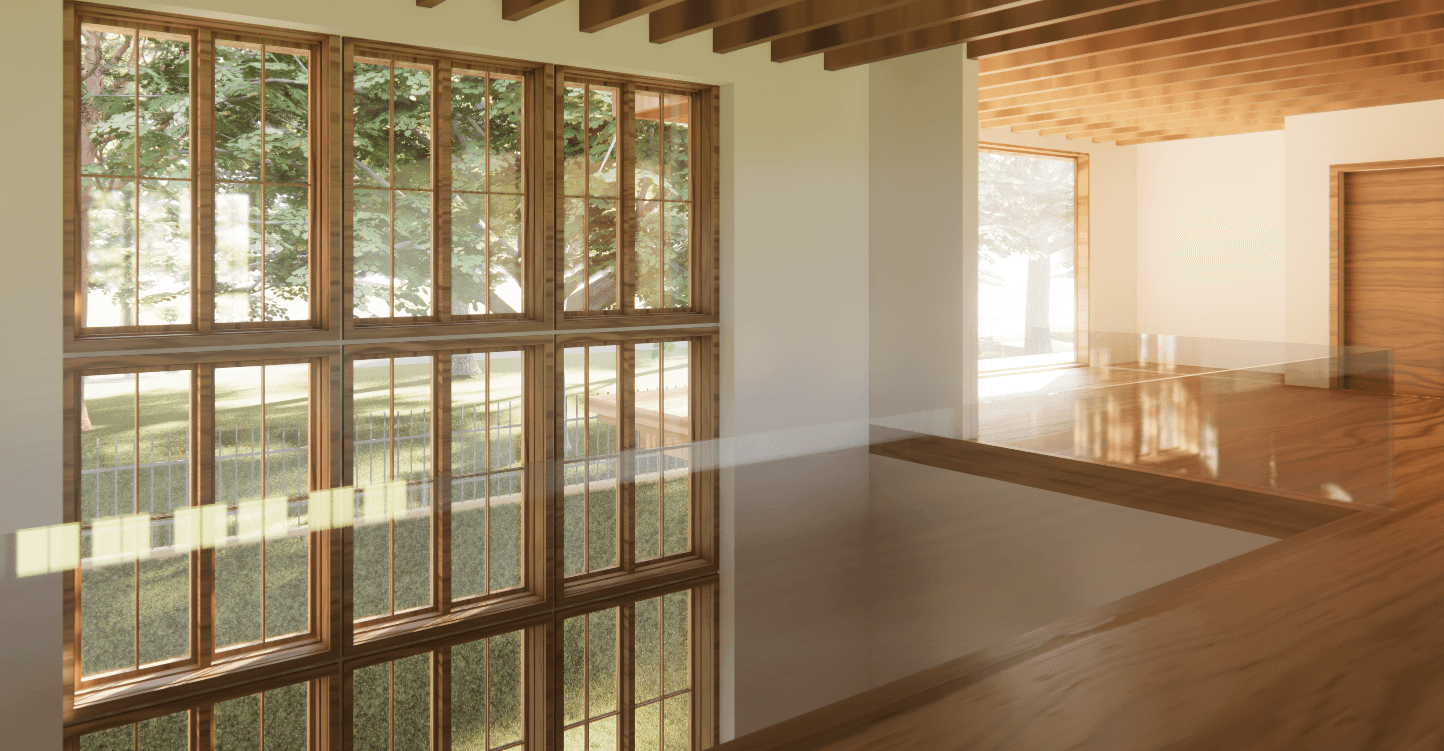
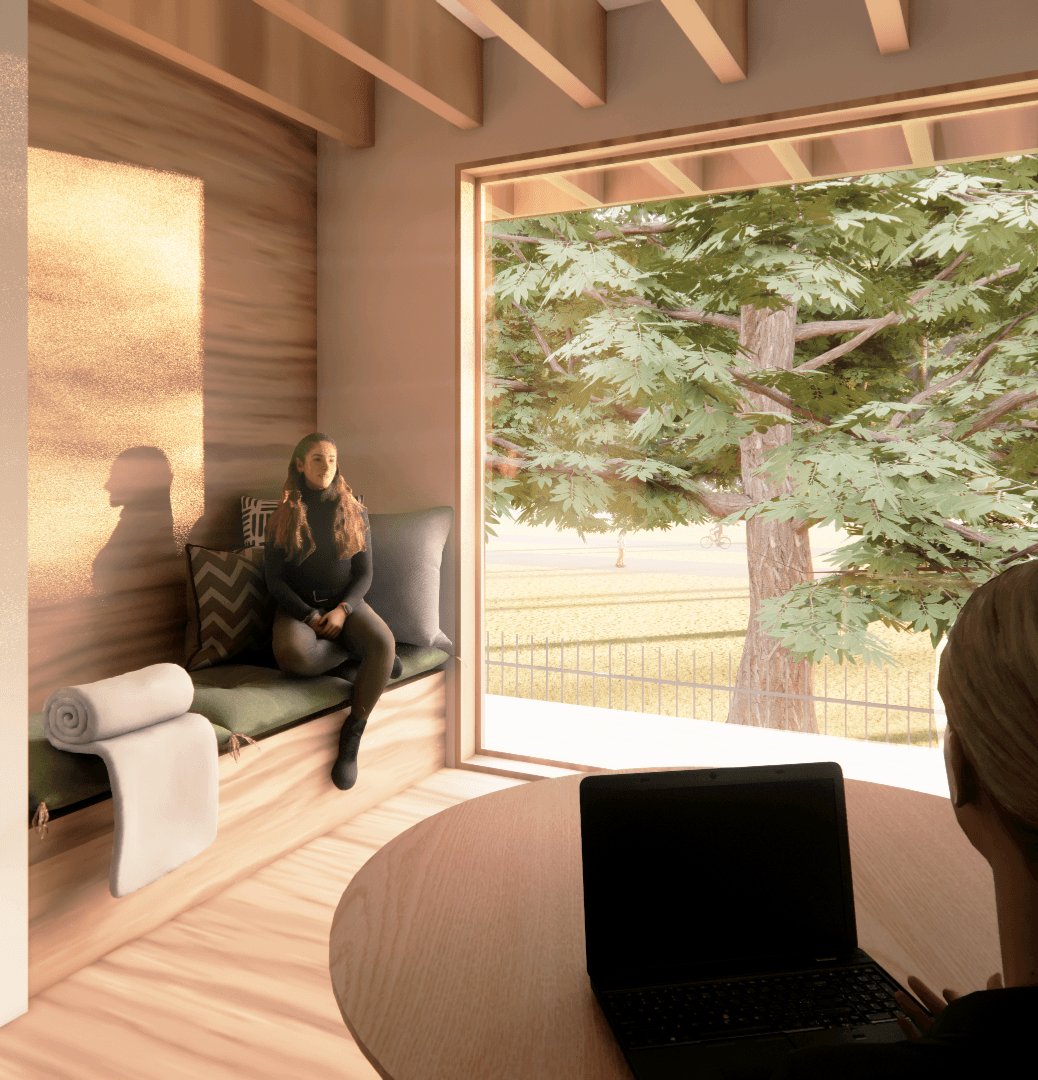
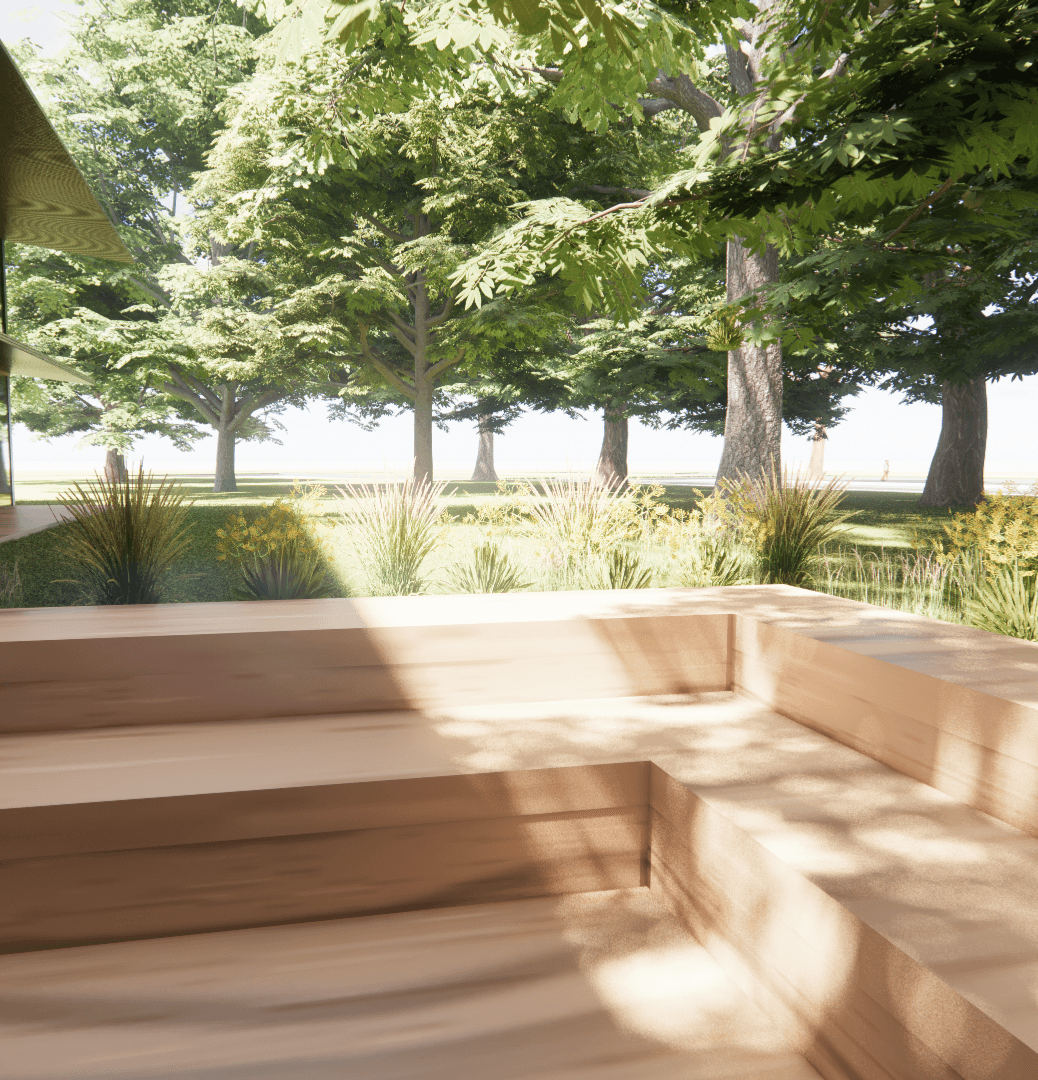
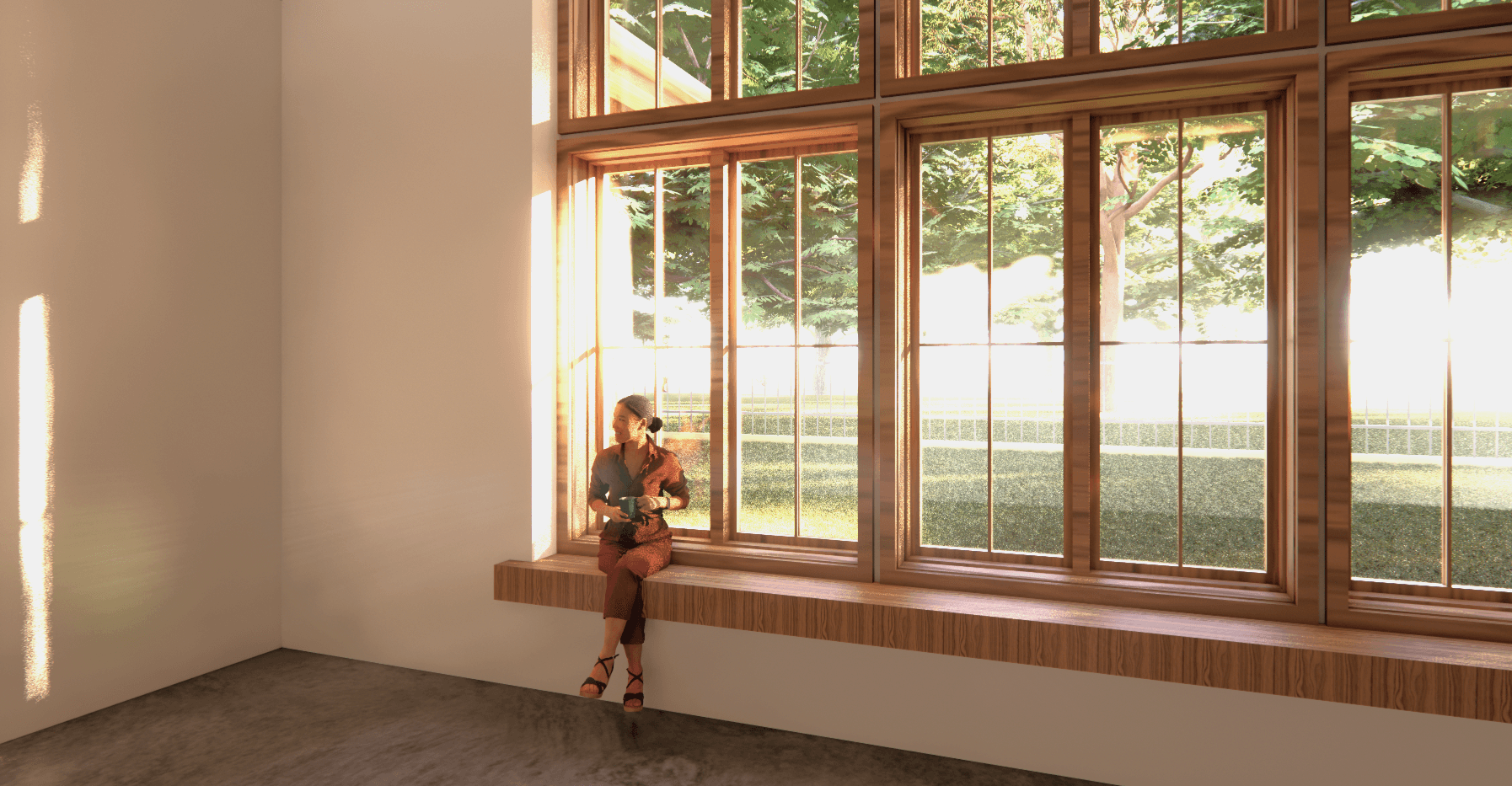
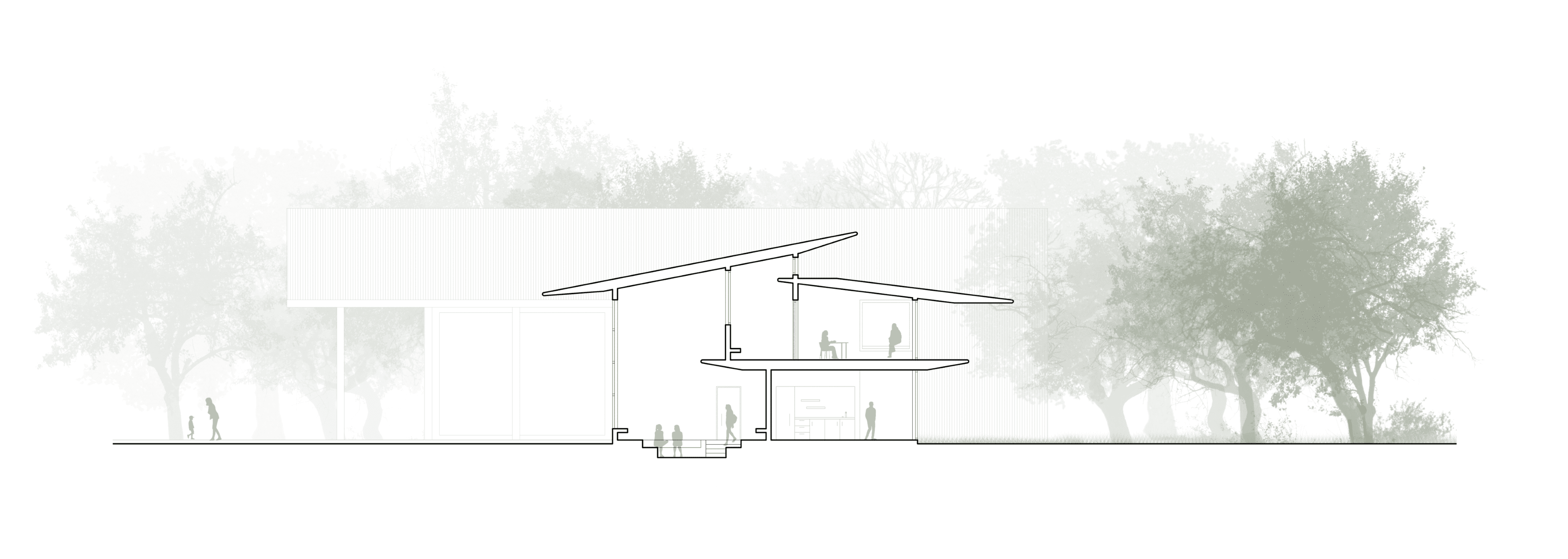
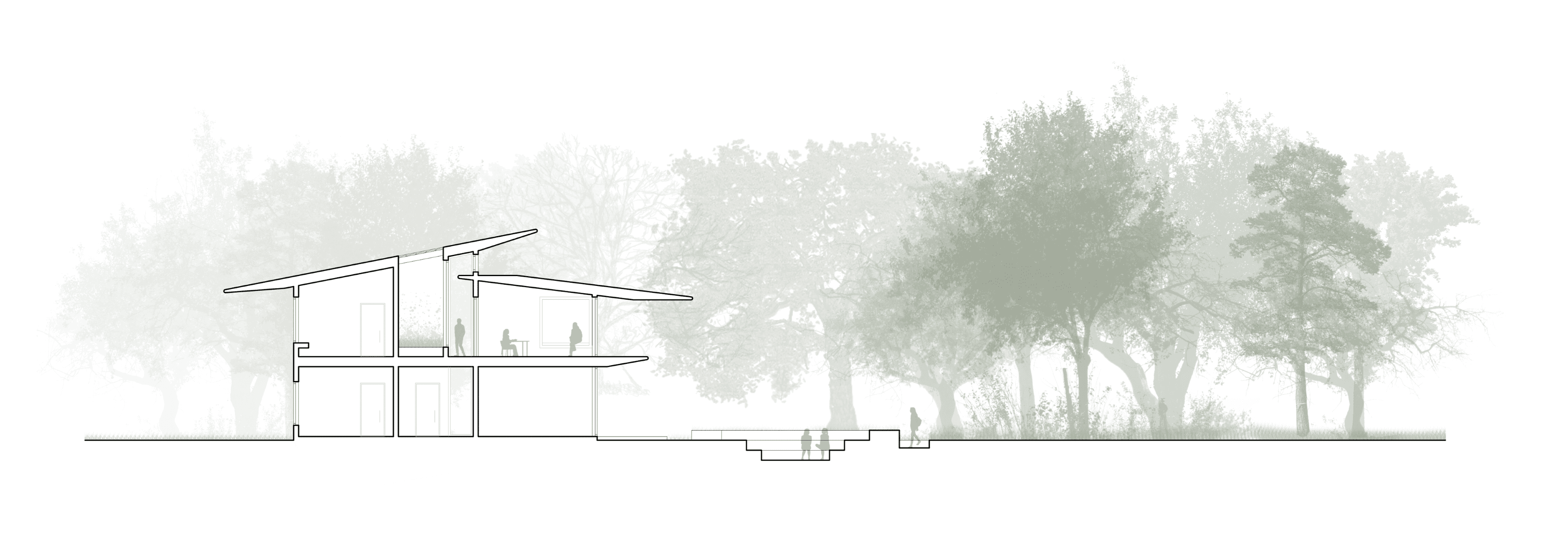
The form branches from a tree canopy becoming it's extension and enabling access to the trees from two stories. Below, dapple light shines through the canopy leaves onto the ground under the trees. A level up, the interiors are submersed into the canopy creating a feeling of escape and refuge in the natural landscape. The interior spaces feel warm and cozy, and the exteriors feel serene and calming fostering a comforting environment.
Design motif
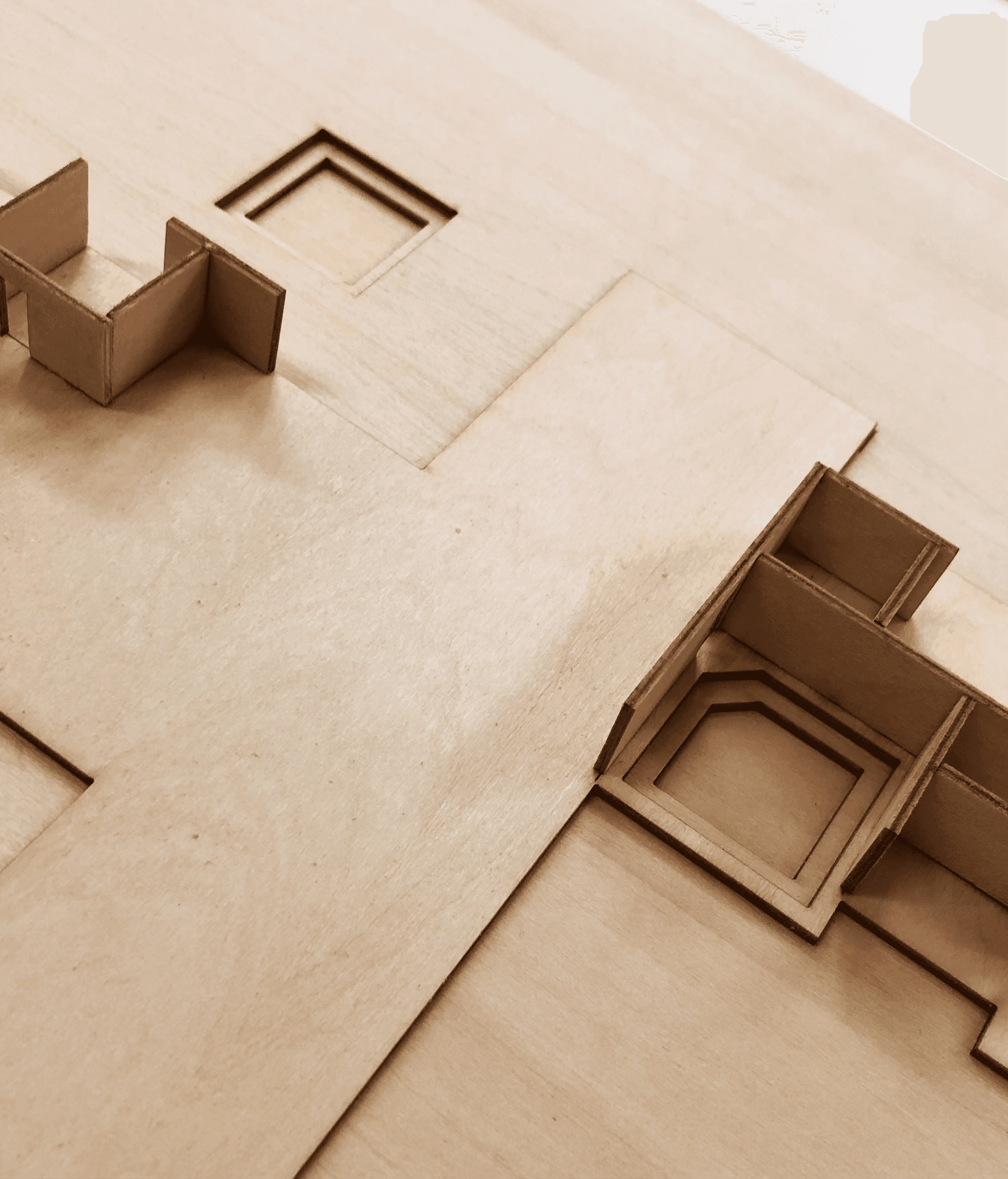
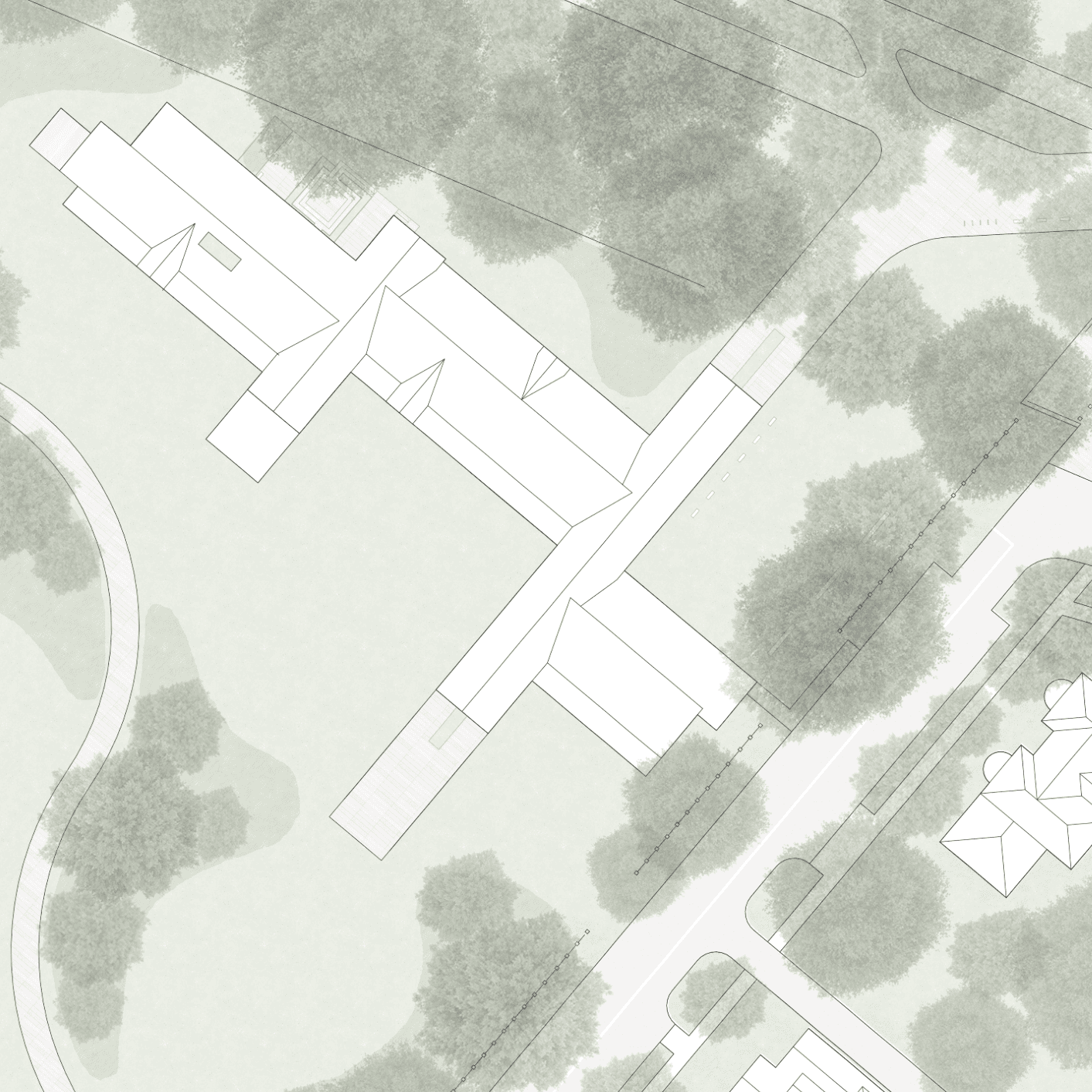
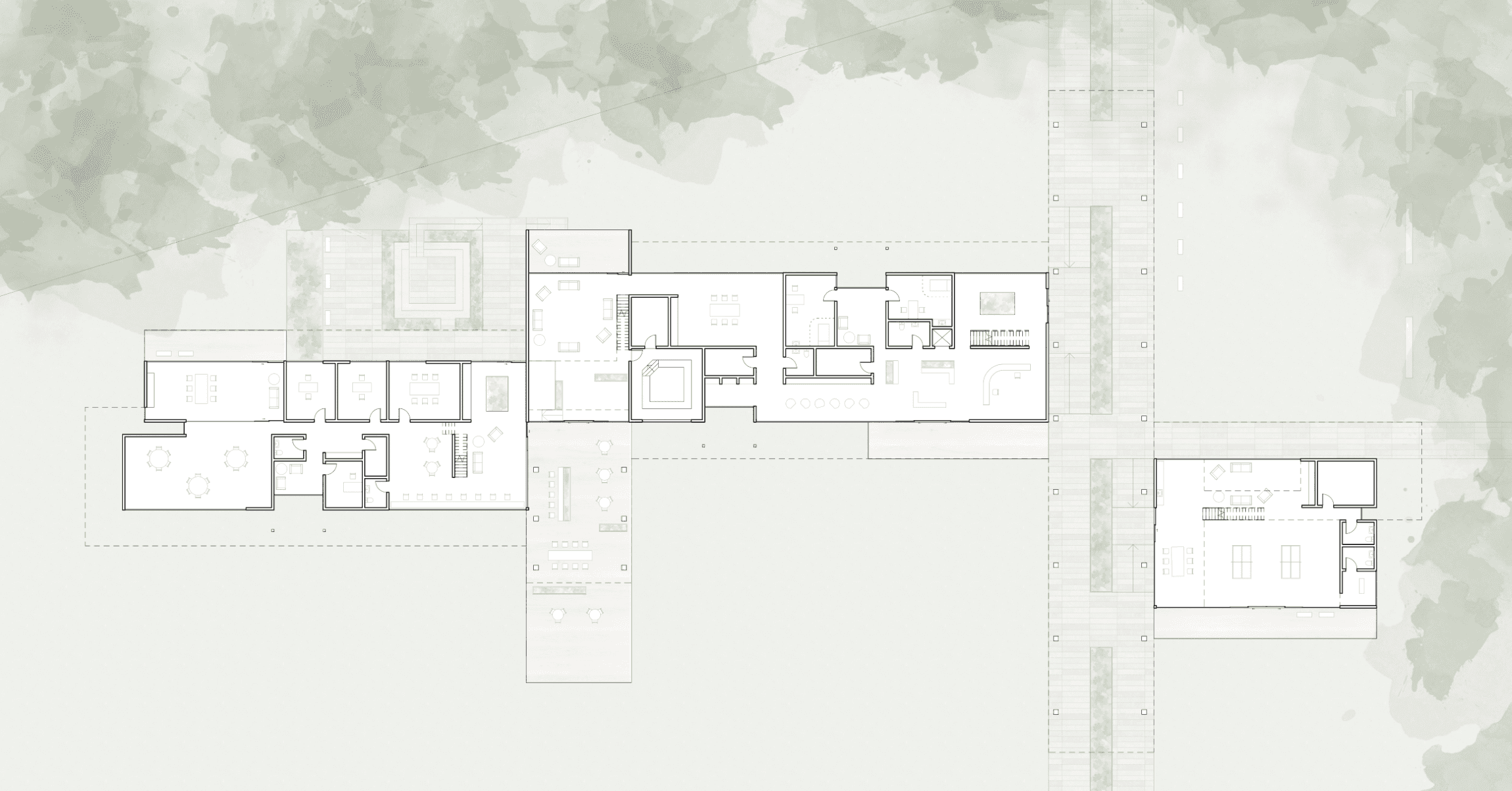
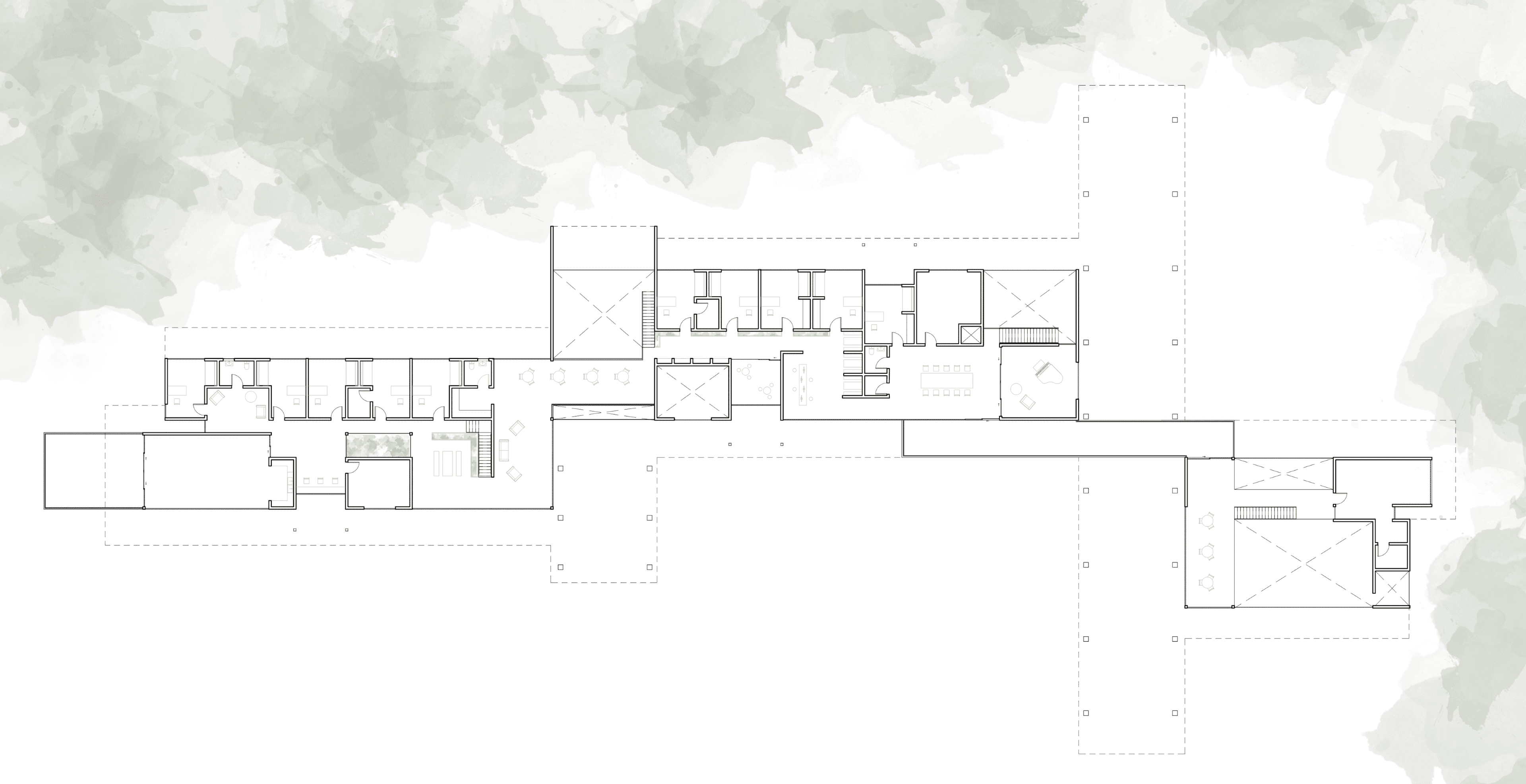
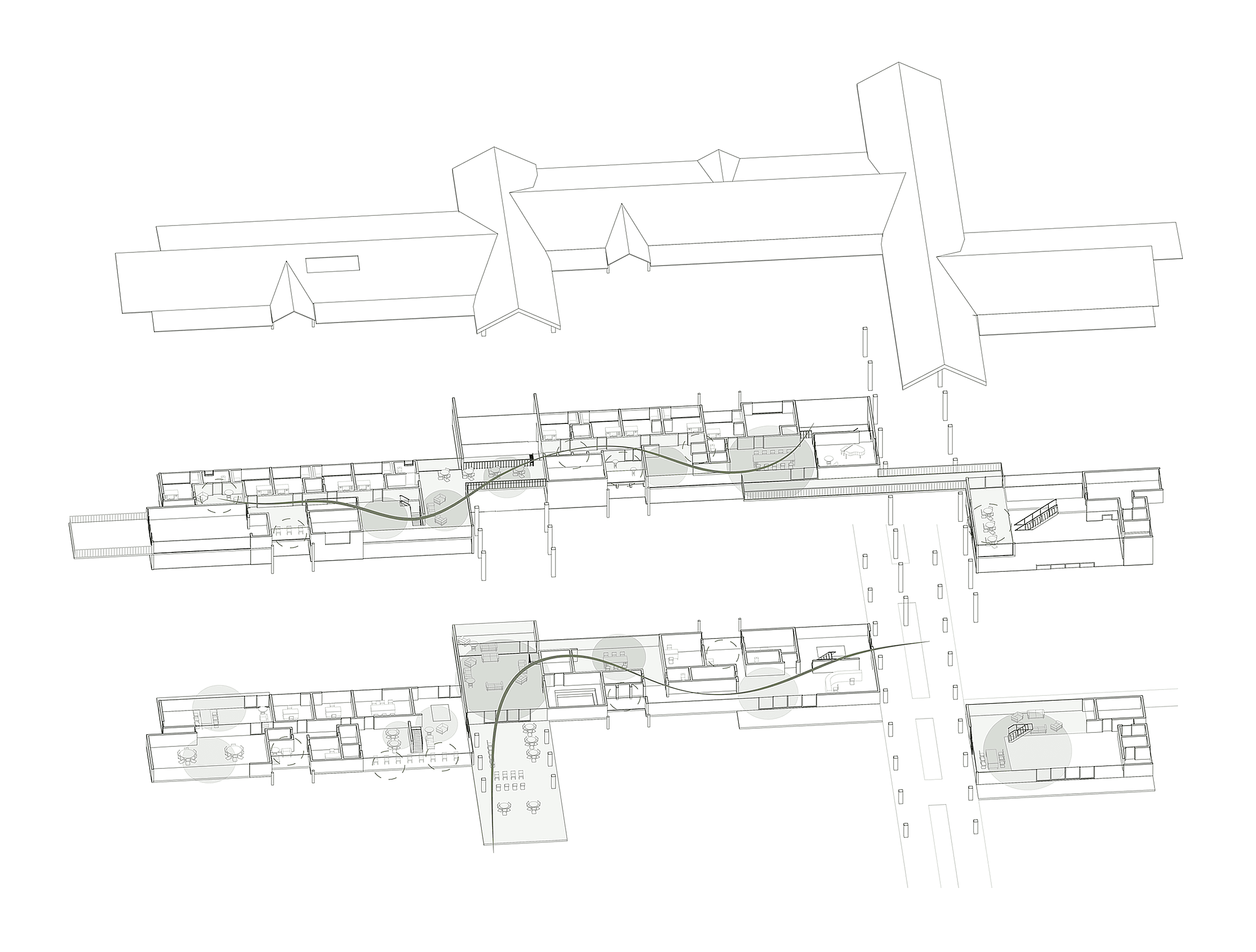
The canopy undertakes an unconventional exploration of fluidity through rectilinear geometries. Surfaces fold and fall becoming furniture and the boundaries between the interior and exterior are blurred. An organic flow is implemented through inhabitable circulation spaces by configuring enclosed rooms as soft boundaries between static common areas. These common areas are designed to allow people to remain in the space after their appointments, destigmatising counselling spaces. The medical corridor is reframed as an external passage which embeds the architecture into the landscape, connecting public paths and framing park views.
Thesis abstract
escape, dwell, connect, in-between, fluidity, user choice,
restorative environments, passive design, user experience,
community, retreat, sequence, pace
**full thesis pdf copy available on request
Beyond the Clinical explores the effects of clinical architecture on mental well-being, a prevalent concern within cities. The study aims to assess strategies to create holistic healing environments which can contribute towards improved mental well-being directly or indirectly. Engaging with a selection of books and precedent studies, the research outlines an approach to designing holistic healing spaces. Holistic healing environments, beyond clinical spaces, will be explored through the lenses of escape, dwell, and connect. These sections of research informed my design of the Canopy project in response to the Headplace Studio Brief. The research led to my architecture solution, Canopy, which encapsulates principles which can be extracted and reorganised towards different architectural solutions. An explanation of the siting for Canopy is grounded in a desired understanding of the existing spirit of place and naturally developed site relationships. Following the initial contextual study, this thesis is organised into three sections: escape, dwell and connect. Ideas of fluidity are embedded into each section as a means of seamless integration of site and place. In-between and transitionary spaces are highlighted as a means of facilitating chance interaction and opportunity for community connection.
Escape zooms in on the relationship between landscape and architecture. It outlines how the natural environment can prime a healing mindset, becoming an asset in health architecture. The relationship between interior and exterior space is explored through Geoffrey Bawa’s design philosophy. The section reveals an approach to form, orientation and spatial experience.
Dwell focuses on anti-institutional design strategies that place user experience at the forefront of the design process. It looks at strategies to make the user feel comfortable approaching and remaining in the space. The Maggie Centre model is analysed as a method of understanding what users see as the most important aspects of healthcare and support facilities, as the model was designed by a primary user of the space. It suggests an approach to scale, entry and zoning.
Connect explores community-oriented design, which encourages collaborative use. This strategy allows users to feel a sense of belonging to the community. The facilitation of community space contributes towards assisting healing through community introduction as well as prevention of youth mental health struggles through pre-emptive active community engagement. The Manchester Maggie Centre uncovers methods of design that balance the relationship between community and individual space. Program, sequence and planning strategies are traced through this section.