Project Brief
" How should fashion schools integrate business learning into a creative education? Can a medium be created to form a strong bond between students and accomplished designers? How can fashion students develop a business mindset from an early stage of their academic journey? "
These questions formed the core challenge presented to us in Design 7. The task was to design a fashion pavilion that integrates academic knowledge with industrial experience within the context of fashion institutes.
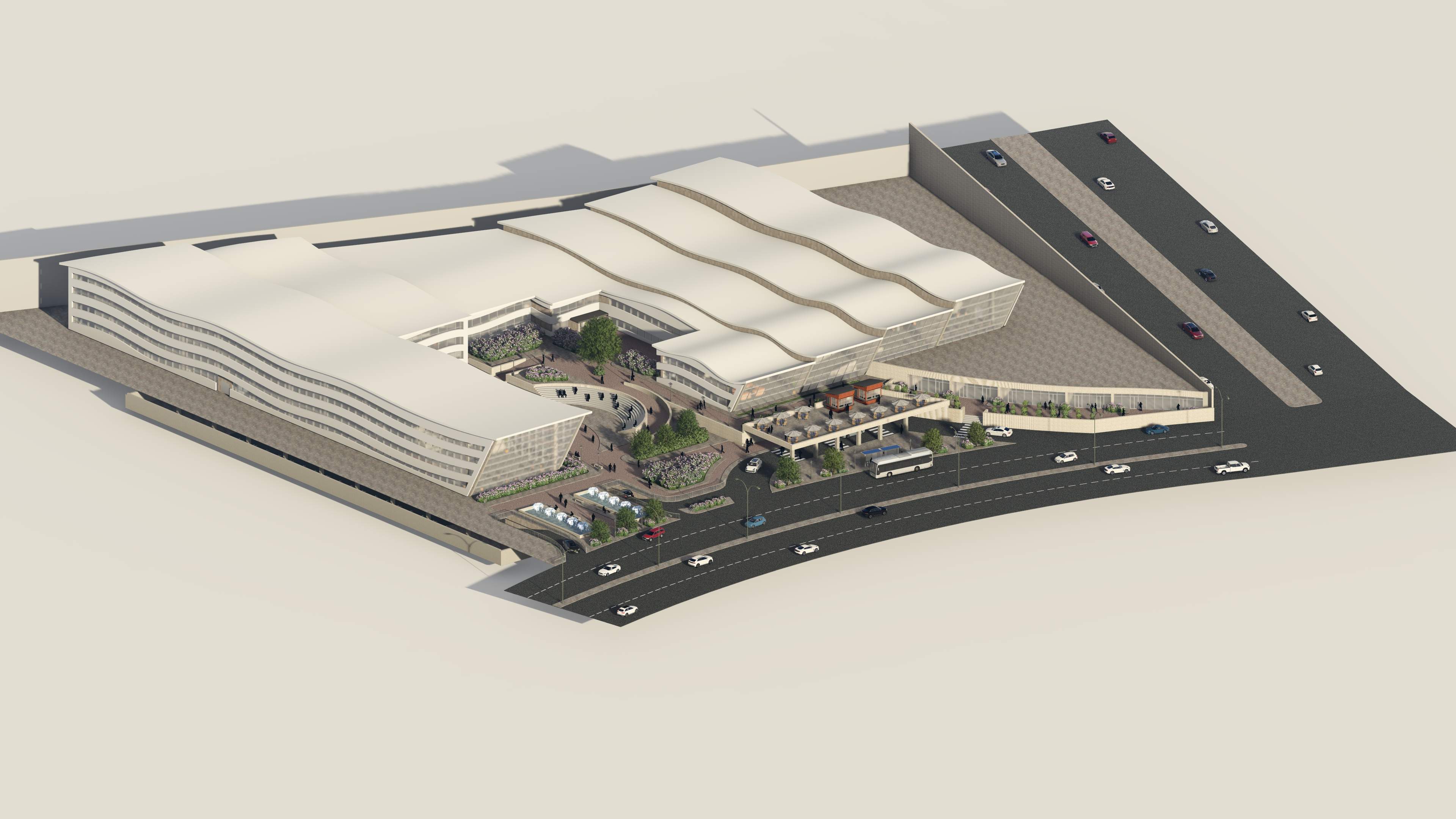
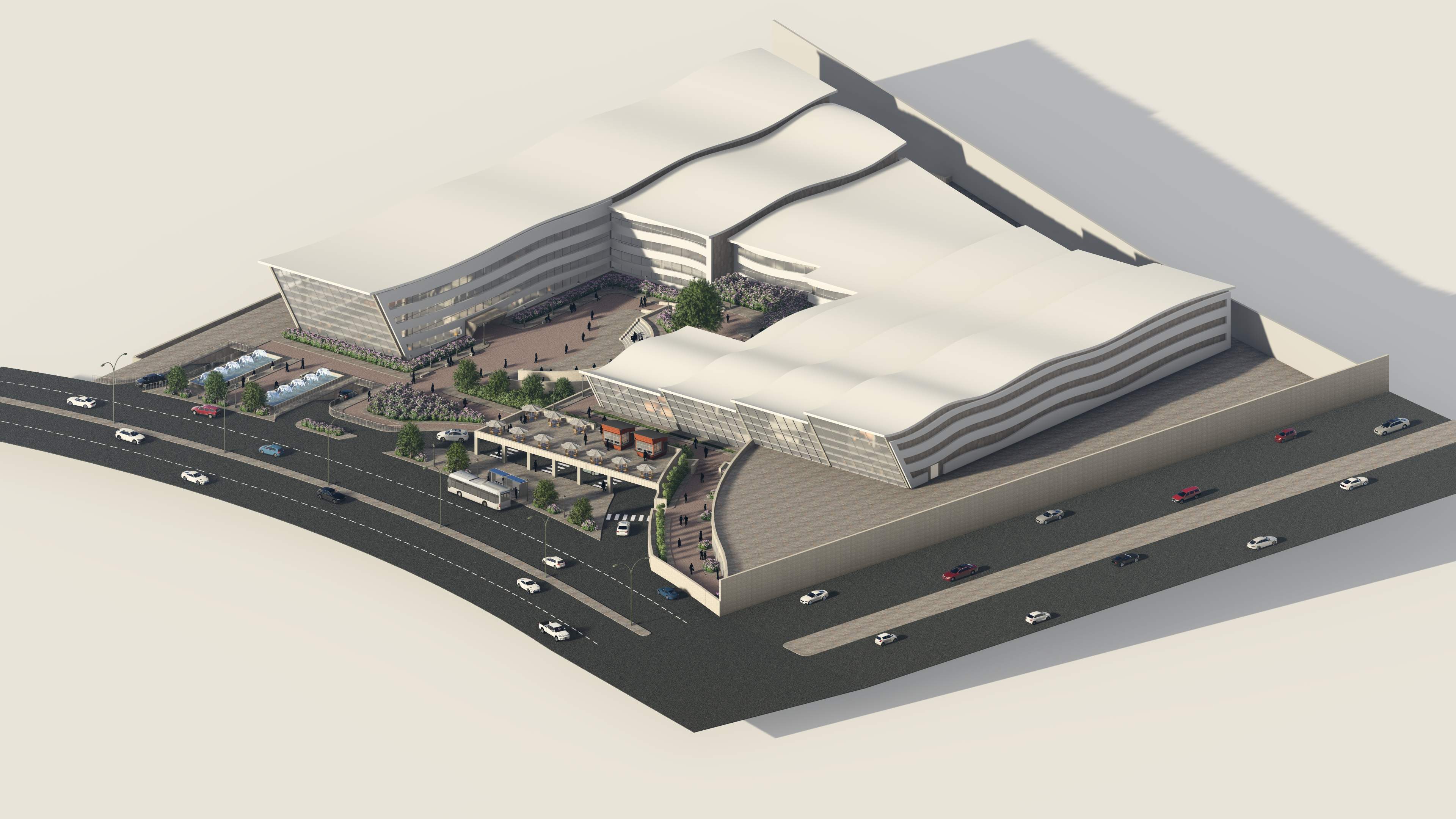
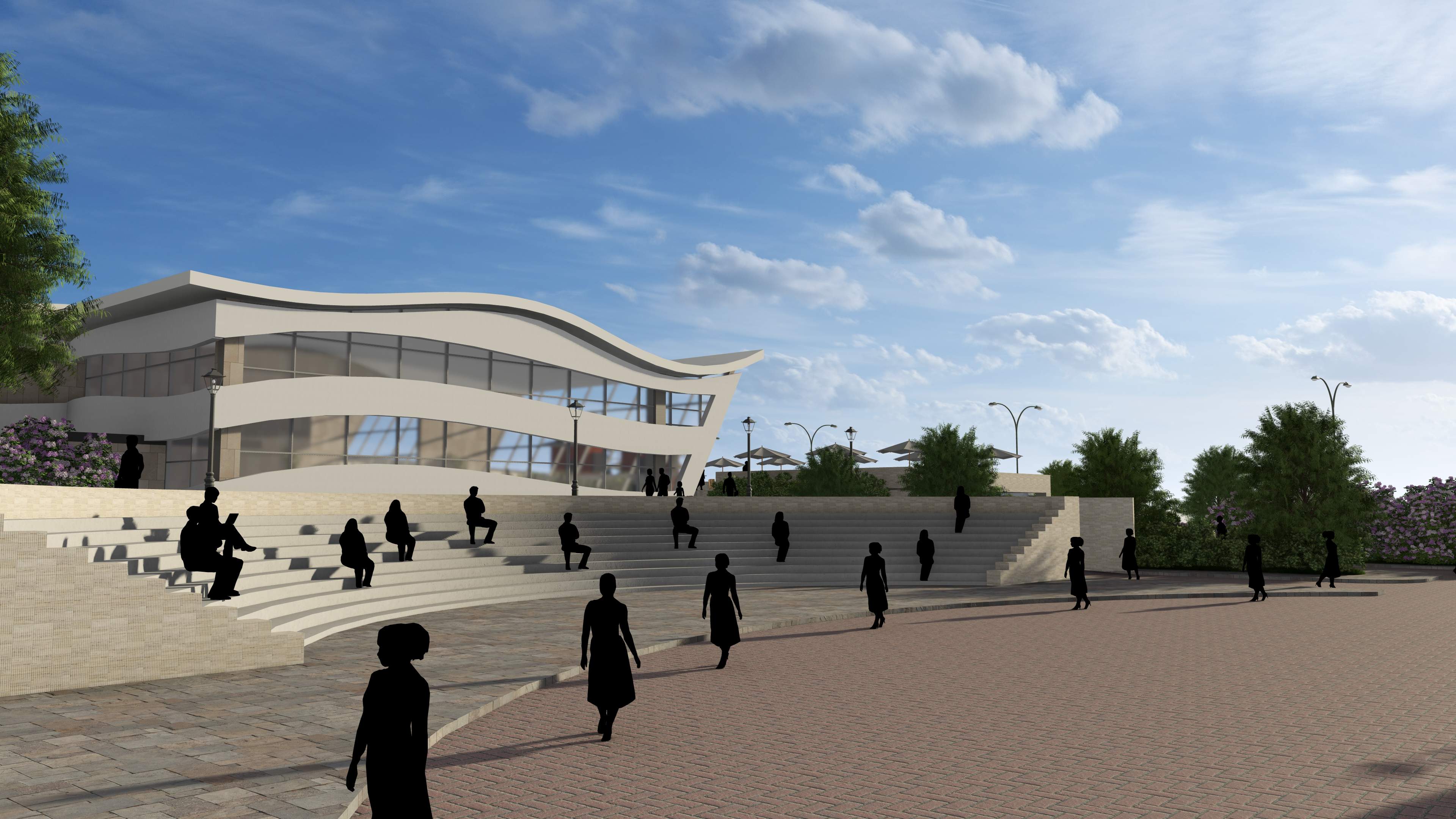
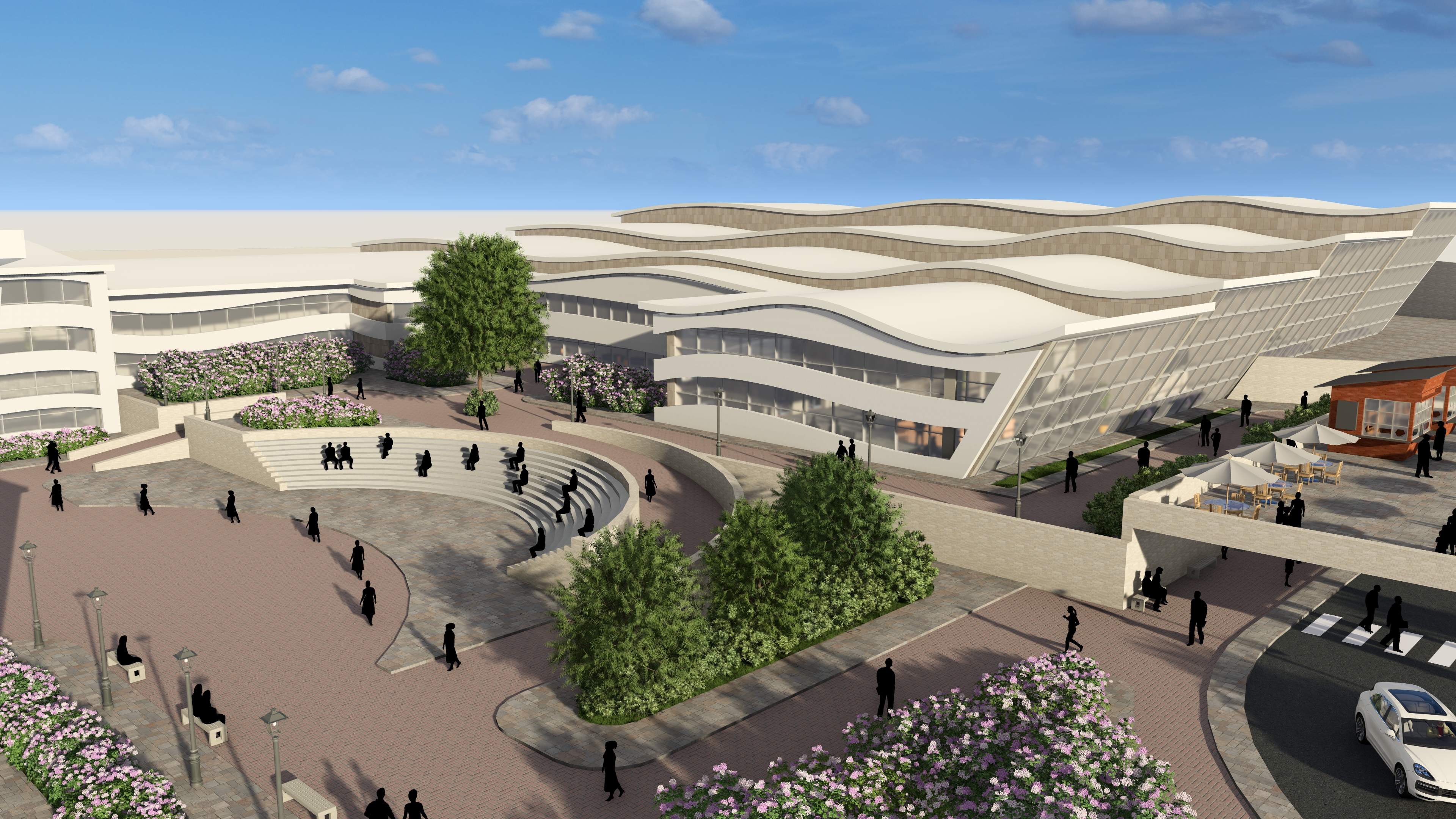
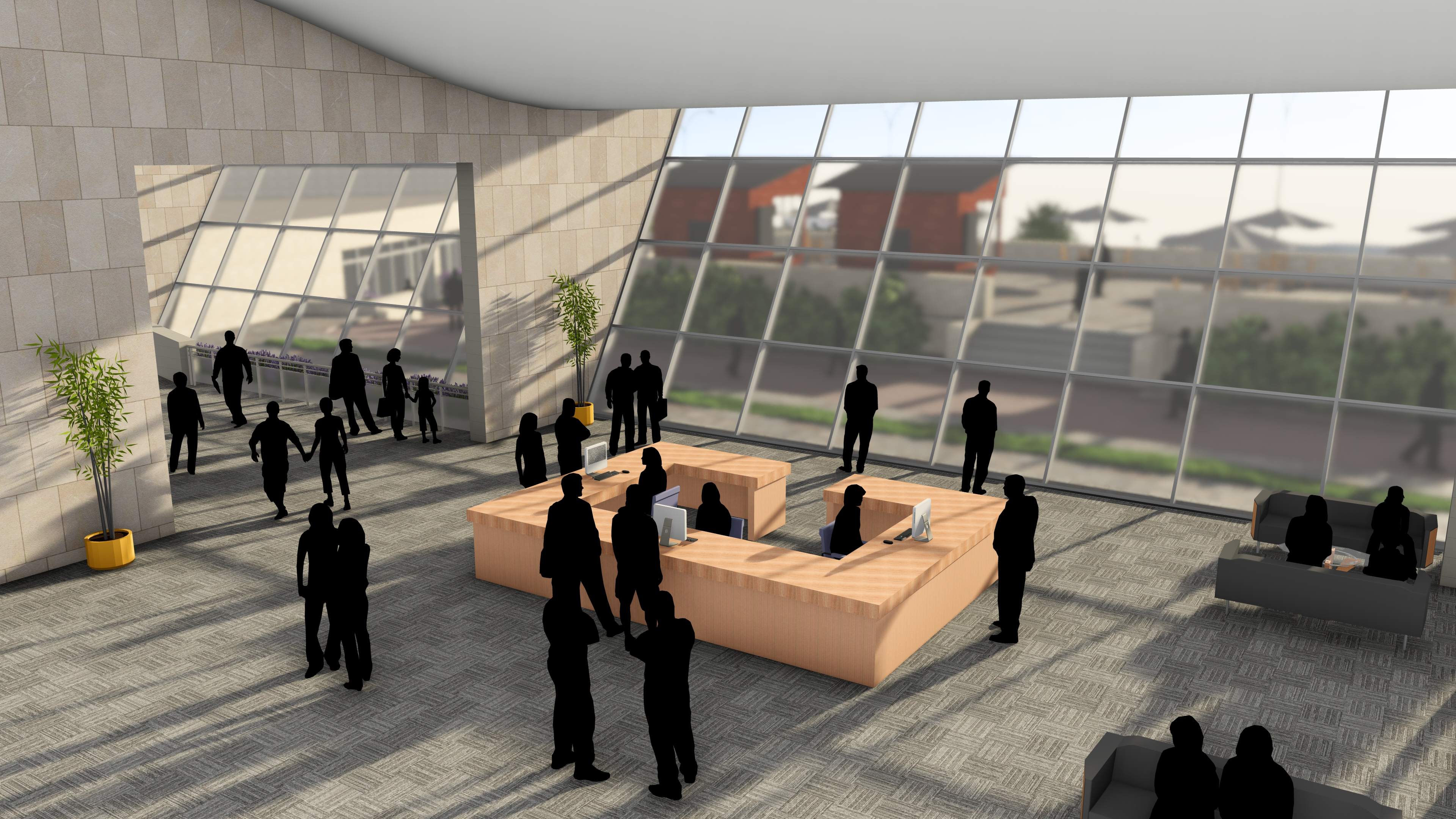
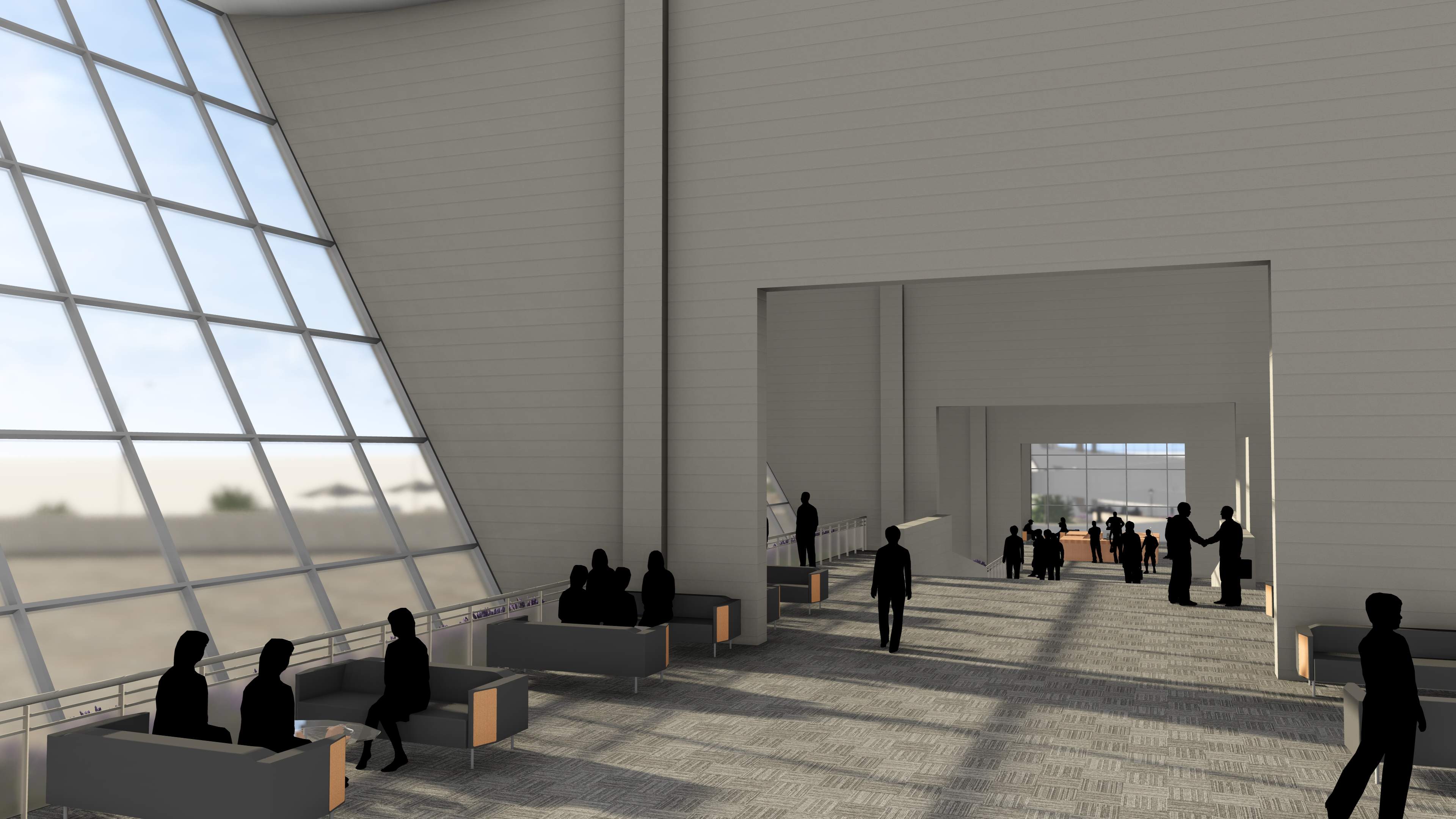
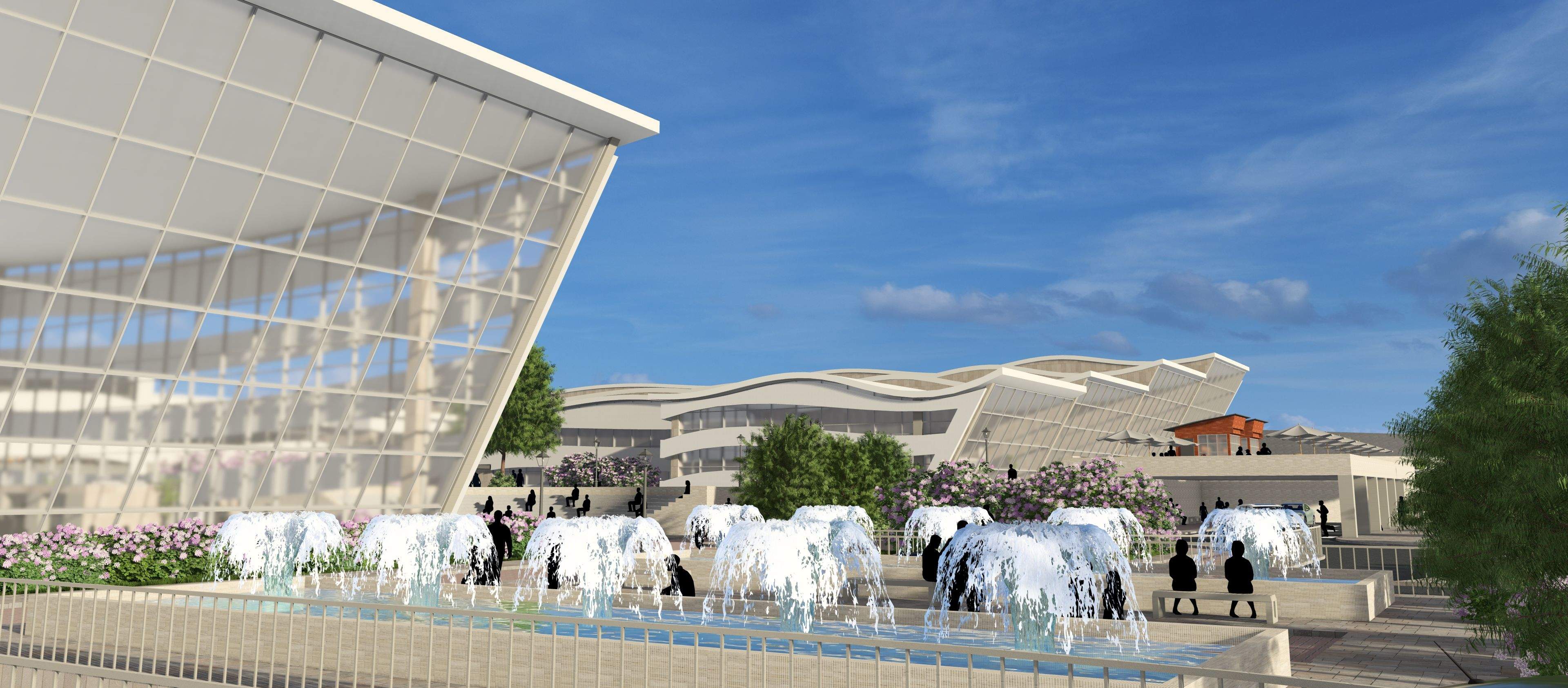
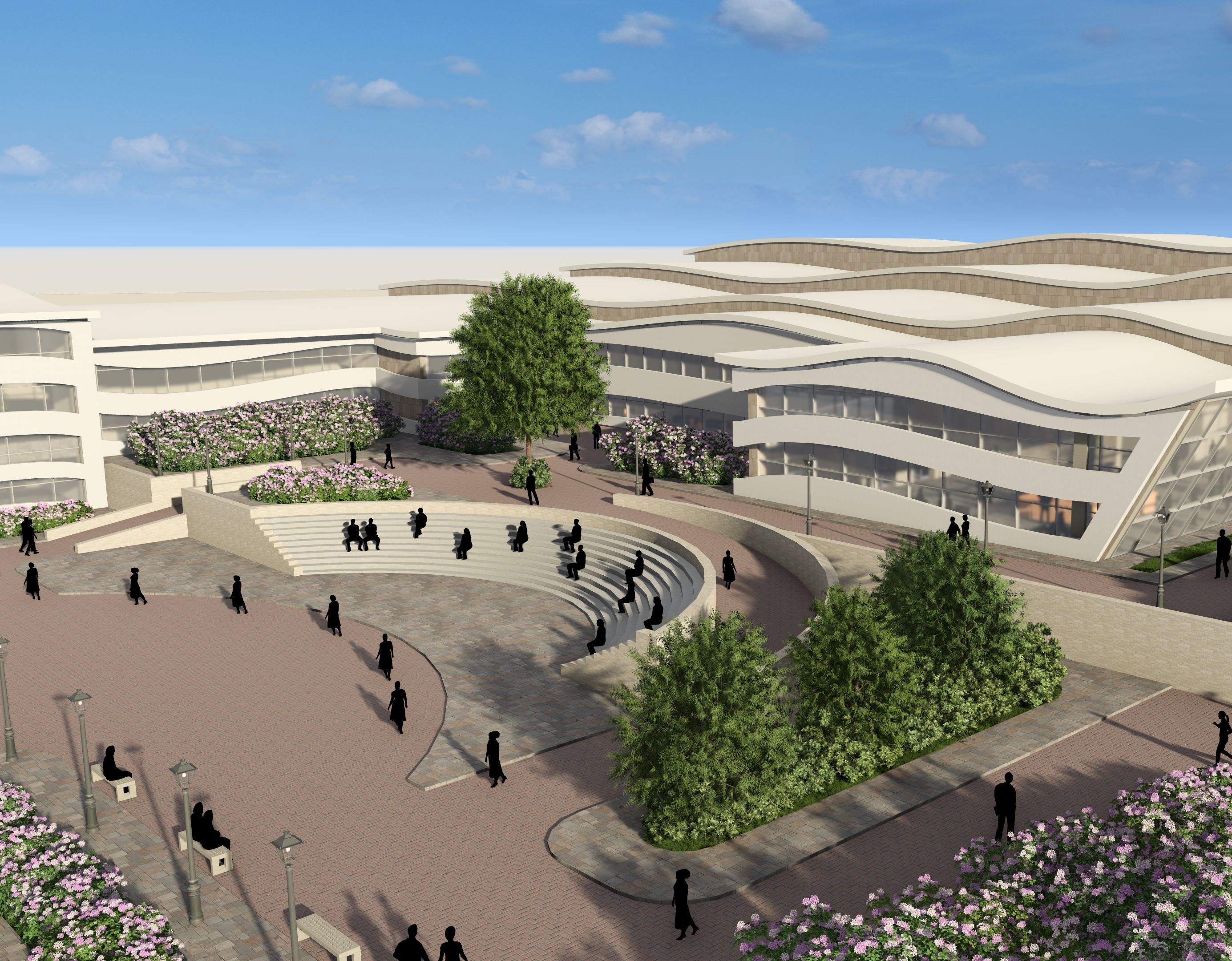
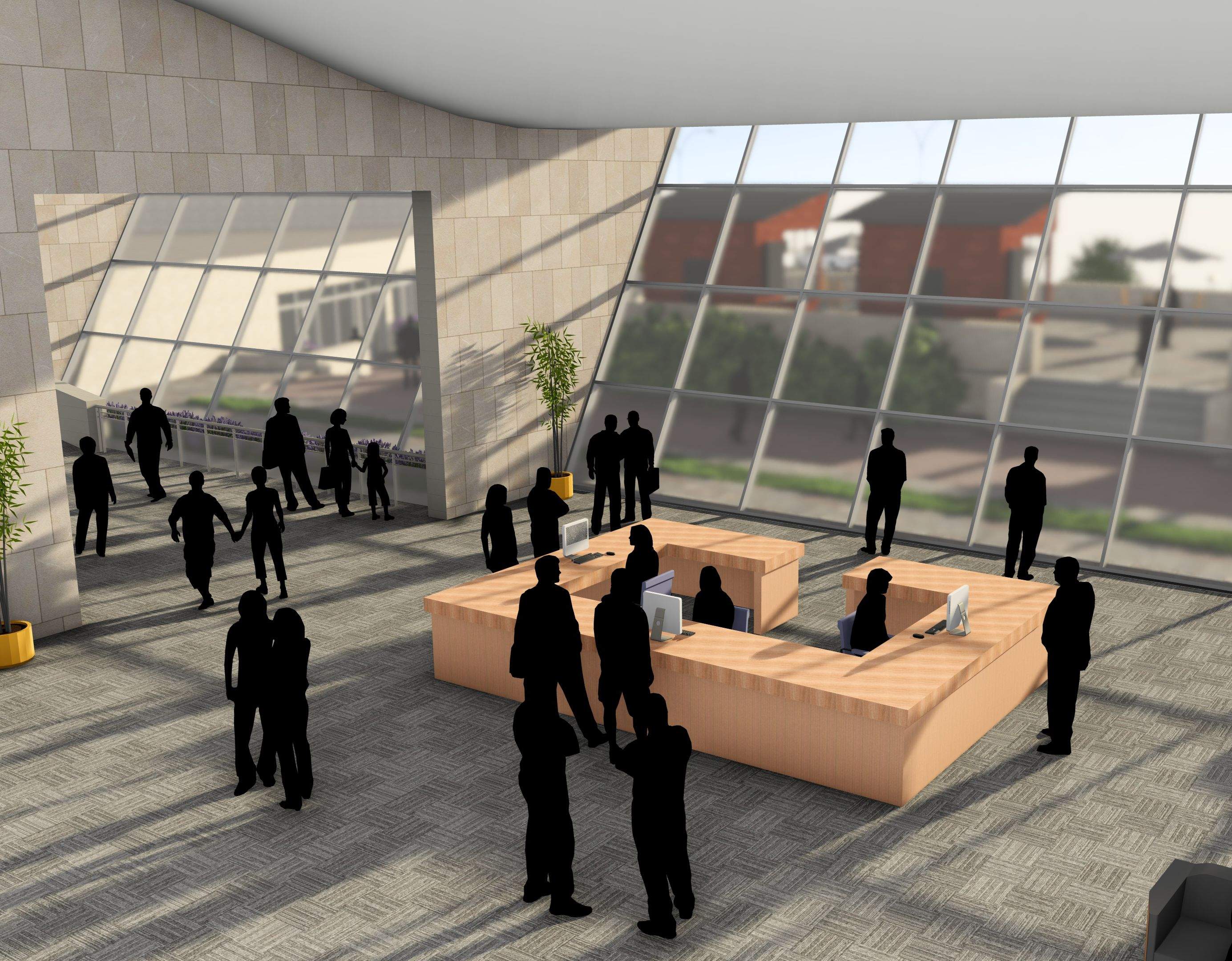
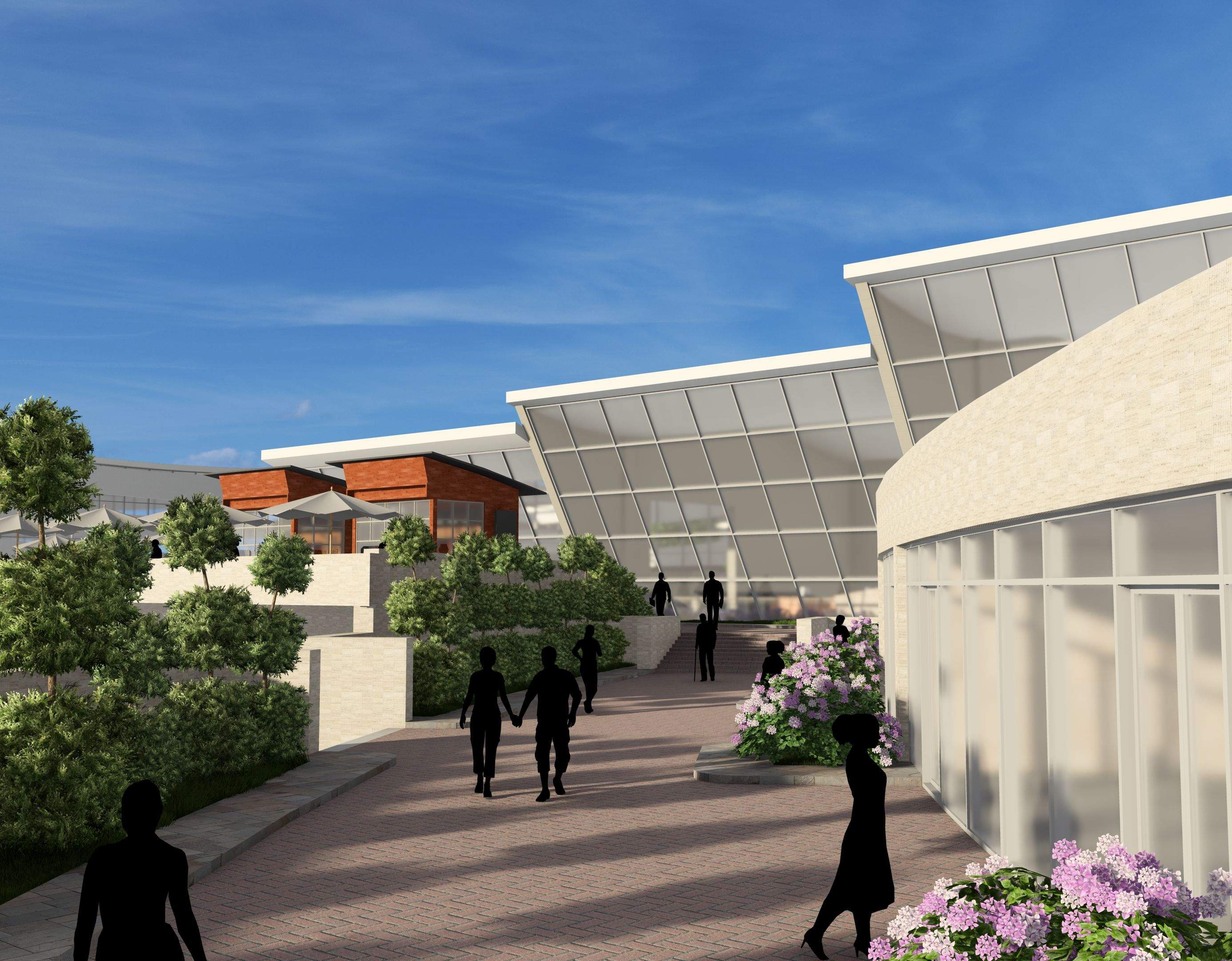
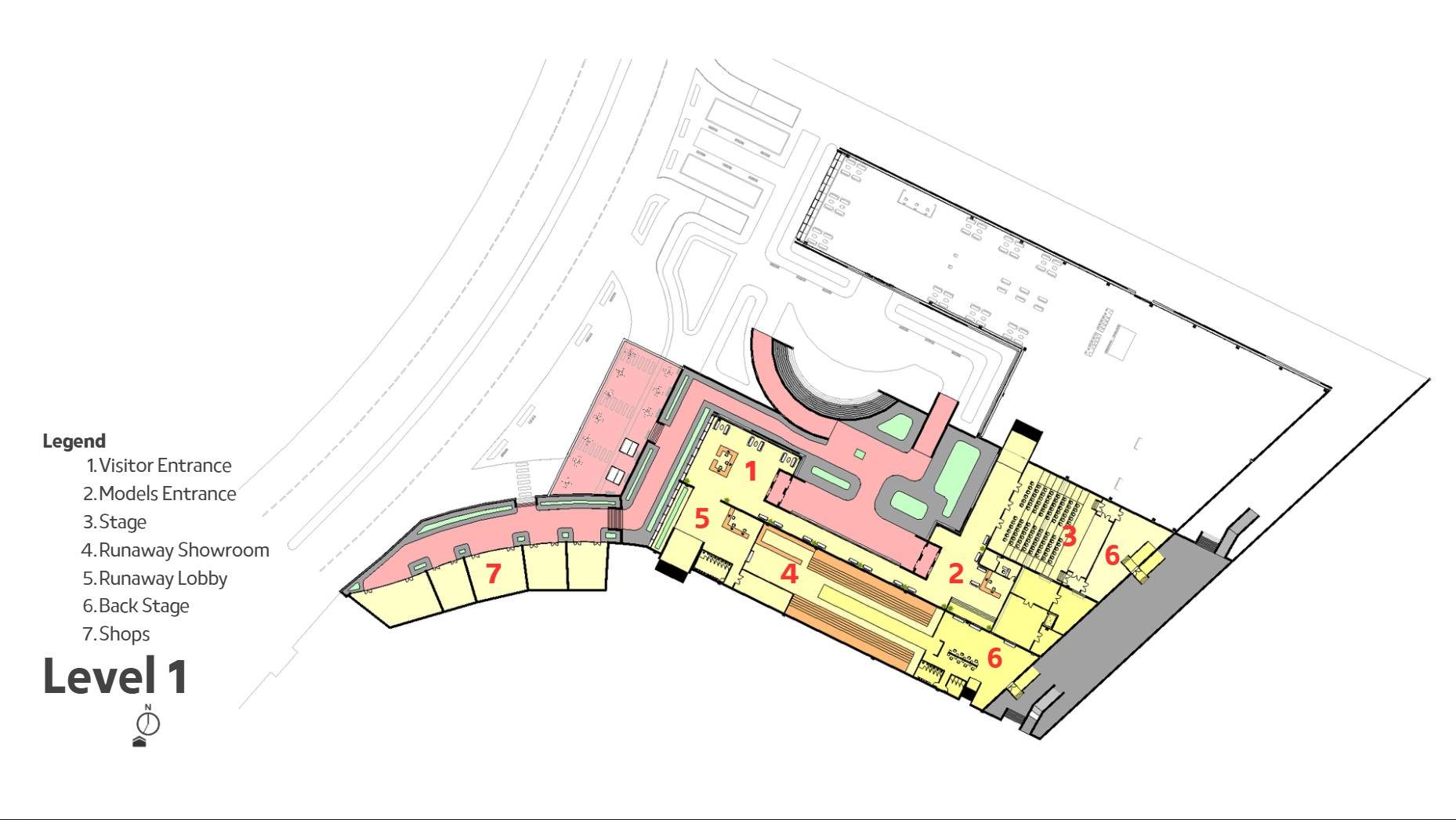
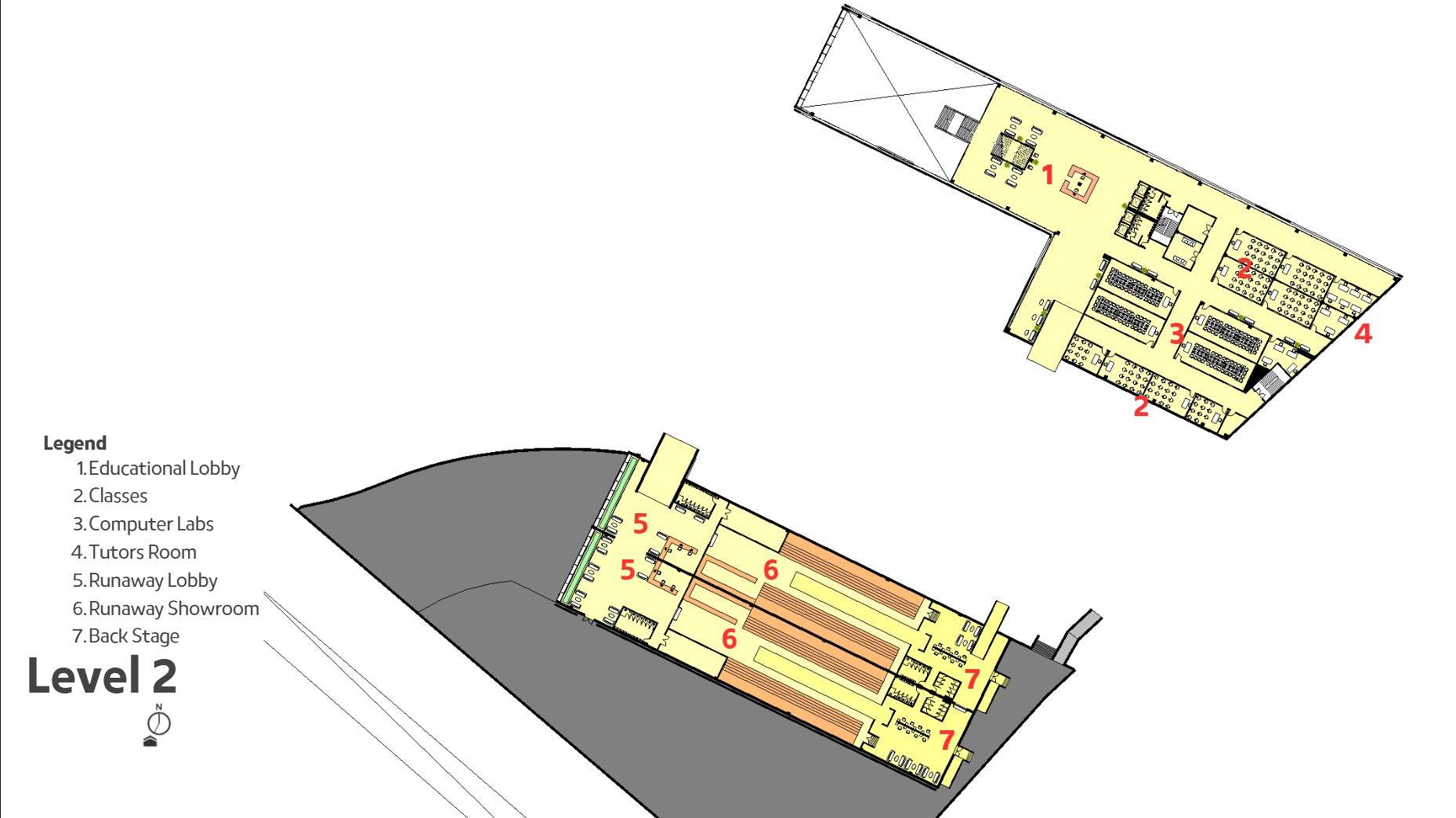
The pavilion is envisioned as a flexible platform capable of hosting runway shows and exhibitions that showcase students’ work. It aims to become a window through which students can express their creativity, while simultaneously providing opportunities to engage with spectators and interact with accomplished designers from the industry.
To guide the design process, four core principles were established as the project’s main pillars:
Multipurpose: The ability to accommodate various types of fashion events and programs.
Fusion: A seamless integration of the academic and commercial dimensions of the fashion industry.
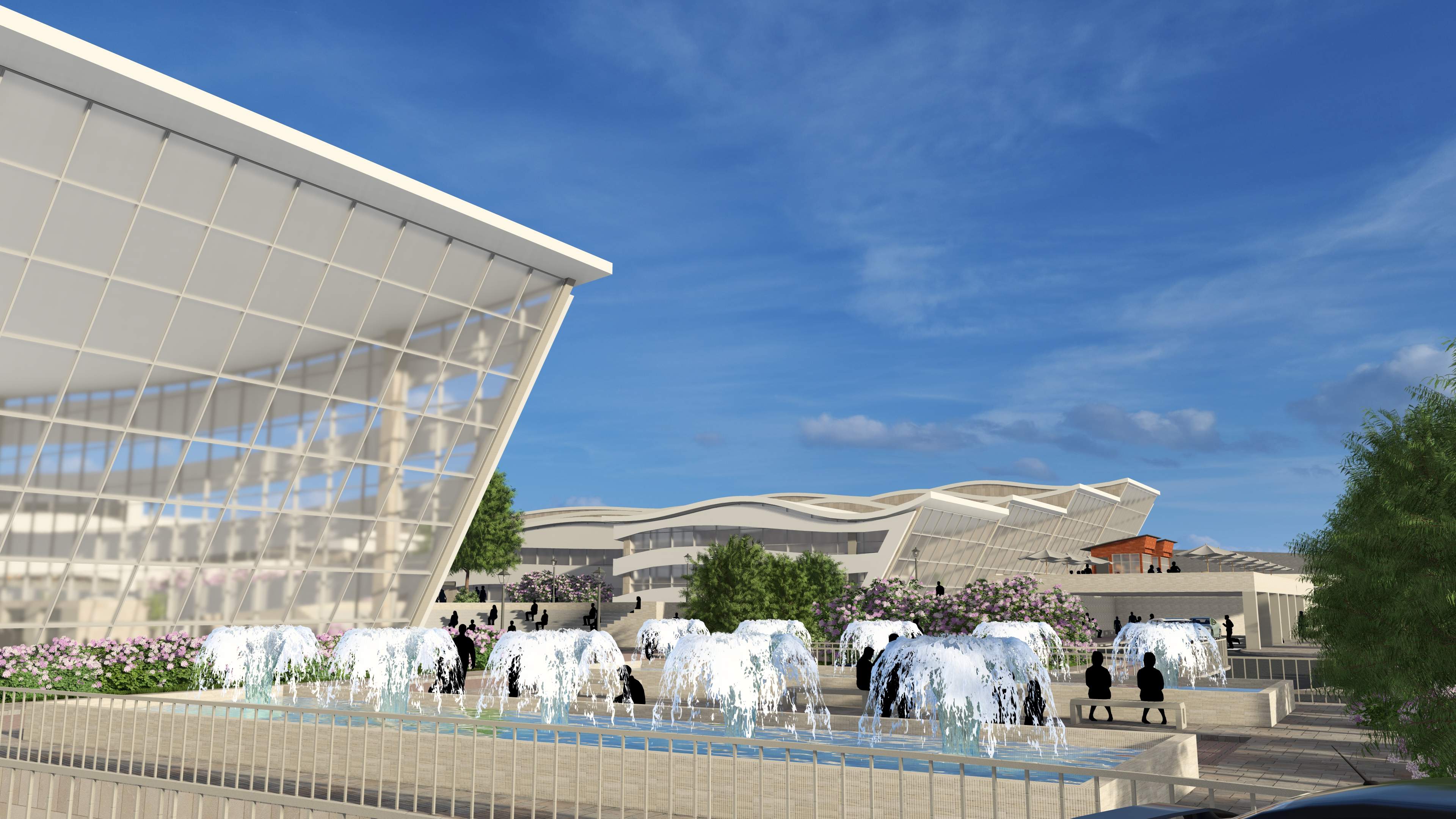
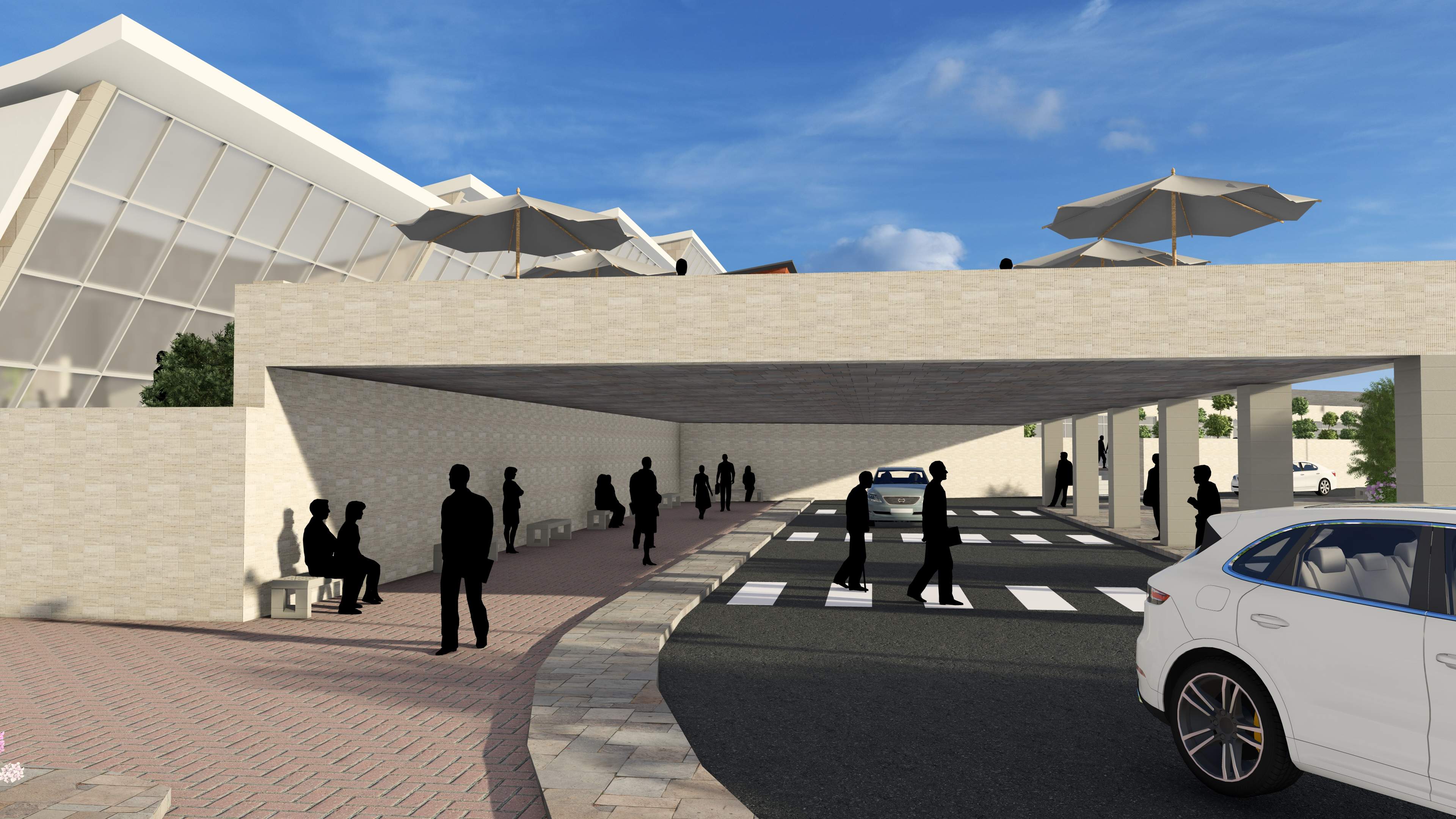
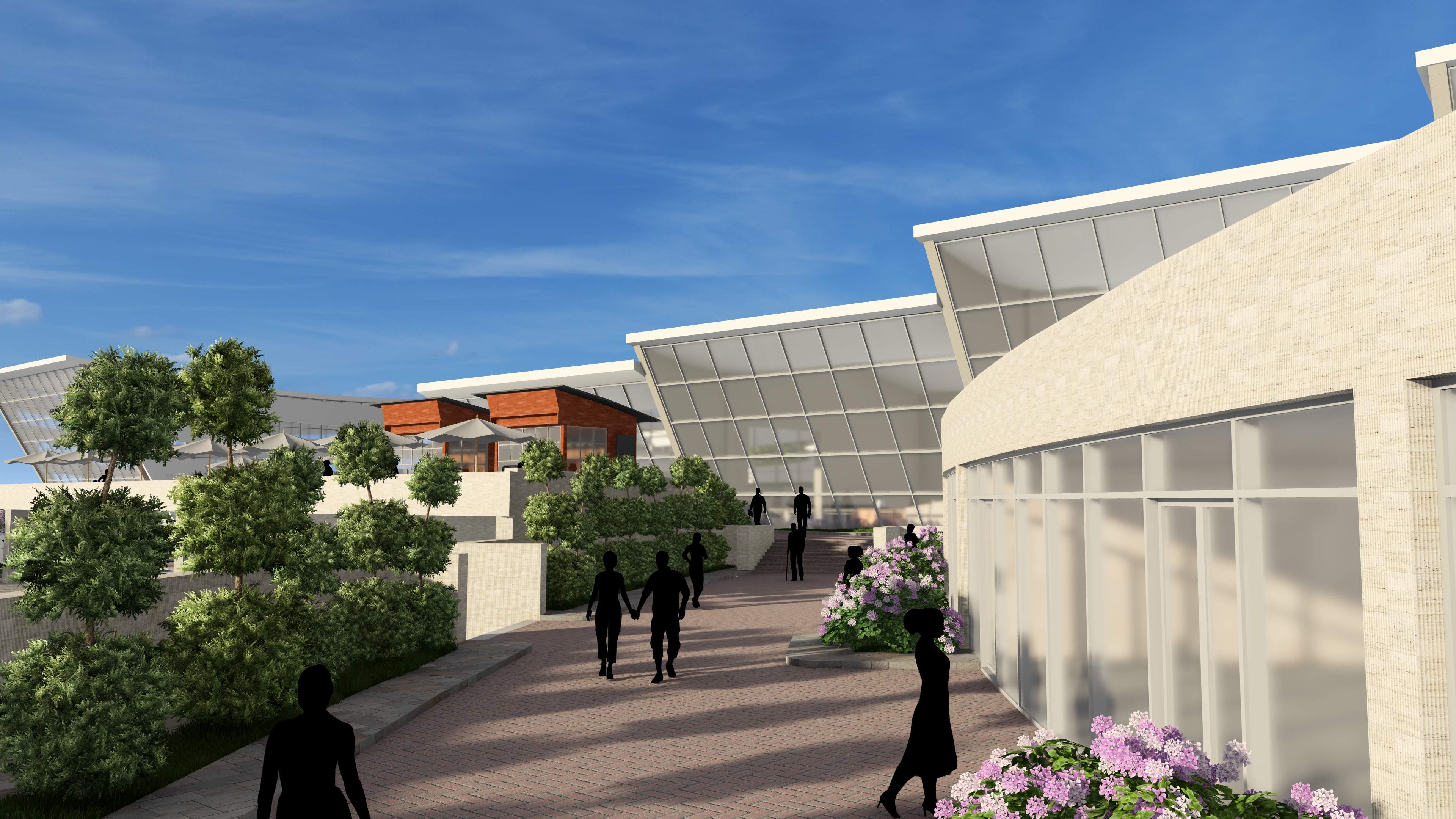
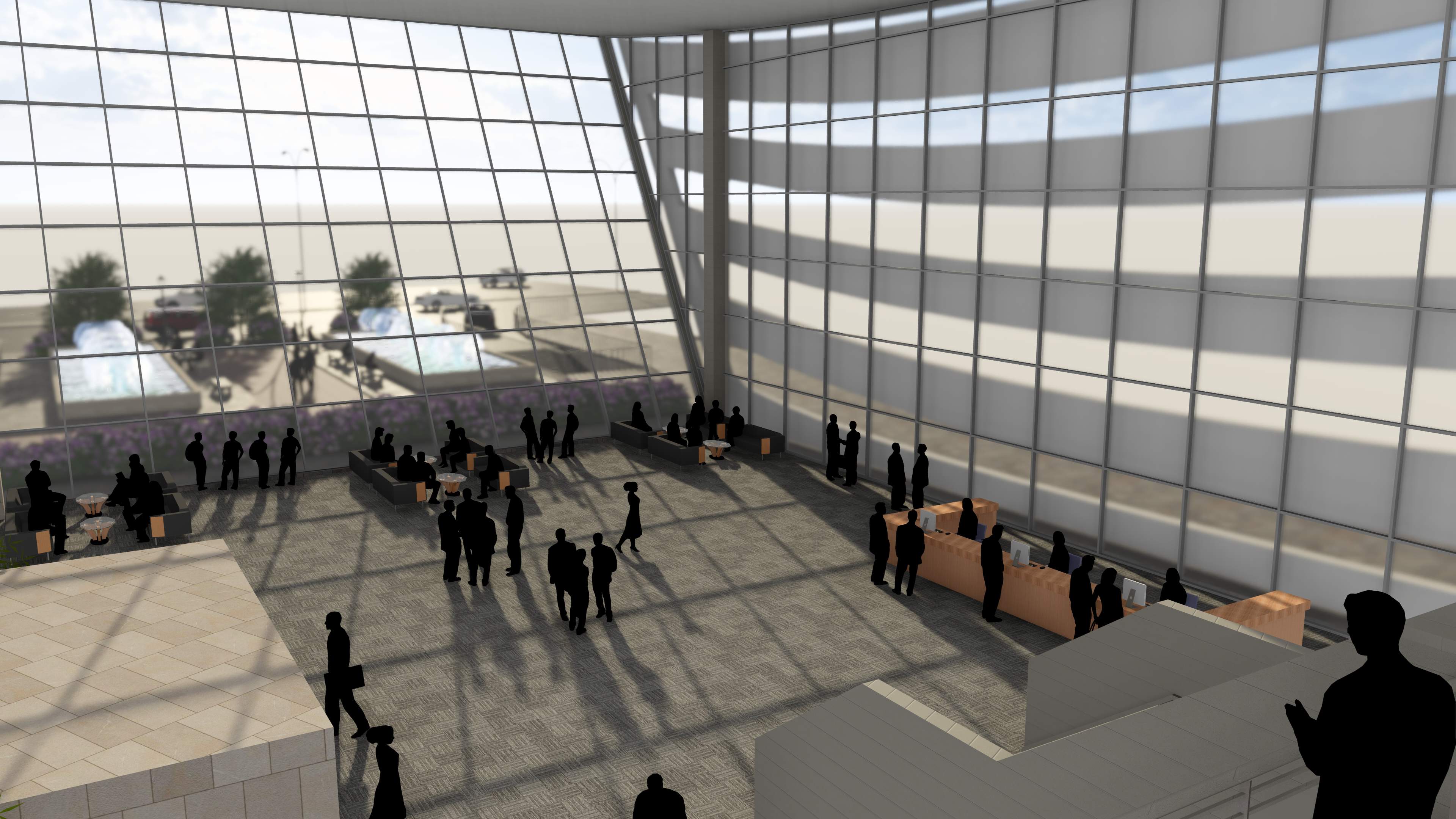
Open: The creation of interactive, accessible, and engaging spaces.
Focus: Emphasizing exposure as a key element in making the design distinctive and impactful.
Project Type
(Exhibit/Interact - Educational - Commercial)
Specifications
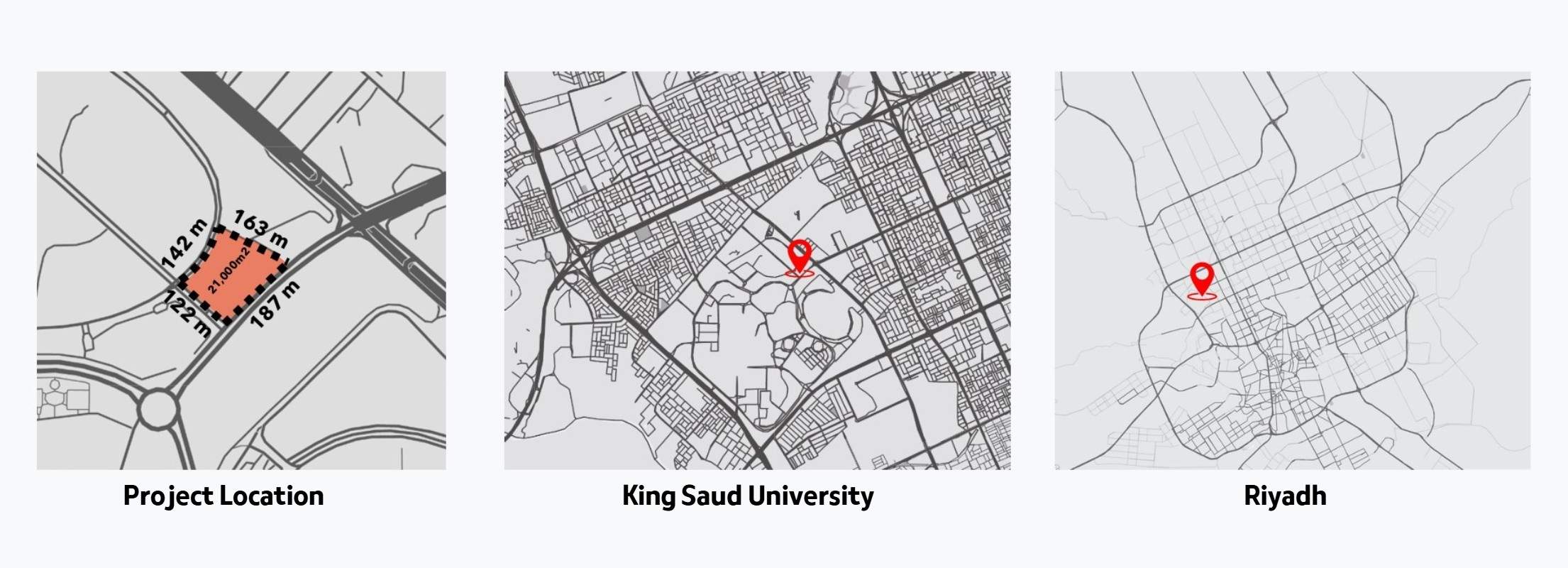
Project Area | 21,000m2 |
Date | 2025 |
Location | King Saud University lands, Riyadh, Saudi Arabia |
Tools used | Revit, Lumion, Canva |
Project Overview
Introduction
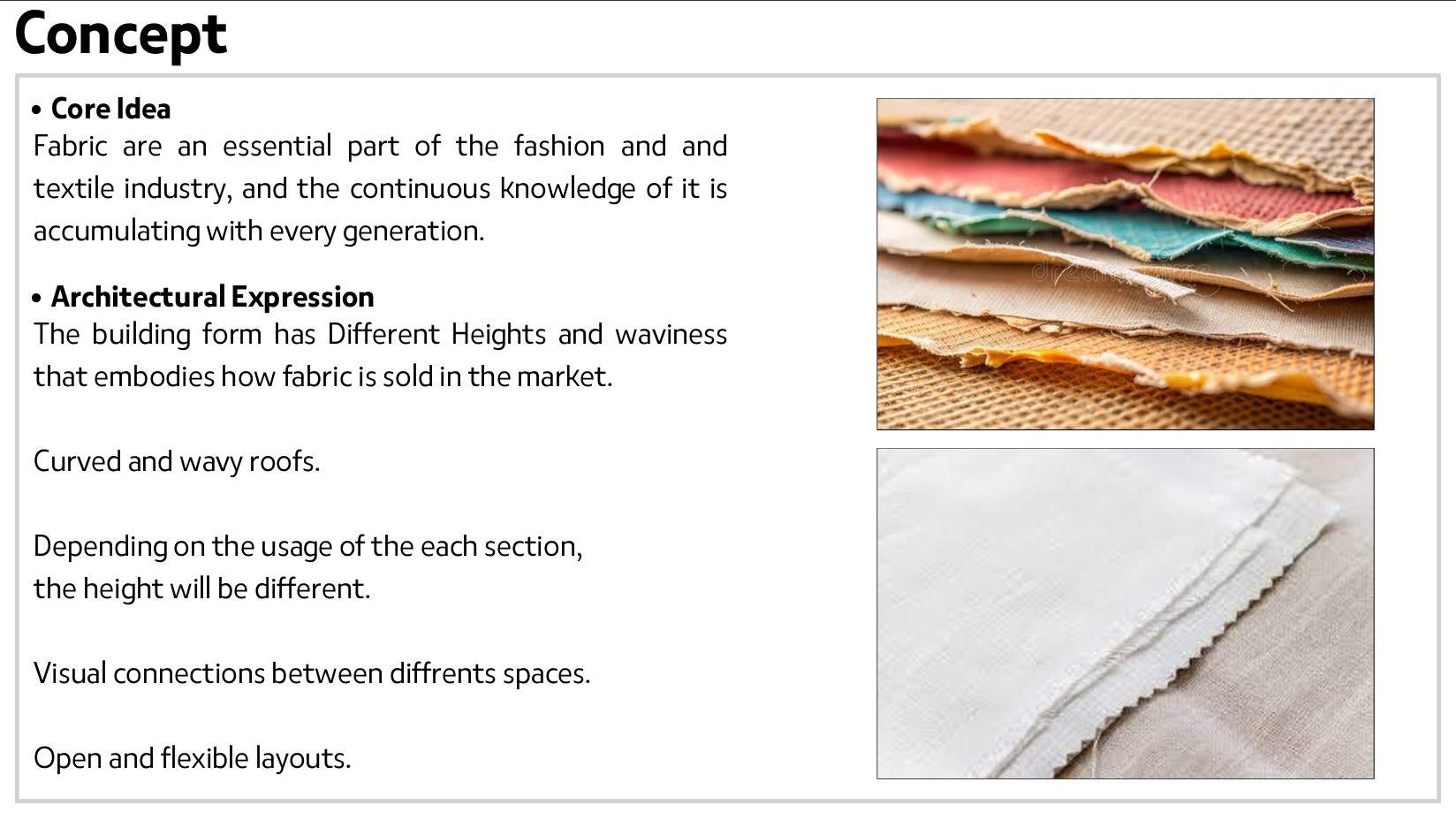
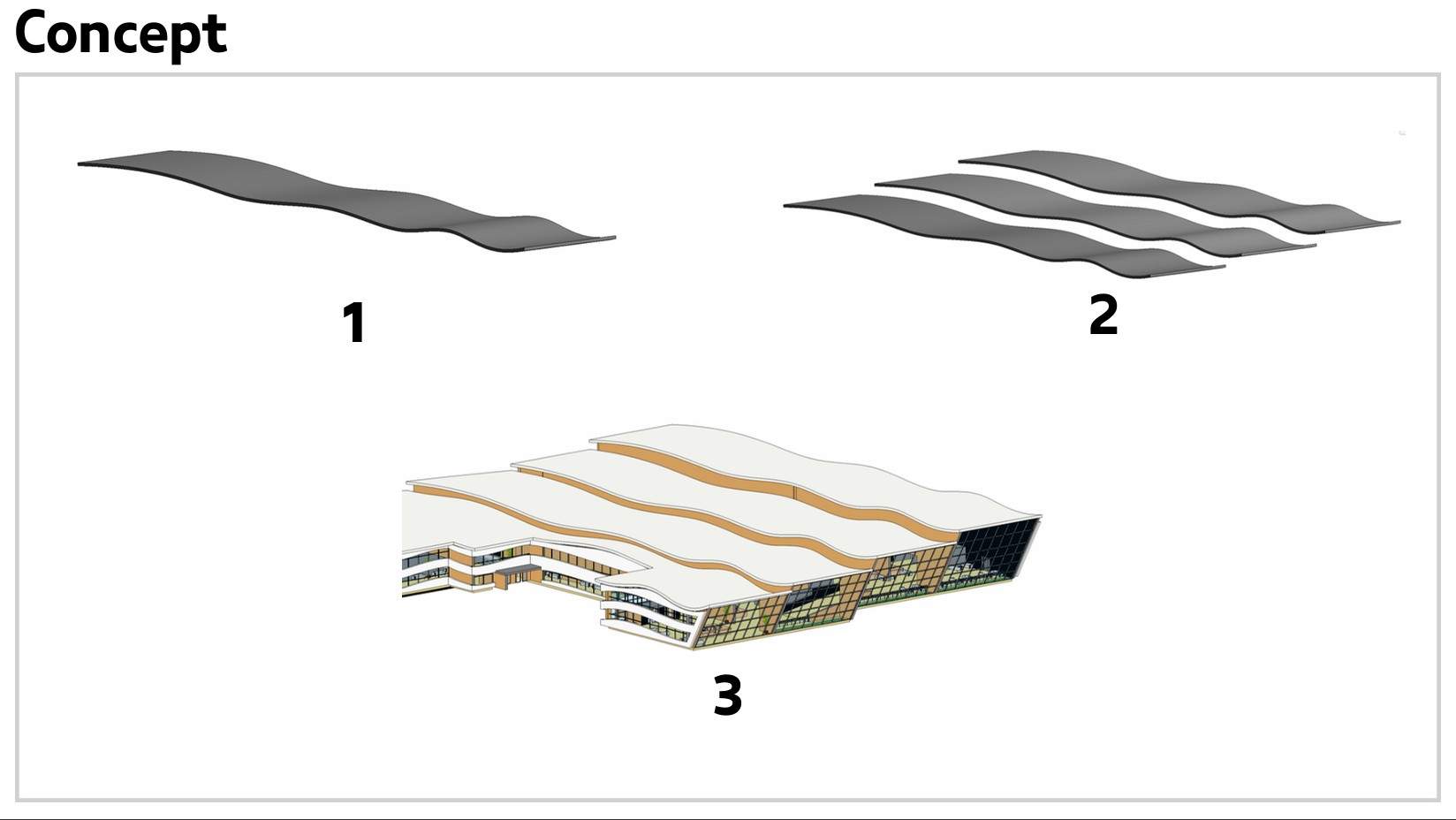
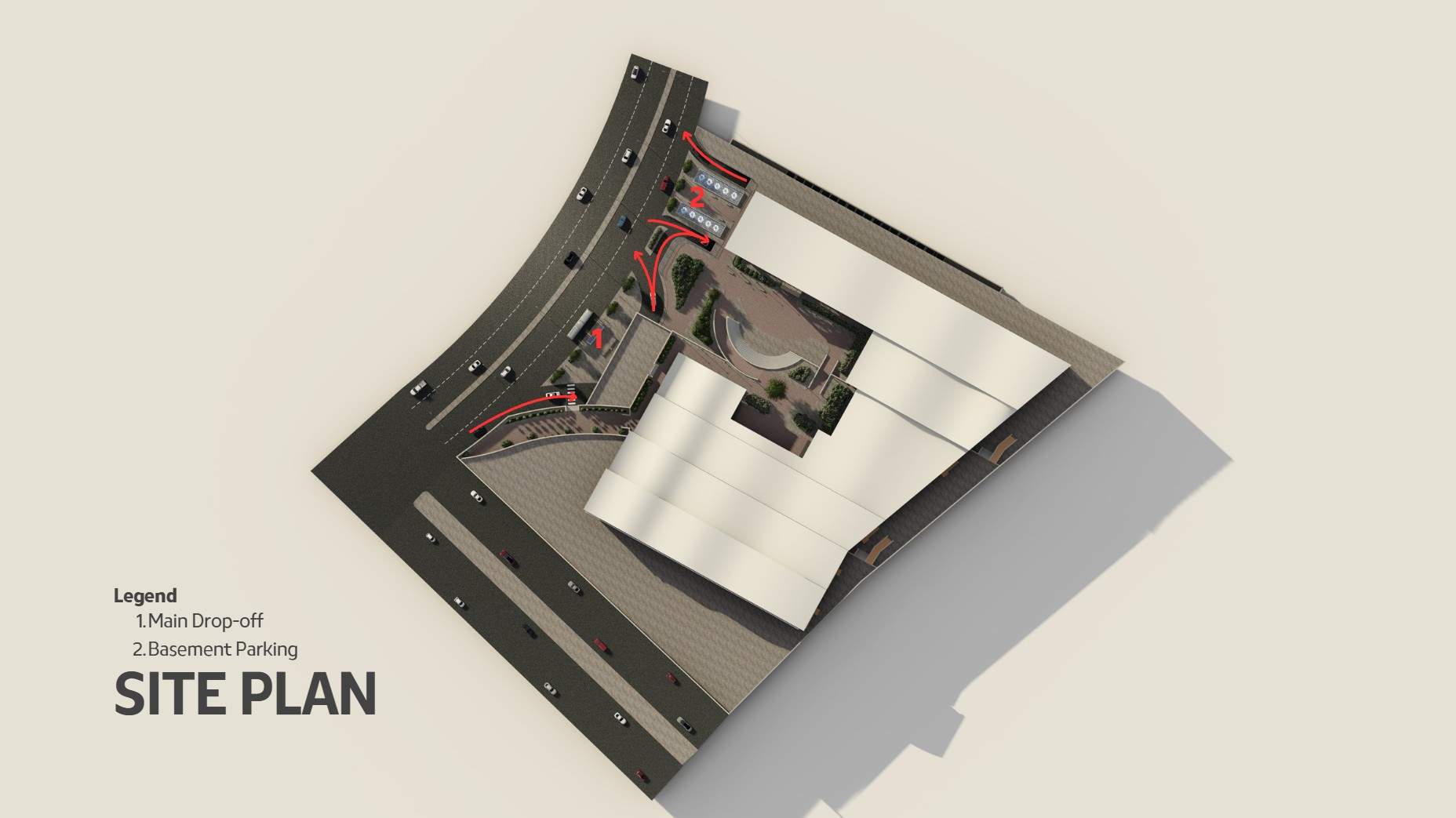
Site Plan
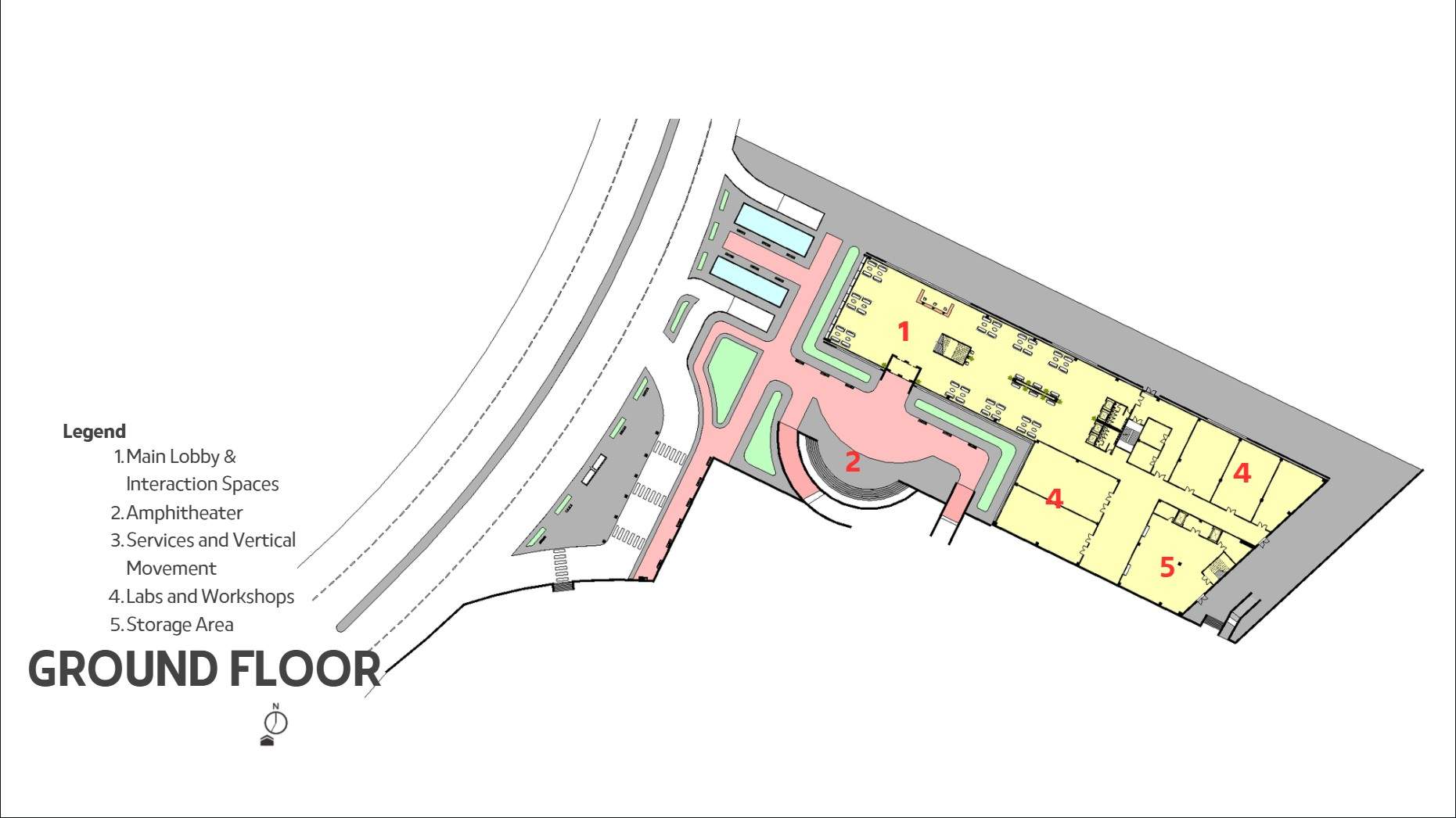
Plans
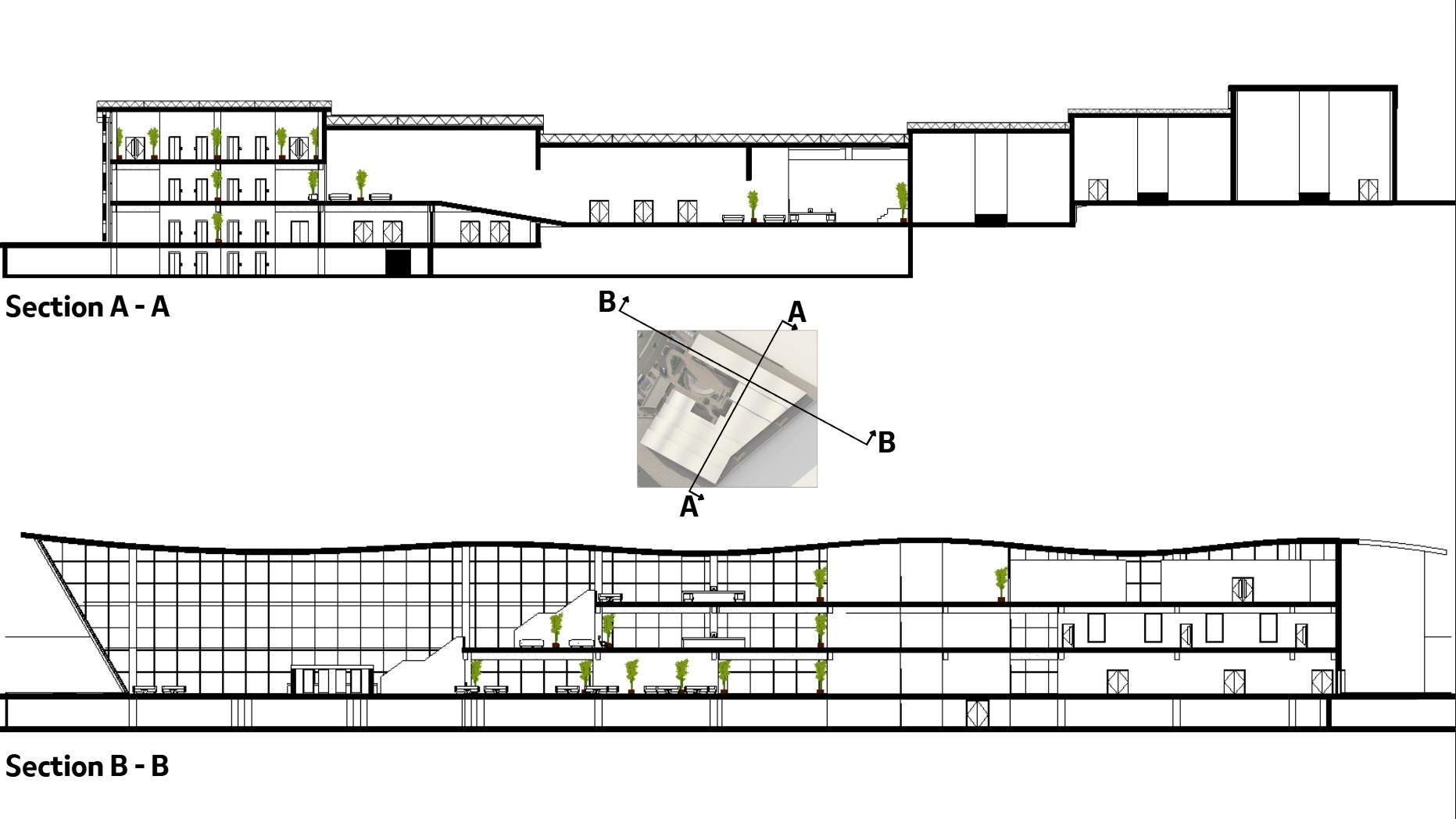
Section
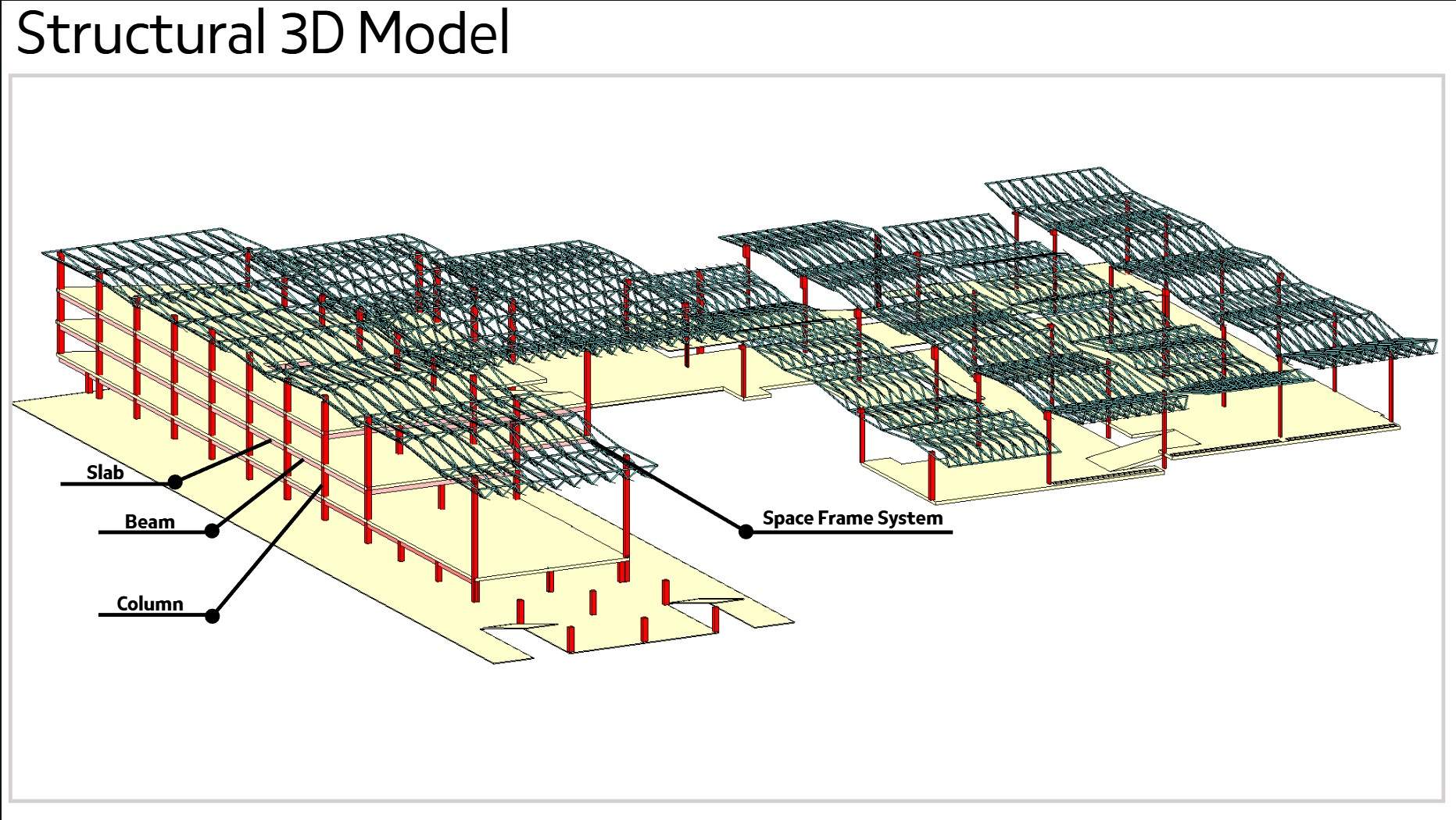
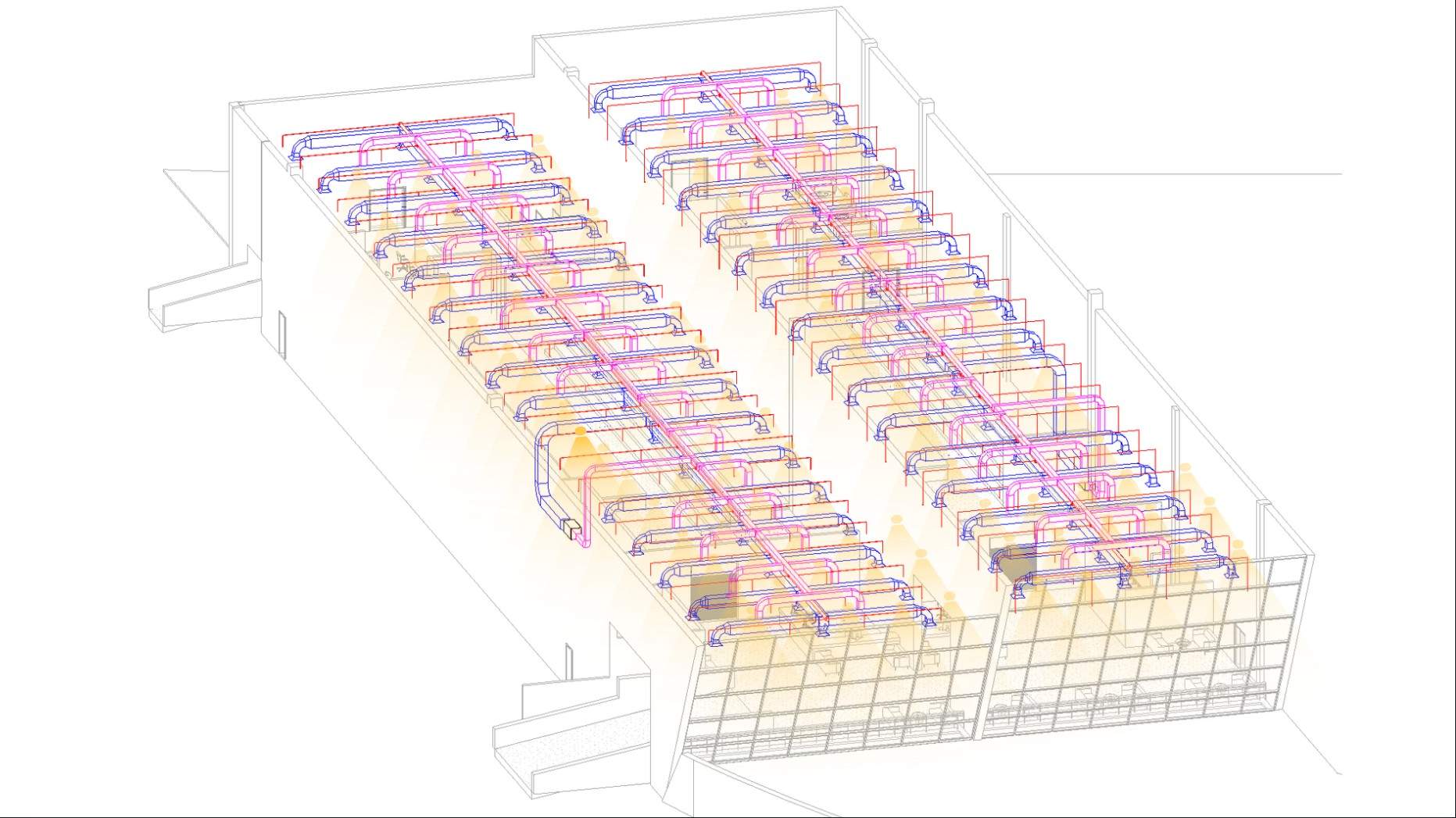
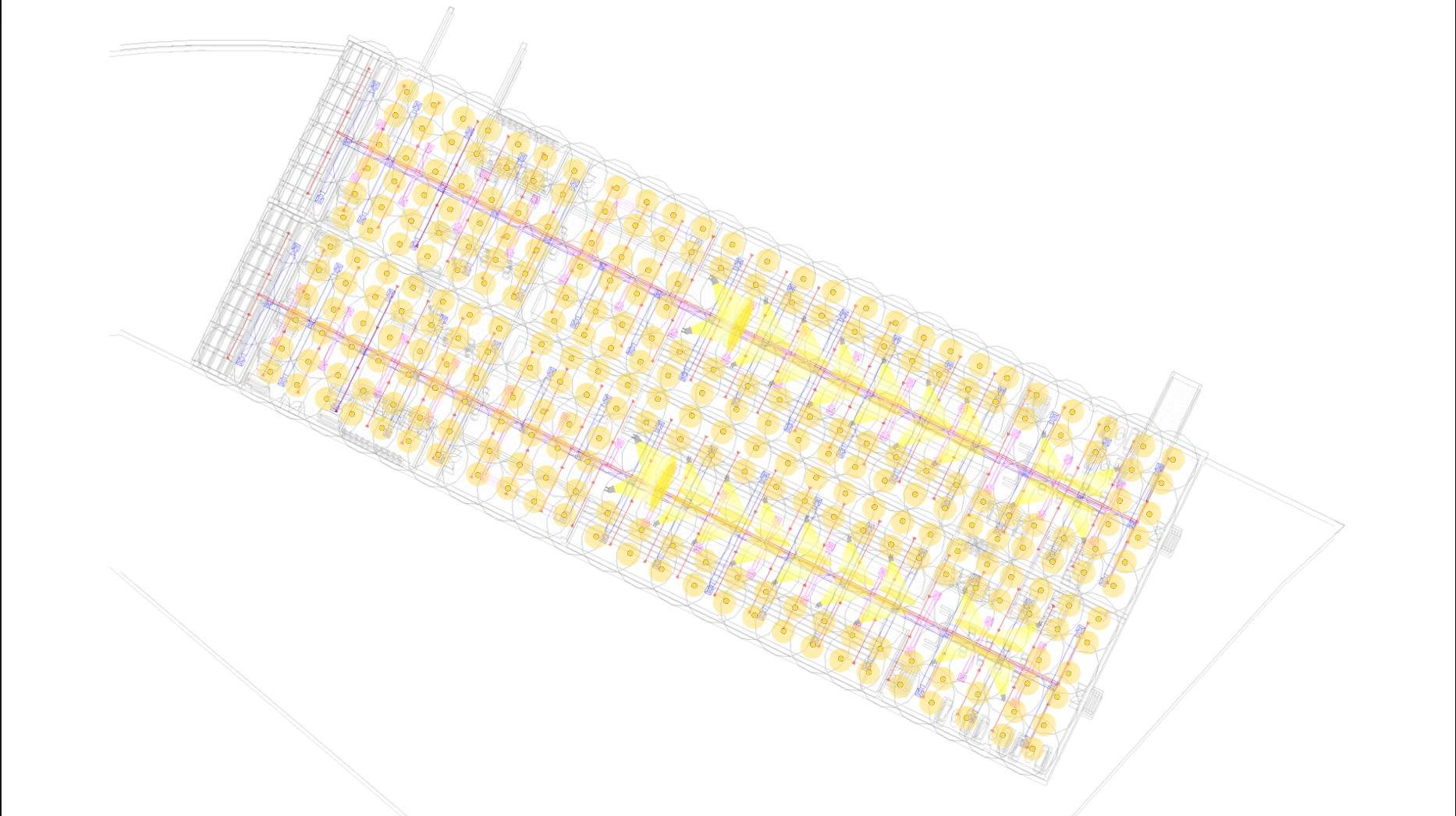
Systems
Results
Design 7 challenged me to think about how architecture can support multiple uses within a single flexible system.
Through this project, I learned how to integrate structural and building systems into the design in a way that supports spatial adaptability and programmatic diversity.
The resulting pavilion acts as a dynamic framework that connects education, industry, and public engagement.